
Is Ginger Ale Good for You? Benefits, Risks, and When It Helps Most
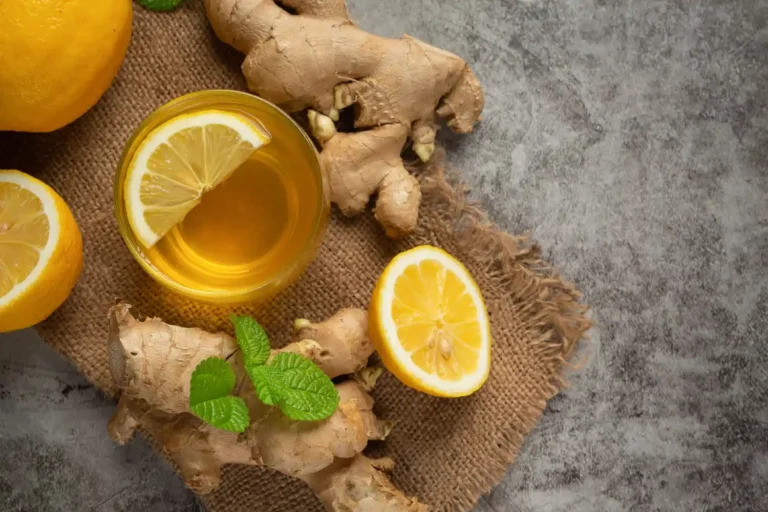
As Dr. Julian Thorne, I frequently discuss home remedies with my patients, weighing traditional wisdom against modern science. One of the most common questions I hear in my clinic, especially during cold and flu season, is “Is ginger ale good for you?”
I recently treated a patient, Sarah, who arrived severely dehydrated after a nasty bout of the stomach flu. She proudly mentioned she had been sipping ginger ale for two days, assuming it was the ultimate medical beverage.
While I validated her effort to soothe her stomach, I had to gently correct her misconception about commercial sodas. We had an eye-opening conversation about what that fizzy drink was actually doing to her body, which inspired this comprehensive guide.
TL;DR SUMMARY
✔ Not very nutritious overall, as commercial brands are mostly sugar and carbonated water.
✔ May help with nausea temporarily due to carbonation, relieving stomach pressure.
✔ Sugar content matters; high-sugar drinks can actually worsen dehydration and diarrhea.
✔ Homemade versions using real ginger root are significantly healthier and more effective.
What Is Ginger Ale, and Is It Good for You?
To answer “What is ginger ale good for you?” we first need to define what the beverage actually is. At its core, commercial ginger ale is a carbonated soft drink flavored with ginger extract or artificial ginger flavoring.
It is crucial to understand that the most popular brands on supermarket shelves contain very little actual ginger root. Instead, they rely heavily on high fructose corn syrup or cane sugar to create a sweet, highly palatable profile.
According to the Mayo Clinic, consuming sugary beverages regularly is linked to weight gain, type 2 diabetes, and cardiovascular disease. Therefore, when viewed purely from a nutritional standpoint, commercial ginger ale is not considered a healthy dietary choice.
Why Do People Drink Ginger Ale When Sick?

Many of us grew up with a parent handing us a glass of flat ginger ale the moment we felt unwell. So, why is ginger ale good for you when you’re sick in the eyes of the general public?
The answer lies in a mix of cultural tradition and the genuine, albeit temporary, physical relief it can provide. The carbonation in the beverage can induce burping, which effectively relieves built-up gas and pressure in the stomach.
Additionally, the mere perception that you are taking something to soothe your stomach can trigger a powerful placebo effect. If you believe that ginger ale is good for you when sick, your anxiety about the illness may decrease, making you feel marginally better.
Is Ginger Ale Actually Good for You When Sick?
Despite its comforting reputation, we must ask, is ginger ale actually good for you when sick? From a medical perspective, the answer is largely no, especially if you are dealing with a severe illness.
When you ask if ginger ale is good for you after throwing up or if it’s good for you when you have a cold, you must consider the sugar content. The Cleveland Clinic notes that sugary drinks can actually draw water into your gut, worsening diarrhea and dehydration.
Furthermore, high amounts of processed sugar can temporarily suppress your immune system’s ability to fight off infections. While the fizz might make your stomach feel slightly better for a few minutes, the overall physiological impact is detrimental to your recovery process.
Does Ginger Ale Help with Stomach Issues?
Patients frequently ask me, does ginger ale help with gastroenteritis? Gastroenteritis involves the inflammation of the stomach and intestines, usually caused by a viral or bacterial infection.
While some wonder about the stomach, the truth is that the carbonation can be a double-edged sword. For some, does ginger ale cause bloating? It is a very real concern; the trapped gas from the bubbles can cause painful distension.
On the other hand, does it cause constipation? Not typically, but the lack of dietary fiber and the high sugar content do nothing to promote healthy bowel movements. For genuine stomach relief, natural ginger root steeped in hot water is vastly superior.
Ginger Ale for Nausea, Vomiting, and Diarrhea
When treating gastrointestinal distress, we often recommend the BRAT diet (bananas, rice, applesauce, and toast) for its bland, binding qualities. People naturally wonder if they can pair this with ginger ale.
Is it good for you when you have diarrhea? Definitely not. The high osmolarity of sugary sodas can exacerbate loose stools, leading to further fluid loss.
If you are asking after throwing up, a much better alternative is an oral rehydration solution. Products containing balanced electrolytes and minimal sugar will rehydrate your body much more effectively than any commercial soda.
Is Ginger Ale Good for You During Pregnancy?
Morning sickness is a challenging reality for many expecting mothers, leading them to seek safe, natural remedies. So, is ginger ale good for you when pregnant?
While real ginger is a proven, safe antiemetic for pregnant women, commercial products often lack enough active gingerol to make a clinical difference. Is ginger ale good for you while pregnant if it’s just sugar and fizz?
I caution my pregnant patients against relying on it, as excessive sugar intake can increase the risk of gestational diabetes. Instead, I recommend ginger candies made with real extract or homemade ginger tea for safe, effective nausea relief.
Diet, Zero Sugar, and Sugar-Free Ginger Ale: Is It Healthier?
With the rising awareness of sugar’s negative health impacts, many turn to diet options. Is diet ginger ale good for you, or is sugar-free good for you?
Beverages labeled as “zero sugar” typically replace high fructose corn syrup with artificial sweeteners like aspartame, sucralose, or stevia. While asking if zero-sugar is good for you, you must weigh the pros and cons.
Yes, you avoid the blood sugar spike and empty calories of regular soda. However, some studies suggest artificial sweeteners can negatively alter gut microbiome health, meaning it is still best consumed in moderation rather than as a daily health tonic.
Canada Dry vs Schweppes Ginger Ale
Many patients have strong brand loyalties and will specifically ask, “Is Canada Dry Ginger Ale good for you?” “Or conversely, is Schweppes good for you?
When examining the labels, is Canada Dry Ginger Ale Zero Sugar good for you compared to others? The reality is that both major brands share very similar ingredient profiles, primarily consisting of carbonated water, high fructose corn syrup, and natural flavors.
Neither brand contains enough actual ginger to provide therapeutic anti-inflammatory or anti-nausea benefits. Choosing between them is merely a matter of taste preference rather than a health-based medical decision.
Is Ginger Ale a Healthy Soda?
It is common for people to categorize clear sodas as healthier than dark colas. But is ginger ale soda good for you, or bad for you?
Because it lacks caffeine and caramel color, some assume it is a benign beverage. However, a standard 12-ounce can of ginger ale contains over 30 grams of added sugar.
This far exceeds the daily recommended limit for added sugars set by the American Heart Association. Therefore, it is important to recognize that it is considered a soda, carrying the exact same nutritional limitations as any other sugary soft drink.
Does Ginger Ale Actually Hydrate You?
Proper hydration is critical, especially when you are losing fluids due to illness. This brings up the vital question: Does ginger ale hydrate you?
According to the Centers for Disease Control and Prevention (CDC), water is the absolute best choice for maintaining hydration. Sugary beverages can actually increase your body’s demand for water to process the glucose.
completely lacks the essential electrolytes—like sodium and potassium—needed to replenish cellular hydration. If you are sick, you should reach for water, clear broths, or medically formulated hydration drinks instead.
Is Homemade Ginger Ale Good for You?

If you love the taste but want actual health benefits, you might wonder, ” Is homemade ginger ale good for you?” The answer is a resounding yes.
When people ask what is good for you, I always point them toward their own kitchens. By simmering freshly grated ginger root in water, you extract high levels of gingerol, the active compound that genuinely fights nausea and inflammation.
You can mix this concentrated ginger syrup with sparkling water and a small touch of honey or stevia. This creates a refreshing, low-sugar beverage that delivers the exact medicinal benefits you are looking for.
Benefits and Side Effects
To summarize, the benefit of drinking ginger ale from a store is largely limited to the temporary soothing of the stomach lining via carbonation. It can provide a psychological comfort that should not be entirely discounted.
However, the side effects are significant when consumed in excess. These include blood sugar spikes, potential tooth enamel erosion from carbonic acid, and worsened gastrointestinal distress from high sugar loads.
If you view commercials as an occasional treat rather than a medical intervention, it can fit into a balanced lifestyle. But for genuine health benefits, always opt for the real root.
Frequently Asked Questions
Is ginger ale good for you when you’re sick?
No, commercial is not recommended when sick because its high sugar content can worsen dehydration and exacerbate diarrhea, despite the temporary relief the carbonation might provide.
Why do doctors tell you to drink ginger ale?
Historically, doctors recommended it when it contained real ginger and less sugar. Today, modern medical professionals advise against it, recommending oral rehydration solutions or water instead.
Is ginger ale good for your stomach?
The carbonation can help you burp, which relieves minor stomach pressure, but it lacks the active ginger compounds needed to actually cure nausea or treat gastroenteritis.
Is ginger ale alcoholic?
No, standard is a non-alcoholic soft drink. It should not be confused with ginger beer, which is sometimes brewed and can contain trace amounts of alcohol, though mostly it is also sold as non-alcoholic.
Conclusion
The persistent belief that commercial ginger ale is a medicinal remedy is a fascinating example of how cultural habits outlive their original context. While the effervescence might offer a fleeting moment of comfort when you feel under the weather, the high sugar content and lack of actual ginger make it a poor choice for genuine healing.
For true relief from nausea or digestive upset, turning to fresh ginger root or medically sound hydration alternatives is always the best path forward.
Authoritative References
- Current Opinion in Supportive and Palliative Care: Is ginger beneficial for nausea and vomiting? An update of the literature
- Critical Reviews in Food Science and Nutrition: Ginger in the prevention of nausea and vomiting: a review
- Centers for Disease Control and Prevention (CDC): Sugar-Sweetened Beverage Consumption Fast Facts
- Bulletin of the World Health Organization: Efficacy of standard glucose-based and reduced-osmolarity maltodextrin-based oral rehydration solutions: effect of sugar malabsorption
Related Posts






MORE from Author
Read More As a physician specializing in exercise science and public health, I regularly consult patients who feel completely lost in the…
 Just last week, a 34-year-old patient named Clara sat in my clinic, feeling entirely overwhelmed by the modern fitness industry.…


 Hello, I am Dr. Kenji Sato, MD, specializing in sports medicine and performance optimization. In my sports clinic, I constantly…
- In my clinical practice as a physician focused on exercise science, I often tell patients that mastering fitness bench workouts…