
Turmeric Benefits for Skin: Acne, Glow, Dark Spots & Safe Use Guide

In my years of clinical practice, I have observed a significant shift toward patients seeking natural, holistic alternatives for dermatological care, particularly exploring the turmeric benefits for skin.
I remember a patient named Elena who suffered from persistent adult acne and post-inflammatory hyperpigmentation. Despite trying various traditional treatments, her skin remained chronically inflamed.
We decided to integrate a specialized topical and dietary regimen focused on this powerful botanical. Within a few months, the calming effects of curcumin transformed her complexion from red and blotchy to radiant and clear.
This experience is not unique; turmeric has been a cornerstone of Ayurvedic medicine for centuries and is now finally receiving the scientific recognition it deserves.
TL;DR SUMMARY
Turmeric is a potent anti-inflammatory and antioxidant powerhouse that significantly improves skin health. It helps reduce acne, lightens dark spots, and provides a natural glow by neutralizing free radicals and inhibiting excess melanin production.
For the best results, it can be used both topically as a mask and internally as a dietary supplement.
Is Turmeric Good for Skin?
When patients ask me, “Is turmeric good for skin?” I point them directly to the active compound known as curcumin. Curcumin is a bioactive component that possesses powerful anti-inflammatory and antimicrobial properties.
These traits are essential for maintaining the skin’s barrier and responding to environmental stressors.
According to the National Center for Complementary and Integrative Health, turmeric has been studied extensively for its ability to modulate the body’s inflammatory response. On the skin, this translates to reduced swelling, decreased redness, and a faster healing process for wounds or irritations.
What are the benefits of turmeric for skin on a molecular level? It works by inhibiting NF-kB, a protein complex that triggers inflammation. By “turning off” this switch, turmeric prevents the cascading effect that leads to chronic skin conditions like inflammatory acne and eczema.
Why Is Turmeric Important for Skin Health?
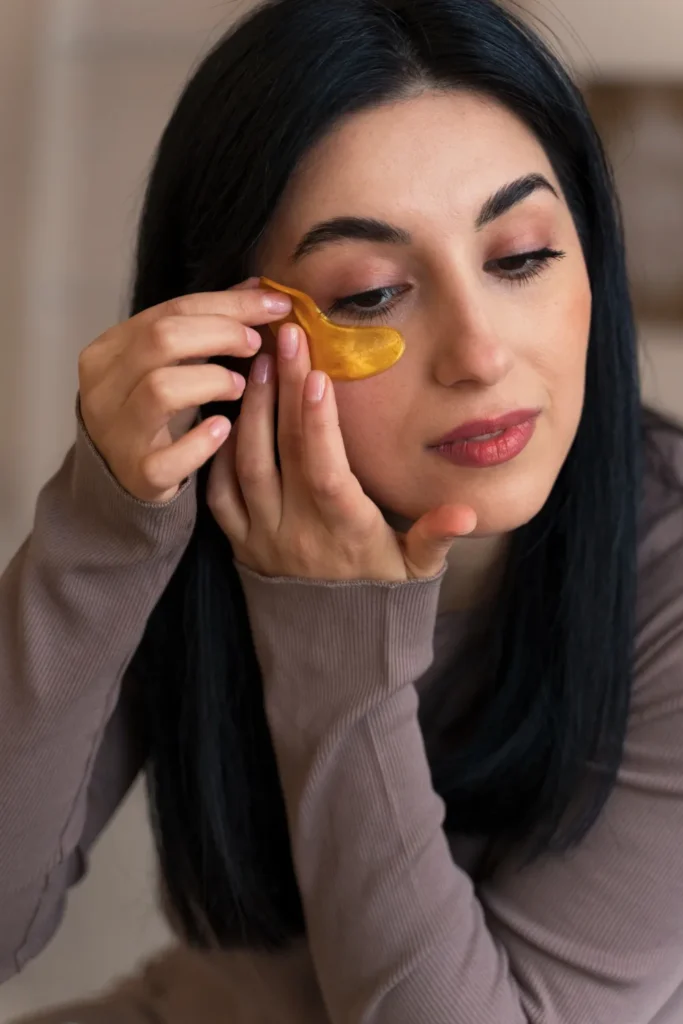
Understanding the benefits of turmeric for skin health requires looking at the oxidative stress we face daily. Pollution, UV rays, and poor diet create free radicals that break down collagen and elastin. Turmeric acts as a biological shield, neutralizing these harmful molecules before they can cause permanent damage.
Beyond protection, turmeric is important because it offers a multi-functional approach to skincare. Most topical creams target only one issue, such as dryness or oiliness. However, turmeric balances sebum production while simultaneously providing deep hydration and antioxidant support.
This dual-action makes it an invaluable tool for those who want to simplify their skincare routine. Whether you are dealing with premature aging or stubborn breakouts, the versatile nature of this golden spice provides a foundational layer of health for all skin types.
Top 10 Turmeric Benefits for Skin Health
This section is perhaps the most vital for anyone looking to transform their complexion. The following ten points represent the core of what turmeric does for your face and body, backed by both clinical observation and scientific evidence.
1. Reduces Acne Inflammation
Turmeric is exceptionally effective at calming the “fire” of cystic acne. Its anti-inflammatory properties shrink the size of pimples and reduce the surrounding redness. It essentially tells the immune system to stop overreacting to the bacteria trapped in the pores.
2. Helps Lighten Dark Spots
The curcumin in turmeric inhibits tyrosinase, the enzyme responsible for melanin production. This makes it a natural remedy for hyperpigmentation and sun spots. Regular use leads to a more even-toned complexion without the harsh side effects of chemical bleaches.
3. Improves Skin Glow
By boosting microcirculation, turmeric ensures that oxygen and nutrients reach the surface of the skin. This creates a natural “glow” that looks healthy and vibrant. It removes the dullness often associated with sluggish cell turnover and environmental buildup.
4. Reduces Redness and Calms Rosacea
For those with sensitive skin or rosacea, turmeric acts as a soothing agent. It constricts tiny blood vessels and reduces the flushing that occurs during flare-ups. This makes it a preferred natural ingredient for color-correcting redness.
5. Supports Wound Healing
Turmeric speeds up the skin’s natural repair process by enhancing collagen deposition. It also protects the wound from bacterial infection. This is particularly useful for healing acne scars or minor abrasions more quickly.
6. Improves Uneven Tone
If you suffer from “patchy” skin, turmeric can help create a uniform surface. It targets areas of excess pigment while leaving healthy skin untouched. This results in a balanced look that requires less corrective makeup over time.
7. Fights Free Radicals
The antioxidant capacity of turmeric is legendary. It scavenges free radicals that lead to fine lines and wrinkles. By protecting the DNA of skin cells, it serves as a powerful anti-aging agent that keeps the skin looking younger for longer.
8. May Reduce Eczema Symptoms
Eczema is characterized by a broken skin barrier and intense inflammation. Turmeric helps “seal” the barrier and reduce the itch-scratch cycle. Many patients find that topical turmeric pastes provide significant relief during dry winter months.
9. Supports Collagen Health
Turmeric protects the fibroblasts—the cells responsible for producing collagen. By maintaining the structural integrity of these cells, turmeric ensures the skin remains firm and elastic. This prevents the sagging that typically occurs with age.
10. Helps Control Oil Production
Turmeric helps regulate the sebaceous glands, preventing them from producing too much oil. This is a game-changer for individuals with oily or combination skin. It provides a matte finish without stripping the skin of its essential moisture.
Turmeric Benefits for Skin Lightening and Whitening
There is significant interest in the turmeric benefits for skin lightening and whitening, especially in Eastern cultures. However, it is important to clarify the difference between temporary brightening and permanent chemical whitening. Turmeric does not “bleach” the skin or change your natural skin tone permanently.
Instead, the turmeric benefits for skin whitening come from its ability to reduce excess melanin caused by sun damage or hormonal shifts. It restores the skin to its original, brightest state by clearing away the “fog” of hyperpigmentation.
This creates a perceived whitening effect because the skin looks much clearer and more reflective.
Drinking turmeric for skin whitening is also frequently discussed. When ingested, turmeric cleanses the liver and purifies the blood. A healthy liver diet is essential for clear skin, as it filters out toxins that would otherwise manifest as dullness or pigmentation on the surface of the face.
Turmeric Benefits for Acne and Dark Spots
The synergy between turmeric’s benefits for skin acne and its ability to heal dark spots makes it a unique treatment. Most acne medications are very drying, which can actually cause the skin to produce more oil and lead to darker scarring. Turmeric heals without dehydrating.
The antibacterial nature of turmeric targets Propionibacterium acnes, the bacteria responsible for common breakouts. Keeping the bacterial load low, it prevents new pimples from forming. Meanwhile, its ability to inhibit melanin ensures that if a pimple does occur, it doesn’t leave a permanent dark spot behind.
For those using turmeric for dark spots on the face, consistency is the key. Since it works on the enzyme level, it takes about 4 to 6 weeks to see significant fading. I often recommend a targeted spot treatment made of turmeric and a small amount of yogurt for my patients with stubborn acne scars.
Drinking Turmeric Benefits for Skin
While topical application is popular, drinking turmeric for skin benefits is often more profound and long-lasting. When you consume turmeric, you are addressing the root causes of skin issues—internal inflammation and gut health.
Milk and turmeric benefits for skin, often called “golden milk,” have become a global trend for a good reason. The fats in the milk help the body absorb the curcumin, which is otherwise difficult for the digestive system to process. This internal “glow” starts from the inside and moves outward.
Additionally, honey and turmeric benefits for skin can be achieved by drinking warm turmeric water with a spoonful of raw honey. This combination acts as a natural detoxifier. It flushes out waste products from the lymphatic system, which directly reduces puffiness and under-eye bags.
How to Apply Turmeric Topically for Skin
Learning how to apply turmeric topically is essential to avoid the common pitfall of staining. You should never apply pure turmeric powder directly to your skin, as it is too concentrated and will turn your face bright orange for days.
The best way to use turmeric for skin whitening or acne is to create a carrier base. Mix half a teaspoon of turmeric with a tablespoon of Greek yogurt, honey, or aloe vera gel. These bases act as a buffer, protecting the skin and making the turmeric easier to wash off.
Apply the mask to clean skin and leave it on for no more than 10 to 15 minutes. Use a gentle cleanser afterward to remove any residual yellow tint. For individuals with very fair skin, I suggest using a “toner” of apple cider vinegar and water after the mask to neutralize any staining.
Types of Turmeric and Their Skin Benefits
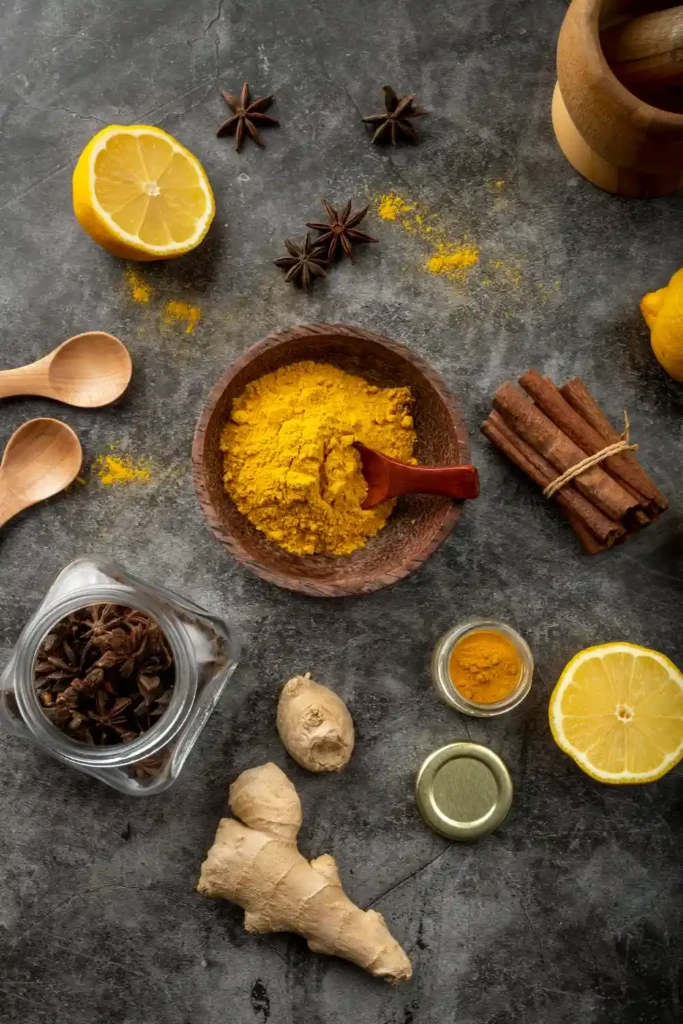
Not all turmeric is created equal. Understanding the different types can help you choose the best version for your specific skin concerns. Each variety offers a slightly different concentration of curcumin and essential oils.
Raw turmeric benefits for skin are often the highest, as the root has not been processed or heated. You can grate the fresh root directly into masks. It contains more volatile oils than the powder, which can lead to faster results for inflammatory conditions.
White turmeric’s benefits for skin are ideal for those who are afraid of staining. It provides many of the same anti-inflammatory benefits but lacks the intense yellow pigment. Black turmeric benefits for skin are rare.
It is often used in traditional medicine for its higher antioxidant count and its ability to treat more severe skin infections.
Side Effects of Applying Turmeric on the Face
Despite the many advantages, we must address the side effects of applying turmeric to the face. The most common issue is allergic contact dermatitis. I always tell my patients to perform a patch test on their inner arm before applying a turmeric mask to their entire face.
Staining is the second most common complaint. Turmeric contains a very strong pigment that can cling to dry patches of skin or fine hairs. If you have a big event the next day, it is best to avoid a DIY turmeric mask and stick to a professional formulation that has been processed to be non-staining.
The American Academy of Dermatology notes that individuals with very sensitive skin may experience a mild burning or itching sensation. If this occurs, wash the product off immediately with cool water. Always follow up with a high-quality moisturizer to soothe the skin barrier.
Frequently Asked Questions
Can I rub turmeric on my face every day?
I generally advise against daily topical application of DIY turmeric masks. Using it 2 to 3 times a week is sufficient to see results without risking skin irritation or persistent yellow staining.
Is drinking turmeric water good for the skin?
Yes, drinking turmeric water daily helps reduce systemic inflammation and aids the liver in detoxification. This leads to clearer skin and a reduction in chronic conditions like acne and puffy eyes.
Does turmeric lighten skin permanently?
No, turmeric does not permanently change your skin’s genetic melanin level. It lightens skin by fading hyperpigmentation and brightening dullness, restoring your complexion to its natural, clearest state.
What does turmeric do for your face?
Turmeric provides a multi-pronged approach: it kills acne-causing bacteria, reduces inflammatory redness, protects against sun damage, and brightens the overall skin tone for a healthy glow.
Can I leave a turmeric mask on overnight?
No, leaving a turmeric mask on overnight is not recommended. It can cause severe staining and may irritate the skin. 15 minutes is the optimal time for a topical treatment.
Conclusion
Embracing the turmeric benefits for skin is a scientifically sound way to achieve a clearer, more radiant complexion. Whether you are battling stubborn acne, fading dark spots, or simply looking for an anti-aging boost.
This golden spice offers a wealth of dermatological advantages. By using it safely—through a combination of topical masks and internal consumption—you can unlock the full potential of one of nature’s most powerful healing agents.
Remember to be patient, as natural remedies work with your body’s rhythm to produce lasting, healthy results.
Authoritative References
- Phytotherapy Research: Effects of Turmeric (Curcuma longa) on Skin Health: A Systematic Review of the Clinical Evidence
- National Center for Complementary and Integrative Health (NCCIH): Turmeric Health Information
- Foods (MDPI): Curcumin: A Review of Its Effects on Human Health
- Clinical and Experimental Dermatology: Dermatological effects of Curcuma species: a systematic review
- Skin Pharmacology and Physiology: Clinical Studies on Topical Curcumin
Related Posts






MORE from Author
Read More As a physician specializing in exercise science and public health, I regularly consult patients who feel completely lost in the…
 Just last week, a 34-year-old patient named Clara sat in my clinic, feeling entirely overwhelmed by the modern fitness industry.…


 Hello, I am Dr. Kenji Sato, MD, specializing in sports medicine and performance optimization. In my sports clinic, I constantly…
- In my clinical practice as a physician focused on exercise science, I often tell patients that mastering fitness bench workouts…