
What Is Gut Health? Meaning, Importance & How to Improve It Naturally
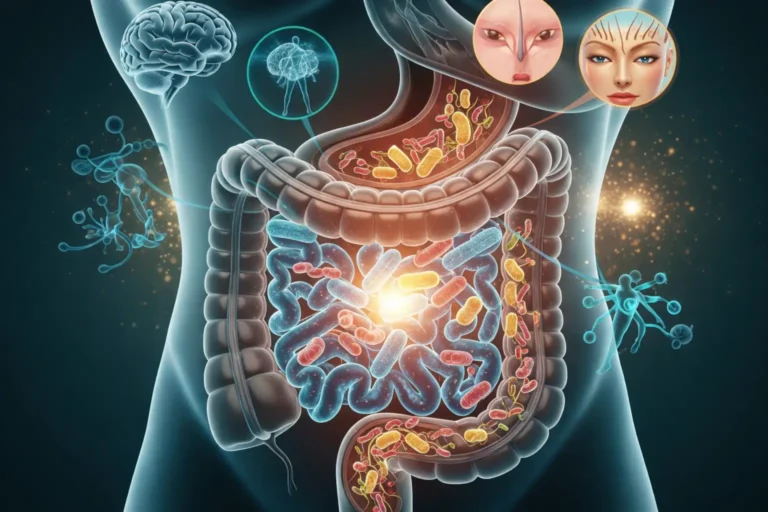
Welcome to the ultimate foundation guide on understanding your digestive system. If you have been wondering what gut health is, you are not alone in your curiosity.
It is a term mentioned everywhere, from medical journals to mainstream wellness blogs. But understanding what gut health means is the true key to unlocking better overall health.
In this comprehensive guide, we will break down the exact definition of gut health. We will explore the complex world of your microbiome and explain why it matters so much.
You will also discover highly actionable, science-based strategies to improve your digestion. Whether you want to reduce daily bloating or boost your immunity, the answers start in your gut.
What Is Gut Health?
To answer the question of what gut health means, we have to look inside your digestive tract. Gut health refers to the physical state, function, and environment of your entire gastrointestinal system.
This includes everything from your stomach and small intestines down to the colon. When someone asks what the gut is in the body, they are usually referring to this continuous digestive tube.
A healthy gut digests food efficiently, absorbs nutrients seamlessly, and eliminates waste without discomfort. But the true definition of gut health goes far beyond just breaking down your lunch.
It primarily revolves around the delicate balance of microorganisms living inside your digestive tract. When these microorganisms are balanced, your gut functions optimally, protecting your entire body from illness.
As Dr. Julian, I spend a lot of time breaking down this exact concept for my patients in the clinic. Just last week, I sat down with a patient who was deeply frustrated by her chronic fatigue and skin breakouts.
She asked me, “What does gut health mean in a practical sense, and why does my dermatologist care about my stomach?” I explained that her intestinal lining was severely inflamed, causing a ripple effect of symptoms throughout her system.
Once we repaired her digestive lining through targeted nutrition, her skin cleared up and her daily energy skyrocketed.
Why Gut Health Is Important for Overall Health
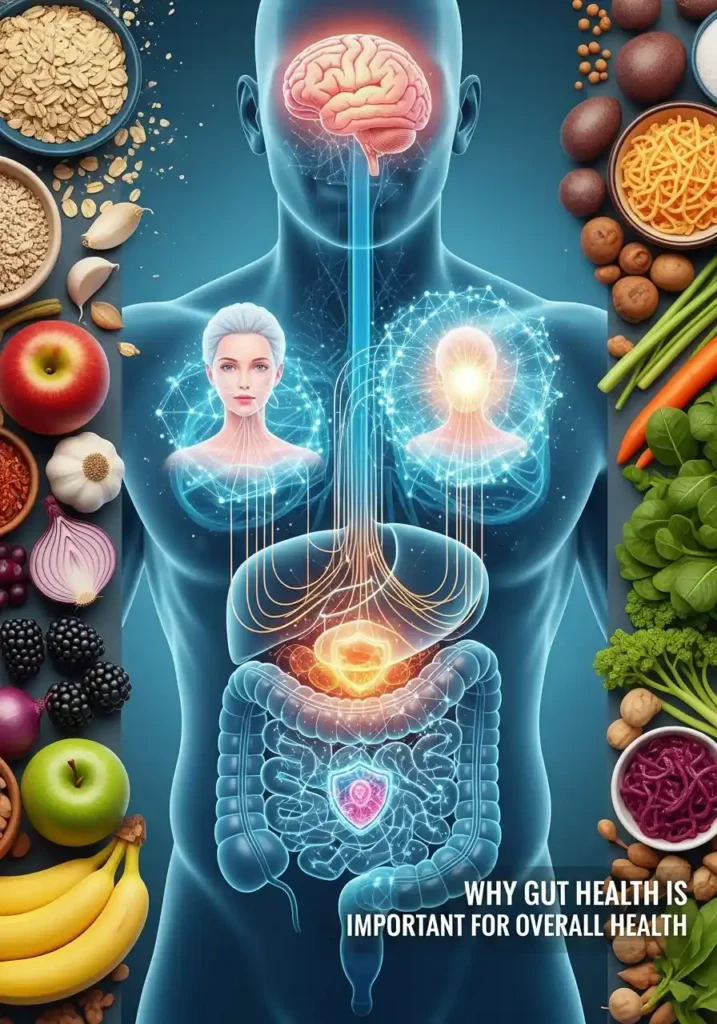
If you are wondering what gut health is and why it is important, the answer lies in your immune system and brain. Your digestive tract is the actual command center for your body’s overall well-being.
In fact, roughly 70 to 80 percent of your immune cells reside directly within your gut tissue. This gut health importance cannot be overstated when it comes to fighting off daily infections and viruses.
Beyond immunity, your stomach and brain are in constant communication via the vagus nerve. This is exactly why gut health is important for your mental health and emotional mood regulation.
Your gut produces the vast majority of your body’s serotonin, the neurotransmitter responsible for happiness and calm. When your digestive system is inflamed, you are much more likely to experience clinical anxiety and brain fog.
Furthermore, your gut controls your metabolism and dictates how efficiently you absorb essential nutrients from your food.
What Is Good for Gut Health?
Knowing what food is good for gut health is the most powerful tool you have for internal healing. Your daily diet directly dictates which type of bacteria will thrive and multiply in your microbiome. Feeding your beneficial microbes allows them to flourish and actively crowd out the harmful strains.
Best Foods for Gut Health
When my patients ask what foods are good for gut health, I always start with fiber and ferments. Dietary fiber acts as a prebiotic, which means it serves as literal food for your good bacteria.
Oats, apples, and bananas are excellent sources of soluble fiber that gently soothe the digestive tract. Garlic and onions are also incredibly powerful prebiotics that feed specific, highly beneficial microbial strains.
If you are wondering what fruit is good for gut health, dark berries and apples are top contenders. They are packed with polyphenols, which are plant compounds that reduce inflammation and feed healthy gut microbes.
Leafy greens like spinach and kale contain specific sugars that help fuel your healthy intestinal flora. Additionally, fermented foods like unpasteurized sauerkraut and kimchi introduce diverse, living bacteria directly into your system.
Best Yogurt for Gut Health
The dairy aisle can be overwhelming when trying to figure out what yogurt is good for gut health. You want to avoid commercial yogurts packed with artificial sweeteners and excessive added fruit sugars.
Instead, the absolute best option is plain, unsweetened Greek yogurt or a traditional fermented probiotic yogurt.
If you want to know what yogurt is best for gut health, always look for labels stating “live and active cultures.” These cultures are the actual beneficial bacteria, such as Lactobacillus, that will populate your microbiome.
Kefir, a fermented milk drink, is an even more potent and diverse alternative to standard yogurt. It often contains up to three times the amount of probiotic strains found in a regular cup of yogurt.
Drinks and Teas That Support Gut Health
Hydration is essential for keeping waste moving, but certain beverages offer bonus digestive healing benefits.
If you are searching for what tea is good for gut health, pure ginger tea is a fantastic starting point. Ginger naturally stimulates stomach emptying and rapidly soothes nausea or minor stomach discomfort.
Green tea is another excellent choice due to its incredibly high concentration of polyphenols. These antioxidants help reduce cellular inflammation along the delicate intestinal lining.
For those wondering what juice is good for gut health, pure aloe vera juice or celery juice can be soothing. However, you must strictly avoid sugary, highly processed fruit juices that actively feed harmful gut yeast.
What Vitamins and Supplements Help Gut Health?
While a whole-food diet is the foundation, targeted supplements can rapidly accelerate your internal healing timeline. Knowing what supplement is good for gut health can save you from wasting money on ineffective, overhyped products.
The supplement market is flooded, so focusing on clinical, evidence-based options is vital for your success.
Probiotics are the most well-known and widely used digestive supplement available today. When patients ask what is the best probiotic for gut health, I strongly recommend multi-strain, high-quality formulas. Look for a supplement containing both Lactobacillus and Bifidobacterium strains with a high CFU count.
However, probiotics only work effectively if you also consume prebiotic fiber to keep those bacteria alive in transit.
Beyond bacteria, you might wonder what vitamin is good for gut health and intestinal barrier repair. Vitamin D is absolutely crucial for maintaining the physical integrity of your gut barrier and immune response.
A deficiency in vitamin D is heavily linked to inflammatory bowel diseases and leaky gut syndrome. Additionally, zinc carnosine is an incredible, targeted supplement for repairing a damaged or inflamed stomach lining.
L-glutamine, an essential amino acid, is also widely used by clinicians to rebuild the cellular walls of the intestinal tract.
What Is a Gut Health Diet?
A true gut health diet is not about restricting calories or following temporary starvation trends. Instead, it is a highly structured, anti-inflammatory eating protocol designed to deeply nourish your microbiome.
When people ask what gut health food is, it generally refers to anything that actively feeds your good bacteria. This includes a wide variety of diverse plant fibers, colorful vegetables, and naturally fermented items.
The core goal of this diet is to reduce systemic inflammation along your entire digestive tract. By heavily prioritizing soluble fiber and healthy fats, you help rebuild the protective mucus layer of your intestines.
A proper gut health diet also strictly removes chemical emulsifiers and artificial preservatives. These synthetic additives act like harsh detergents, effectively stripping away the delicate lining of your stomach walls.
What Is a Gut Health Program?
If you are completely overwhelmed by daily digestive discomfort, a structured protocol is often the best solution. When patients ask what a gut health program is, I explain it as a comprehensive, step-by-step roadmap for healing.
It takes the guesswork out of your recovery by providing a strict timeline for removing triggers and reintroducing foods. These programs go far beyond just dietary changes; they incorporate essential lifestyle modifications like sleep hygiene and stress reduction.
As Dr. Julian, I frequently guide my patients through a 30-day comprehensive microbiome reset program. Just recently, a patient told me that starting a structured plan finally gave her control over her unpredictable digestion.
By diligently tracking her daily progress and safely introducing probiotics, she eliminated her painful bloating entirely. Many people also search for “What is a gut health program for weight loss?” , as repairing the microbiome naturally regulates metabolism and stubborn cravings.
10 Signs of an Unhealthy Gut
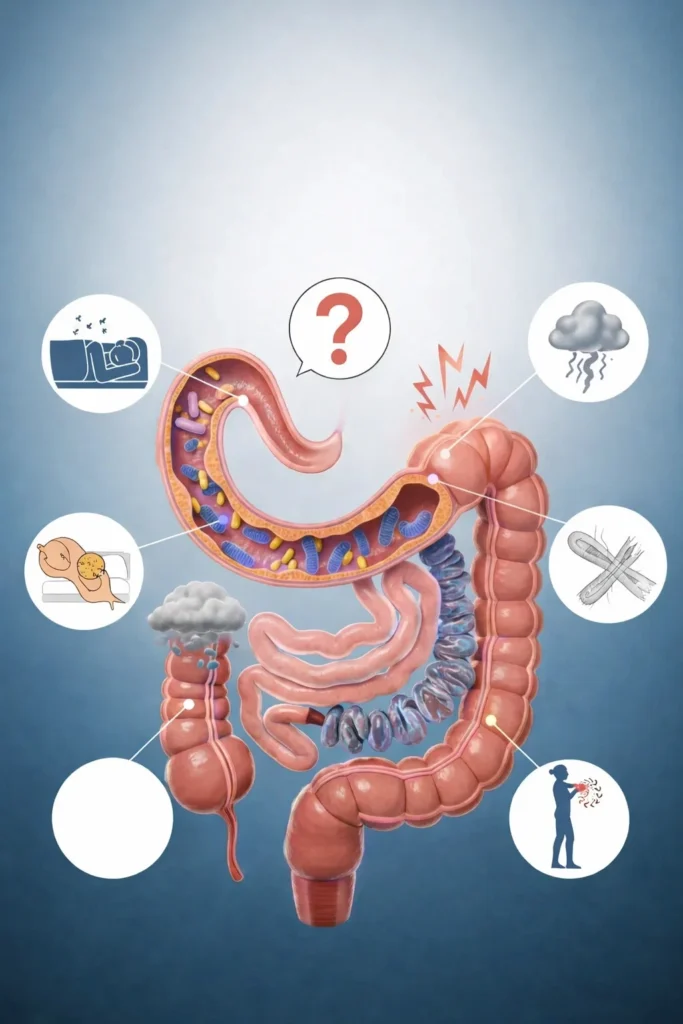
Your digestive tract constantly communicates with you through physical and mental symptoms when it is struggling. Recognizing these 10 signs of an unhealthy gut is the absolute first step toward restoring your internal balance.
Severe Bloating: A heavily distended stomach after eating points directly to gas produced by bacterial fermentation.
Adult Acne: Chronic skin breakouts are often a direct external reflection of systemic internal inflammation.
Chronic Fatigue: Since your gut produces essential neurotransmitters, an imbalance directly drains your daily energy levels.
Brain Fog: Inflammatory markers easily travel from a damaged gut lining to your brain, making concentration incredibly difficult.
Sugar Cravings: Harmful yeast and bad bacteria feed off refined sugar, actively manipulating your brain to crave more sweets.
Bad Breath: Halitosis that ignores good dental hygiene frequently originates from bad bacteria trapped in the stomach.
Weak Immunity: Catching every cold or virus indicates your gut-based immune defenses are severely compromised.
Constipation: Infrequent bowel movements mean your microbiome lacks the necessary fiber to move waste out effectively.
Mood Swings: Disruptions in gut-produced serotonin lead directly to unexplained anxiety and emotional instability.
Sleep Disturbances: An inflamed gut struggles to produce melatonin, making it incredibly hard to achieve deep, restful sleep.
How Do You Know If Your Gut Is Healthy?
After implementing these dietary and lifestyle changes, you need to know how to measure your success. When patients ask, “How do I know my gut is healthy?, I tell them to look for silent, seamless digestion.
A healthy gut operates quietly; you should not experience painful bloating or excessive gas after a normal meal.
Furthermore, you should experience one to two well-formed, effortless bowel movements every single day. Your daily energy levels will stabilize without relying on caffeine, and your chronic skin breakouts will clear up.
A strong, healthy microbiome also means you will catch fewer seasonal colds and bounce back from illnesses much faster.
Frequently Asked Questions
What is the medical definition of gut health?
Gut health refers to a balanced community of microorganisms in your digestive tract that supports proper digestion, nutrient absorption, and immune function.
How do I repair my digestion naturally?
Focus on reducing ultra-processed foods and added sugars while increasing fiber-rich foods, fermented foods, hydration, and sleep. These habits help support the gut’s natural healing process.
What does it mean to “fix” your gut?
It means restoring healthy digestion, reducing inflammation, and supporting a balanced microbiome—not achieving perfection, but improving overall gut function over time.
What is the true secret to long-term gut health?
Dietary diversity is key. Eating a wide range of plant-based foods each week helps nourish beneficial gut bacteria and supports resilience in the microbiome.
How can I tell if my gut health is improving?
Common signs include more regular bowel movements, less bloating, stable energy, fewer cravings, and better sleep or mood.
Conclusion
Understanding your gut health is the most profound step you can take toward mastering your overall well-being. It is completely defined by the delicate, microscopic balance of trillions of bacteria living within your digestive tract.
Your daily diet plays the most critical role; you must prioritize fiber-rich whole foods and natural ferments over processed sugars.
However, your lifestyle choices — including deep sleep, hydration, and stress reduction—are equally vital for reducing internal inflammation. By consistently making science-backed, natural choices, you can completely rebuild your microbiome.
A healthy gut is the ultimate foundation for boundless energy, a bulletproof immune system, and lifelong vitality.
Authoritative & References:
Related Posts





MORE from Author
Read More As a physician specializing in exercise science and public health, I regularly consult patients who feel completely lost in the…
 Just last week, a 34-year-old patient named Clara sat in my clinic, feeling entirely overwhelmed by the modern fitness industry.…


 Hello, I am Dr. Kenji Sato, MD, specializing in sports medicine and performance optimization. In my sports clinic, I constantly…
- In my clinical practice as a physician focused on exercise science, I often tell patients that mastering fitness bench workouts…