Do I Have Anxiety: Take This Self-Test and Understand Your Symptoms

Wondering, “Do I have anxiety”? You are certainly not alone. Millions of adults ask this exact question daily as they navigate a chaotic modern world. Sudden worry, racing thoughts, or unexplained physical tension can feel confusing, isolating, and deeply overwhelming.
As a board-certified psychiatrist, I have evaluated thousands of patients who walk into my clinic with these very same concerns. Just last month, I worked with a patient named Maya who sat in my office and asked if she was “losing her mind” because of her racing heart. She wasn’t; she was simply experiencing an untreated nervous system response.
This comprehensive guide is designed to help you understand your symptoms clearly and without judgment. We will walk through a clinical anxiety quiz together, explore the root causes of your symptoms, and compare anxiety to other conditions like ADHD symptoms and depression. Let us start your journey toward clarity, understanding, and long-term relief.
TL;DR Summary
- Anxiety is multifaceted: It involves both severe mental rumination and intense physical symptoms.
- Causes are diverse: Genetics, chronic stress, and lifestyle factors all play a significant role.
- Self-testing is the first step: A structured quiz helps identify your current risk level.
- Professional diagnosis is key: Self-tests guide you, but only a clinician can officially diagnose and treat you.
What Is Anxiety and How Do You Know If You Have It?
To understand what you are experiencing, we must first define what this condition actually is. Anxiety is your body’s ancient, natural alarm system. Biologically, it is designed to alert you to potential threats quickly so you can survive. Everyone feels nervous sometimes before a big presentation or a major life event.
Clinical anxiety, however, feels profoundly different. It persists for weeks or months without any clear, immediate danger present. Your brain’s amygdala—the fear center—essentially gets stuck in the “on” position, triggering a false alarm constantly. When this happens, stress hormones like cortisol and adrenaline flood your system unnecessarily.
You might feel on edge for hours or days at a time, unable to relax even in a safe environment. This pattern disrupts your daily life, your sleep, and your relationships significantly. According to the National Institute of Mental Health, anxiety disorders are defined by excessive, persistent, and uncontrollable worry.
If you are constantly asking yourself if you have a problem, you know something feels off. I always tell my patients to trust that instinct gently. Learning how to identify the condition starts with quiet observation. Notice your emotional and physical patterns without self-criticism; this awareness is your very first step toward finding relief. For more foundational guidance, explore our guide on mental wellness.
What Are the Symptoms of Anxiety?
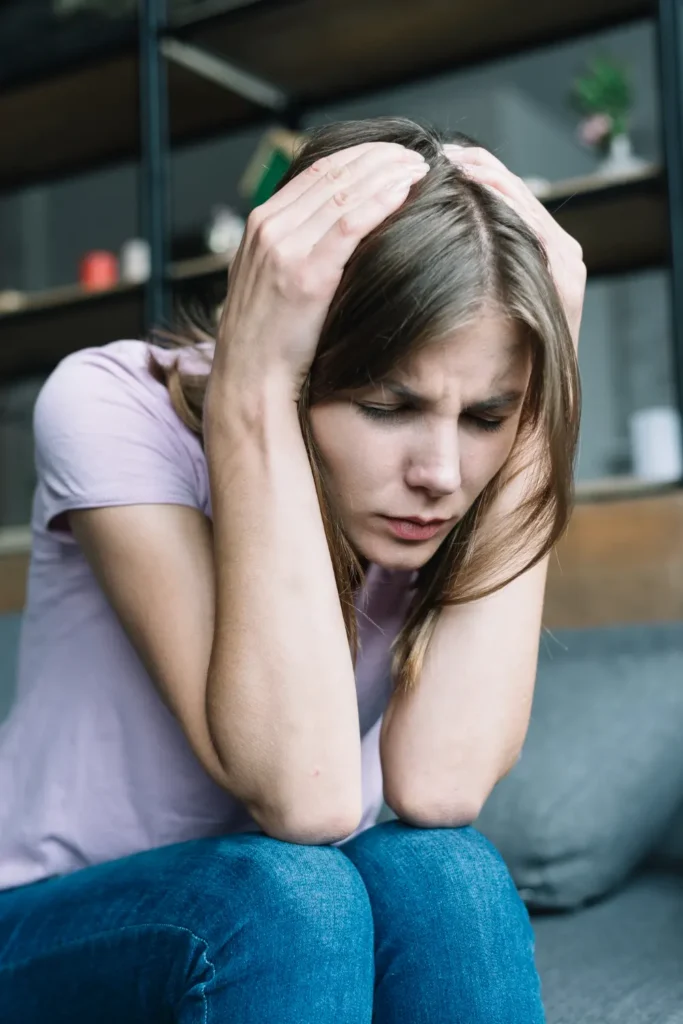
One of the most confusing aspects of this condition is that symptoms show up in your mind and your body simultaneously. Mental signs are often what people notice first. These include racing thoughts, dread, and catastrophic thinking, where your brain assumes the worst possible outcome for every scenario.
However, the physical symptoms feel equally real and are often far more terrifying. Heart palpitations can mimic cardiovascular issues, creating genuine physical discomfort. Intense restlessness makes sitting still physically painful, while chronic sleep issues quickly drain your cognitive and emotional energy reserves.
Muscle tension is another hallmark, frequently causing severe tension headaches, neck stiffness, or jaw pain from night grinding. The American Psychological Association notes that these symptoms rarely happen in isolation; they almost always cluster together to create a full-body experience.
For example, intense worry triggers stomach upset, and that physical discomfort fuels more anxious thoughts about your health. This cycle feels exhausting and inescapable.
Recognizing these patterns breaks their power, helping you separate a normal stress response from a clinical medical concern.
Why Do I Have Anxiety All of a Sudden?
Many patients sit in my office bewildered, explaining that they were fine yesterday but are panicking today. Sudden anxiety often has identifiable, underlying triggers. Chronic stress can slowly drain your coping resources until a seemingly minor event overwhelms your system completely.
A major deadline, a hidden relationship conflict, or financial worry can spark severe symptoms seemingly out of nowhere. Furthermore, biological factors are massive contributors. Hormonal shifts during the menstrual cycle, postpartum periods, or menopause drastically affect brain chemistry and emotional regulation.
Hidden lifestyle triggers are also incredibly common. High caffeine consumption mimics the body’s natural adrenaline response unexpectedly. Similarly, trauma reminders can activate your sympathetic nervous system without warning, throwing you into a panic response over a smell, sound, or location.
If you wonder why you are panicking for “no reason,” know that a subtle trigger usually exists. Perhaps poor sleep lowered your resilience, or dehydration amplified your physical sensations. I highly recommend tracking your symptoms in a simple journal to identify these hidden links and regain control.
Why Do I Have Anxiety in the Morning or at Night?
The timing of your symptoms can provide massive clues about their root cause. Morning anxiety is incredibly common and often linked directly to the cortisol awakening response (CAR). Your body naturally releases a surge of this stress hormone to help you wake up and start your day.
For individuals with an already sensitized nervous system, these cortisol levels may rise too high, too fast. This results in an overwhelming feeling of dread before your feet even hit the floor. Conversely, nighttime anxiety usually stems from the sudden mental quietness that occurs when your daily distractions fade away.
Without work or chores to keep your brain occupied, suppressed worries amplify in the silence of your bedroom. This leads to poor sleep quality, which creates a vicious cycle. The anxiety disrupts your rest, and the resulting fatigue makes your nervous system even more vulnerable to panic the next day.
If you are struggling at night, check your evening routine first. Screen time before bed suppresses melatonin, keeping your brain chemically awake. Address these basic sleep hygiene factors consistently, and you will often see a noticeable improvement in your symptom severity within just a few days.
Do I Have Anxiety or Something Else?
In psychiatry, we spend a lot of time on differential diagnosis because many conditions share overlapping symptoms. Accurate identification is the only way to guide effective treatment. Use this comparison table for initial clarity on what you might be experiencing.
| Condition | Key Difference From Generalized Anxiety |
| Generalized Anxiety | Broad, fear-based worry about future threats and general life events. |
| ADHD | Primary struggle is with focus, executive function, and under-stimulation, not fear. |
| OCD | Driven by intrusive thoughts that require compulsive physical or mental rituals to neutralize. |
| Depression | Characterized by persistent low mood, apathy, and hopelessness, rather than active panic. |
| Panic Disorder | Sudden, intense physiological attacks that peak rapidly, often without a clear trigger. |
Patients frequently ask me if they have ADHD instead of an anxiety disorder. While both cause restlessness, ADHD involves chronic distractibility, whereas anxiety features excessive, fear-based worry about performance. Similarly, OCD includes repetitive behaviors designed to neutralize specific fears, which generalized anxiety lacks.
Distinguishing between depression and anxiety is also critical. Depression centers on hopelessness and a lack of energy, while anxiety focuses on anticipated danger and high nervous energy.
Self-assessment helps start these vital conversations with your provider, but a clinician must evaluate your specific symptom duration and functional impact.
Do I Have Social Anxiety?
Social anxiety is a very specific subtype of the disorder that involves an intense, paralyzing fear of judgment from others. If you have this, you might actively avoid parties, work meetings, or even simple phone calls. The fear of being perceived negatively dictates your daily schedule.
Physical symptoms are highly pronounced in social settings. You may experience severe blushing, uncontrollable trembling, sweating, or nausea when forced to interact with groups. This differs from general shyness significantly; shyness is a personality trait, whereas social anxiety actively disrupts your career and relationships.
Many wonder why they developed this specific fear. Early negative experiences, such as intense childhood bullying or public humiliation, can deeply shape this response. Genetics and a naturally highly reactive amygdala also play a contributing role in how your brain processes social threats.
Recognizing this pattern is crucial for your healing. Specific screening tools can isolate these symptoms, but professional evaluation is needed to confirm the diagnosis accurately. Treatment often combines Cognitive Behavioral Therapy (CBT) with gradual exposure techniques, making relief absolutely achievable.
Why Do I Have Anxiety After Drinking or Coffee?
Substances directly and powerfully impact your nervous system chemistry, often in ways that provoke severe panic. Caffeine, for example, works by blocking adenosine receptors—the chemicals that promote calm and sleepiness—while simultaneously triggering a massive adrenaline release.
If your nervous system is already frayed, this chemical dump will make you feel jittery, restless, or entirely panicked shortly after consumption. Alcohol presents a different challenge. It initially depresses your central nervous system, providing a temporary feeling of false relaxation.
However, as the alcohol metabolizes and leaves your bloodstream, a severe chemical rebound occurs. Your brain, having been artificially suppressed, suddenly overfires. Furthermore, your liver prioritizes breaking down the alcohol toxins, which delays the processing of your natural stress hormones.
The result feels like a sudden wave of worry, dread, and physical shaking the morning after drinking. Hydration, balanced meals, and strictly limiting your intake mitigate these effects. If you are struggling with panic, I strongly advise eliminating these substances temporarily to give your nervous system time to heal.
When to Be Concerned About Anxiety

Self-awareness is excellent, but knowing when to see a doctor and escalate your care to a professional is critical for your safety and well-being. You should seek professional help immediately if your symptoms consistently disrupt your ability to function at work, school, or home.
If you are experiencing full-blown panic attacks on a weekly basis, your nervous system requires medical intervention. Similarly, if your sleep has been severely disrupted for more than two weeks, your brain will physically struggle to heal itself without external support.
The Mayo Clinic emphasizes that early intervention drastically improves long-term mental health outcomes. You do not need to wait until you are completely broken or at a crisis point to ask for help. Persistent worry that affects your physical health or relationships is reason enough to seek care.
A licensed mental health provider can offer personalized, evidence-based strategies to help you cope. Therapy builds lasting cognitive skills, and medication can act as a crucial bridge while you heal. Making the decision to seek professional support is the ultimate act of taking control of your health.
Can Anxiety Be Confirmed Without a Doctor?
While self-tests and online quizzes are fantastic for screening your risk, they cannot replace a medical diagnosis. A common question I receive is whether someone can self-diagnose their mental health condition and treat it entirely alone.
A licensed psychiatric provider does much more than just listen to your symptoms. They assess symptom duration, severity, and comprehensive life impact. More importantly, they rule out underlying medical conditions, such as severe thyroid disorders or vitamin deficiencies, which can perfectly mimic panic attacks.
Official diagnosis follows the established criteria from the DSM-5. This rigorous process ensures that you receive accurate, personalized treatment planning rather than guessing at solutions. Self-assessment tools beautifully complement this process but should never replace a thorough clinical evaluation.
I encourage you to use your quiz results as a direct conversation starter with your doctor. Print out your completed checklist and bring it to your next appointment. This collaborative approach optimizes your care pathway efficiently and ensures you get the exact help you need.
Frequently Asked Questions
Can I take an anxiety quiz without providing my email?
Yes, many highly reputable, free screening tools do not require an email address. Organizations like the Anxiety and Depression Association of America (ADAA) offer anonymous tests. Always verify the credibility of the website before sharing any personal health data.
How do I know if I have anxiety or just normal stress?
Stress is typically a direct response to a specific external pressure, like a deadline, and it resolves when the situation ends. Anxiety, however, persists long after the immediate threat has passed, causing ongoing physical and mental distress without a clear external trigger.
What specific type of anxiety do I have?
There are several clinical types, including Generalized Anxiety Disorder (GAD), Social Anxiety, Panic Disorder, and specific phobias. Only a licensed mental health professional can accurately classify your specific condition by deeply evaluating your unique symptom pattern and triggers.
Can clinical anxiety go away completely on its own?
While mild, situational stress may improve with healthy lifestyle changes, clinical anxiety disorders typically require targeted intervention. Without professional therapy, medication, or dedicated nervous system regulation techniques, the neurological pathways that cause panic tend to strengthen over time.
How do I stop overthinking and spiraling?
Practice active thought labeling by telling yourself, “This is just a worry, not a proven fact.” You can also schedule a specific, brief “worry time” daily to contain the thoughts, and use sensory grounding techniques (like the 3-3-3 rule) to force your brain back into the present moment.
Conclusion
Asking yourself, “Do I have anxiety?” requires an immense amount of self-awareness and courage. By seeking out this information, you have already taken the crucial first step toward reclaiming your peace of mind. Use the self-test provided to gauge your symptom severity, and begin tracking your unique physical and emotional triggers in a journal.
Remember that while online screening tools provide excellent guidance, they are not a substitute for a professional medical evaluation. Relief is absolutely possible, and you do not have to navigate this heavy burden alone. Reach out to a trusted healthcare provider today—you truly deserve to live a life free from constant fear.
Authoritative References
- JAMA Internal Medicine (via PubMed): A Brief Measure for Assessing Generalized Anxiety Disorder: The GAD-7
- Annals of Internal Medicine (via PubMed): Screening for Anxiety in Adolescent and Adult Women: A Recommendation From the Women’s Preventive Services Initiative
- Frontiers in Psychiatry (via PMC): The overlap of attention-deficit/hyperactivity disorder and anxiety in adults: a systematic review
- JAMA (via PubMed): Diagnosis and Management of Generalized Anxiety Disorder and Panic Disorder in Adults
Related Posts



MORE from Author
Read More As a physician specializing in exercise science and public health, I regularly consult patients who feel completely lost in the…
 Just last week, a 34-year-old patient named Clara sat in my clinic, feeling entirely overwhelmed by the modern fitness industry.…

 Hello, I am Dr. Kenji Sato, MD, specializing in sports medicine and performance optimization. In my sports clinic, I constantly…
- In my clinical practice as a physician focused on exercise science, I often tell patients that mastering fitness bench workouts…