
Heart Disease Symptoms: Early Warning Signs, Causes & When to Seek Help

As a board-certified MD specializing in cardiovascular medicine, I evaluate patients daily who are experiencing various heart disease symptoms. Many individuals unknowingly dismiss early warning signals, attributing them to stress, aging, or simple indigestion.
Cardiovascular conditions rarely develop overnight and usually present subtle clues long before a major medical crisis occurs. Recognizing these specific physical signals is the most effective way to prevent permanent damage to your cardiac muscle.
Through decades of clinical practice, I have seen how early symptom recognition dramatically improves patient survival rates. This comprehensive medical guide will detail the exact symptoms to watch for across different heart conditions and explain when you must seek immediate help.
TL;DR: Quick Overview
- Heart disease symptoms vary but often include chest pain, shortness of breath, and deep fatigue.
- Women may experience less obvious symptoms like severe nausea, extreme fatigue, or sudden jaw pain.
- Early detection and medical intervention can successfully prevent major heart attacks and structural complications.
- You must seek urgent emergency care for crushing chest pain, severe breathing difficulty, or sudden fainting.
What Are Heart Disease Symptoms?
Heart disease symptoms are physical warning signs indicating that the heart is not functioning properly. These signs frequently occur due to reduced blood flow, blocked arteries, or underlying structural issues within the cardiac muscle.
When the heart struggles to pump efficiently, the entire body reacts to the lack of oxygenated blood. These reactions manifest as the various physical discomforts and warning signs we identify clinically as cardiovascular symptoms.
Main Symptoms of Heart Disease
The physical presentation of cardiovascular illness involves a few core symptoms that appear across multiple specific diagnoses.
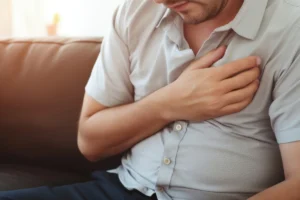
Chest pain, medically known as angina, is the most universally recognized indicator of a struggling heart. Patients typically describe this as a tight, squeezing pressure or a heavy weight sitting directly on their sternum.
Shortness of breath is another primary symptom that occurs when the heart cannot pump blood efficiently. This often leads to fluid backing up into the lungs, making breathing difficult even during light physical exertion.
Profound, unexplainable fatigue is a major indicator that your tissues are not receiving adequate oxygen. Additionally, an irregular heartbeat (arrhythmia) and noticeable swelling in the legs or ankles signal severe circulatory distress.
Heart Attack Symptoms

An acute myocardial infarction, commonly known as a heart attack, presents with intense, unmistakable emergency symptoms.
The most prominent sign is severe, crushing chest pain that lasts longer than five consecutive minutes. This pain frequently radiates outward, traveling down the left arm or shooting up into the neck and jaw.
Patients actively experiencing a heart attack often break out in a sudden, cold, profuse sweat without any physical exertion. Severe nausea, sudden vomiting, and an overwhelming sense of impending doom are also critical emergency indicators.
Heart Disease Symptoms in Women
Medical research shows that female patients frequently experience a much different symptom profile than men during cardiac events.
Women are significantly more prone to an atypical presentation that lacks the classic Hollywood chest-clutching pain. Instead, they often experience a sudden onset of crushing, debilitating fatigue that prevents normal daily activities.
Severe nausea, indigestion-like discomfort, and sharp pain specifically located in the upper back or jaw are critical female warning signs.
Heart Disease Symptoms in Men
Male patients generally present with the more traditional symptoms historically associated with major cardiovascular events.
Classic, central chest pain that feels like a tightening band is the predominant symptom for men. This intense pressure is often accompanied by a sudden, severe shortness of breath at rest.Pain radiating specifically down the left arm is another highly typical male symptom of acute cardiac distress.
Early Signs of Heart Disease in Females vs Males
Comparing the subtle early signs between genders highlights why women’s symptoms are frequently misdiagnosed.
Males typically report localized chest pressure and physical exertion fatigue as their earliest warning signs. Females, conversely, report general body aches, sleep disturbances, and intense nausea long before chest discomfort begins.
Coronary Heart Disease Symptoms
Coronary artery disease involves the slow buildup of fatty plaque inside the primary blood vessels feeding the heart muscle.
The defining symptom of this condition is stable angina, which is chest pain triggered specifically by physical stress. Patients notice a sharply reduced exercise tolerance, feeling breathless and tight-chested after activities they previously found easy.
Ischemic Heart Disease Symptoms
Ischemia occurs when the cardiac tissue is actively starved of oxygen due to severely restricted blood flow.Patients often experience a deep chest tightness that slowly worsens over time as the arteries become narrower.
Dangerously, many patients suffer from silent ischemia, meaning their heart is starving for oxygen without producing any physical pain.
Hypertensive Heart Disease Symptoms
This specific condition is caused entirely by long-term, uncontrolled high blood pressure physically damaging the heart muscle.In the early stages, the heart muscle thickens silently, producing absolutely zero noticeable physical symptoms.
As the disease progresses to late-stage heart failure, patients experience chronic fatigue, severe breathlessness, and heavy fluid retention.
Valvular Heart Disease Symptoms
When the delicate valves inside the heart fail to open or close properly, blood flow becomes highly turbulent.
This turbulent blood flow produces a distinct heart murmur that cardiologists can easily detect with a stethoscope. Patients with severe valve disease frequently suffer from dizzy spells, fainting episodes, and intense shortness of breath.
Congenital Heart Disease Symptoms
These are structural heart defects present from birth that affect how blood flows through the infant’s heart.A primary symptom in newborns is cyanosis, which is a distinctly bluish tint to the skin, lips, and fingernails.
Children with congenital defects often exhibit poor growth, extreme fussiness during feeding, and rapid breathing.
Rheumatic Heart Disease Symptoms
This condition is a direct consequence of permanent valve damage caused by an untreated rheumatic fever infection.Patients often have a childhood history of severe joint pain and recurrent, untreated strep throat infections.
The long-term symptoms mimic general valve disease, including heart palpitations, chest pain, and severe physical exhaustion.
Heart Disease Symptoms on Skin
Cardiovascular distress often causes visible, physical changes to the outer surface of the body.
Cyanosis indicates dangerously low oxygen levels, turning the extremities a pale, bluish-gray color. Clubbing, which is the physical widening and rounding of the fingertips, signals chronic, long-term oxygen deprivation.
Additionally, patients with extremely high cholesterol may develop xanthomas, which are visible, yellowish fatty deposits under the skin.
Cardiovascular Disease Symptoms
This term encompasses a broader range of vascular issues that extend beyond the primary cardiac muscle.
It includes symptoms of stroke, such as sudden facial drooping, speech difficulty, and one-sided physical weakness. It also covers peripheral artery disease, which causes severe leg cramping and pain specifically while walking.
Causes of Heart Disease
Understanding the root causes of cardiovascular illness is essential for preventing the onset of life-threatening symptoms. This condition is rarely caused by a single event; rather, it develops from years of sustained metabolic and vascular damage.
The primary drivers are entirely linked to chronic lifestyle factors and unmanaged systemic diseases that degrade the arterial walls over time.
High blood pressure is one of the most destructive causes of structural heart damage. The constant, intense physical force of blood pushing against the delicate arterial walls causes microscopic tears and severe inflammation.
To compensate for this massive workload, the heart muscle physically thickens, eventually becoming too stiff to pump blood efficiently.
High cholesterol provides the exact raw materials needed to create dangerous blockages within your blood vessels. Elevated levels of LDL, or “bad” cholesterol, circulate in the blood and actively stick to the damaged areas of your arteries.
Over years, this sticky cholesterol hardens into calcified plaque, severely restricting the physical space available for oxygen-rich blood to flow.Smoking tobacco is arguably the most rapid accelerator of cardiovascular damage known in modern medicine.
The toxic chemicals inhaled through cigarette smoke immediately trigger massive systemic inflammation and heavily degrade the vascular endothelium. Smoking also makes blood cells stickier, drastically increasing the physical likelihood of a fatal blood clot forming inside a narrowed artery.
Finally, poorly managed diabetes acts as a massive catalyst for severe cardiovascular complications. Chronically high blood sugar levels systematically destroy the inner lining of all blood vessels, making them rigid and highly prone to plaque accumulation.
Diabetic patients frequently develop widespread microvascular disease, which silently starves the heart muscle of oxygen without causing typical warning pains.
How Symptoms Develop
The physical sensations of heart disease are the body’s emergency response to acute cellular starvation.As plaque narrows the arteries, it creates a state of reduced blood flow to the active cardiac tissue.
This profound oxygen deprivation forces the heart cells to switch to anaerobic metabolism, which rapidly produces lactic acid.The buildup of lactic acid triggers the local nerve endings around the heart, sending intense pain signals directly to your brain.
Heart Disease Treatment Overview

Modern cardiology employs a highly aggressive, multi-tiered approach to manage symptoms and halt disease progression entirely.
Treatment protocols always require a strict combination of lifestyle modifications, daily pharmacological therapy, and, when necessary, structural surgical interventions. The ultimate clinical goal is to immediately reduce the physical workload on the heart while maximizing the available oxygen supply.
Strict lifestyle modifications form the absolute foundation of any successful cardiovascular treatment plan. We mandate a nutrient-dense, plant-forward diet that is extremely low in saturated fats, heavily processed foods, and dietary sodium.
Daily, supervised aerobic exercise is heavily prescribed to naturally lower resting blood pressure and promote the growth of new collateral blood vessels. Furthermore, absolute and immediate smoking cessation is required to prevent further rapid degradation of the vascular walls.
Medications are specifically engineered to alter your systemic blood chemistry and protect the damaged heart muscle. Statins are universally prescribed to aggressively lower circulating LDL cholesterol and physically stabilize existing, fragile arterial plaques.
Blood pressure medications, such as ACE inhibitors and beta-blockers, are utilized to relax the blood vessels and significantly slow the resting heart rate.
We also frequently prescribe antiplatelet medications to prevent blood cells from clumping together and forming fatal clots.When non-invasive treatments fail to restore adequate blood flow, mechanical surgical procedures become absolutely necessary.
Angioplasty is a common intervention where a cardiologist inflates a tiny balloon inside the blocked artery to crush the plaque outward.
A small metal stent is then permanently implanted to keep the vessel propped open. For extremely severe, multi-vessel blockages, coronary artery bypass surgery is performed to physically reroute blood flow using healthy donor veins.
Is Heart Disease Curable?
Patients frequently ask if their cardiovascular condition can be entirely cured or permanently erased.Most forms of this disease are chronic, meaning they require lifelong management and daily medical attention.
However, with strict adherence to modern treatment protocols, the condition is highly manageable, and patients can live long, symptom-free lives.
Symptom Comparison Table
Understanding the nuances between different conditions helps secure an accurate and timely clinical diagnosis.
| Condition | Key Symptom Focus | Typical Onset |
| Coronary Artery Disease | Chest pain upon physical exertion | Gradual progression |
| Heart Attack | Crushing, sudden chest pressure | Immediate emergency |
| Valve Disease | Audible heart murmur and dizziness | Gradual progression |
| Heart Failure | Severe breathlessness and leg swelling | Late stage |
When to Seek Emergency Care
You must never attempt to ignore or “tough out” sudden changes in your cardiovascular baseline.Seek emergency medical attention immediately if you experience severe chest pain that lasts longer than five minutes.
Sudden fainting episodes, extreme dizziness, or severe shortness of breath that occurs while resting are also absolute medical emergencies.
Frequently Asked Questions
What are the first symptoms of heart disease?
The absolute earliest indicators typically include profound, unexplained fatigue, mild chest discomfort during exertion, and sudden breathlessness.
Do women have different symptoms?
Yes, female patients frequently experience atypical warning signs like severe nausea, intense fatigue, and sharp jaw pain instead of classic chest pressure.
What causes heart disease?
It is primarily driven by a toxic combination of chronic high blood pressure, elevated LDL cholesterol, tobacco smoking, and unmanaged diabetes.
Can symptoms be completely silent?
Yes, particularly in the early stages, plaque can build up for decades without causing any noticeable physical discomfort or warning signs.
How is chest pain from a heart attack different?
Heart attack pain is usually severe, crushing, lasts longer than a few minutes, and does not improve with rest or changing physical positions.
Conclusion
Recognizing heart disease symptoms early is the most critical step in preventing irreversible cardiac damage. Do not ignore subtle changes in your physical stamina, unexplainable fatigue, or mild chest discomfort.
By understanding how symptoms differ based on the specific condition and your gender, you can seek timely, life-saving medical care. Commit to routine cardiovascular screenings, control your manageable risk factors, and always treat sudden, severe chest pain as a true medical emergency.
Evidence-Based References:
- American Heart Association (AHA) – Warning Signs of a Heart Attack
- Centers for Disease Control and Prevention (CDC) – About Heart Attack Symptoms, Risk, and Recovery
- Mayo Clinic – Heart Disease
- National Heart, Lung, and Blood Institute (NHLBI) – Coronary Heart Disease
- World Health Organization (WHO) – Cardiovascular Diseases
Related Posts



MORE from Author
Read More As a physician specializing in exercise science and public health, I regularly consult patients who feel completely lost in the…
 Just last week, a 34-year-old patient named Clara sat in my clinic, feeling entirely overwhelmed by the modern fitness industry.…


 Hello, I am Dr. Kenji Sato, MD, specializing in sports medicine and performance optimization. In my sports clinic, I constantly…
- In my clinical practice as a physician focused on exercise science, I often tell patients that mastering fitness bench workouts…