Sleep Apnea Test (At-Home Testing, Cost, Results & Insurance Guide)
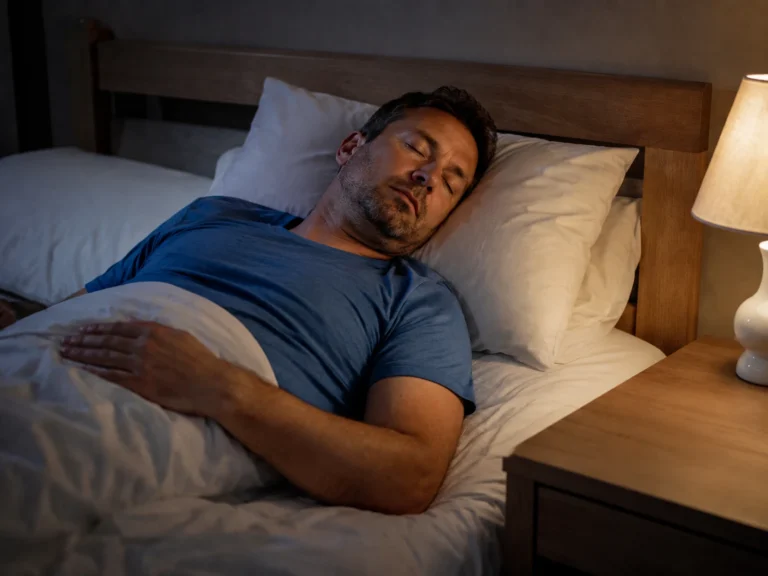
If you are constantly waking up exhausted or your partner complains about your loud snoring, it might be time to investigate what happens while you sleep. Taking a formal sleep apnea test is the first definitive step toward reclaiming your energy and protecting your long-term health.
I have spent years working in public health and clinical medicine . I regularly see patients who are terrified of sleep testing, imagining they must spend days wired to complex machines. Fortunately, modern medicine has made this diagnostic process incredibly accessible and convenient.
Just last week, I interviewed a patient who had suffered from daytime fatigue for over a decade. After finally completing a simple home evaluation to understand what is sleep apnea, we identified severe airway blockages and started immediate therapy. Today, we will explore exactly how these tests work, what they cost, and what your results actually mean.
TL;DR: Quick Overview
- A sleep apnea test carefully monitors your breathing, oxygen levels, and heart rate to check for nighttime airway interruptions.
- Testing is commonly done in your own bed using a home sleep apnea test (HSAT) or overnight in a clinical sleep lab.
- Securing an accurate medical diagnosis directly guides your future treatment options, such as CPAP or oral appliances.
- The Apnea-Hypopnea Index (AHI) is the primary score used to determine the severity of your condition.
What Is a Sleep Apnea Test?
Understanding exactly what is a sleep apnea test helps reduce any anxiety you might have about the diagnostic process. Essentially, it is a specialized medical evaluation designed to track your physiological functions while you are fully asleep.
During the night, the equipment monitors whether your breathing stops or becomes dangerously shallow. These specific breathing pauses are known clinically as apneas and hypopneas, which can significantly disrupt your rem sleep cycles.
Mayo Clinic — Sleep Apnea Diagnosis
By measuring how often these physical interruptions occur, doctors can confidently diagnose whether you have obstructive or central sleep apnea. This accurate data is absolutely vital for creating an effective, personalized medical treatment plan to improve your quality of life.
Types of Sleep Apnea Tests
When patients ask me about their diagnostic options, I always explain that there is no single approach for everyone. The medical field generally divides sleep testing into two distinct, highly effective categories based on your specific health needs.
Depending on your underlying medical conditions and the suspected severity of your breathing issues, your doctor will recommend the most appropriate path. We must carefully weigh the clinical accuracy against your personal comfort and convenience during the night.
Home Sleep Apnea Test (HSAT)
The home sleep apnea test is rapidly becoming the standard starting point for most of my otherwise healthy patients. Also known as an at home sleep apnea test, this option allows you to sleep in your own familiar bed without the stress of a lab.
When you take a sleep apnea test at home, you typically pick up a small device from your clinic or receive it in the mail. Before bed, you strap a small belt around your chest and place a soft oxygen sensor on your finger to monitor your vitals.
National Heart, Lung, and Blood Institute — Sleep Apnea
You also place a tiny tube under your nose to measure the physical flow of air as you breathe. This home sleep apnea test (HSAT) is incredibly convenient, highly cost-effective, and usually much easier to sleep through than a hospital study.
Overnight Sleep Study (Polysomnography)
The traditional overnight sleep apnea test, officially called polysomnography, remains the absolute gold standard in sleep medicine. For this comprehensive test, you spend the night in a specialized, fully accredited clinical sleep laboratory.
A trained sleep technologist attaches multiple small sensors to your scalp, face, chest, and legs. This advanced equipment monitors your exact brain waves, eye movements, heart rhythms, and detailed muscle activity throughout the night to see if 7 hours of sleep is enough for your recovery.
CDC — Sleep and Sleep Disorders
While sleeping in a clinical lab is certainly less convenient, polysomnography offers unmatched diagnostic accuracy. It is highly recommended for patients with complex sleep disorders, suspected central sleep apnea, or those whose home tests were inconclusive.
Best At-Home Sleep Apnea Test Options
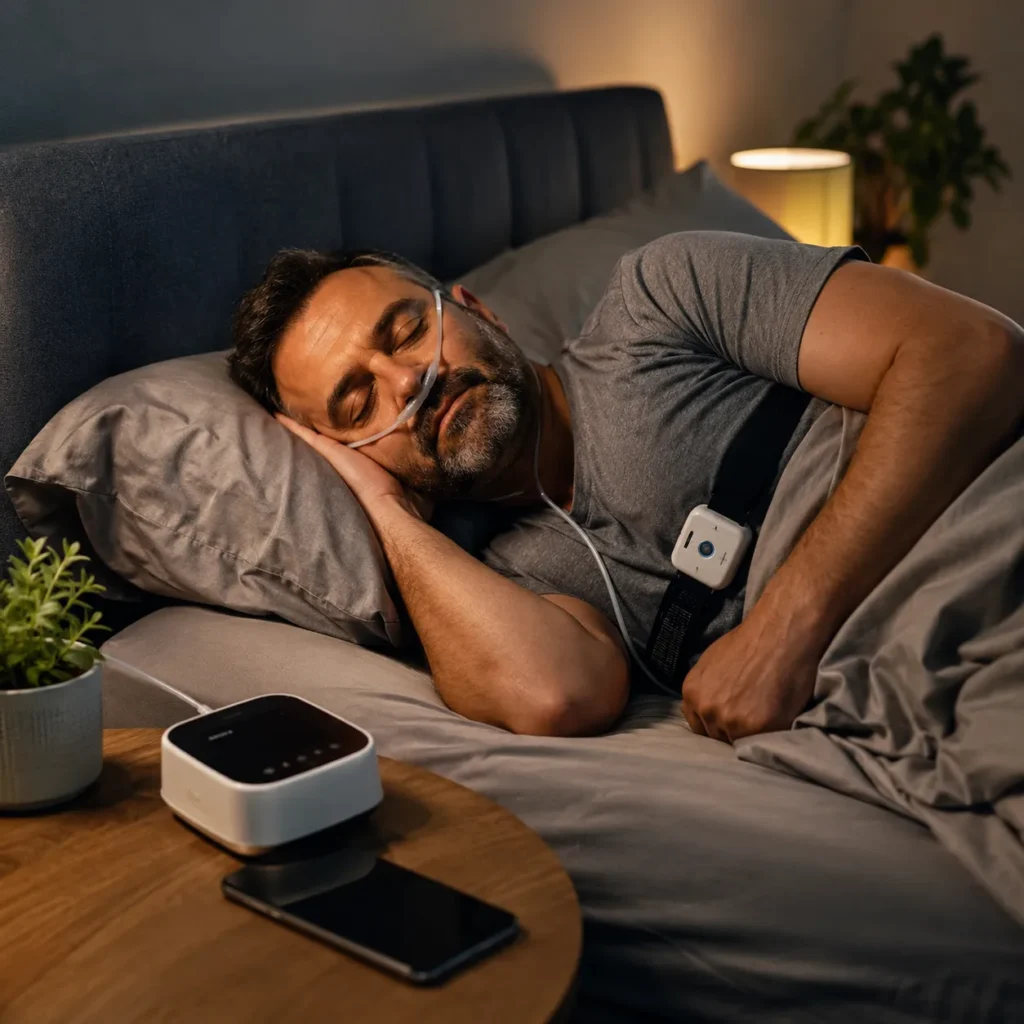
Technology is evolving rapidly, making the best at home sleep apnea test devices smaller and smarter than ever before. Many modern systems no longer require bulky chest belts or uncomfortable nasal tubes that can interfere with resting.
For example, the night owl sleep apnea test is a highly popular, FDA-cleared device that simply tapes to your finger. It uses advanced algorithms to calculate your breathing effort strictly from your blood oxygen and heart rate patterns.
National Institute on Aging — A Good Night’s Sleep
Other modern options involve a dedicated sleep apnea test machine like the WatchPAT, which measures peripheral arterial tone from your wrist and finger. Some patients also look for a sleep apnea test app, but remember that an app alone cannot legally diagnose a medical condition.
How a Sleep Apnea Test Works
Regardless of which specific testing method you use, the fundamental biological goals remain exactly the same. The equipment is actively looking for physiological distress signals that indicate your airway is collapsing or your resting heart rate is spiking.
First, standard breathing sensors precisely measure the volume of air moving in and out of your nose. Simultaneously, an oximeter continuously tracks the exact percentage of oxygen circulating in your red blood cells to detect dangerous drops.
National Institutes of Health — How Sleep Studies Work
If your airway collapses, your airflow stops and your oxygen levels inevitably drop, putting strain on your heart. The equipment also carefully tracks your sleeping position, as gravity heavily influences throat collapse when you sleep flat on your back.
Sleep Apnea Test Questions & Screening Tools
Before we ever hand you a testing device, we use specific sleep apnea test questions to evaluate your clinical risk. These standardized questionnaires help physicians determine if you actually need a formal diagnostic study or if you are simply experiencing symptoms of stress and anxiety.
The STOP-BANG sleep apnea questionnaire is widely used to evaluate your snoring volume, fatigue levels, age, and neck circumference. High scores on this simple screening tool strongly indicate a severe underlying breathing disorder that requires attention.
Johns Hopkins Medicine — The Dangers of Uncontrolled Sleep Apnea
Additionally, the Epworth Sleepiness Scale asks you to rate how likely you are to doze off during routine daily activities. Answering these questions honestly helps your doctor build a solid case for medical insurance approval and long-term care.
Sleep Apnea Test Results Explained
Waiting for your sleep apnea test results can be nerve-wracking, but understanding the metrics makes the conversation much easier. The most critical number on your final medical report is the Apnea-Hypopnea Index, commonly referred to as the AHI score.
Your AHI specifically represents the average number of times your breathing partially or completely stops per hour of sleep. To receive an official diagnosis, your AHI must be five or higher, combined with noticeable daytime symptoms.
| AHI Score | Severity Level | Clinical Meaning |
| Less than 5 | Normal | No clinical sleep apnea detected. |
| 5 to 14.9 | Mild | Mild airway resistance; lifestyle changes may help. |
| 15 to 29.9 | Moderate | Moderate risk; medical intervention is usually required. |
| 30 or higher | Severe | High cardiovascular risk; aggressive therapy needed. |
PubMed Central — Weight Loss and Obstructive Sleep Apnea
Does Anyone Ever “Pass” a Sleep Apnea Test?
Patients, especially veterans, often search online asking, does anyone ever pass a sleep apnea test? It is important to clarify that a diagnostic medical test is not an exam you pass or fail in the traditional sense.
People searching for how to fail a va sleep apnea test or how to fail sleep apnea test va are usually worried about disability ratings. The medical equipment strictly records objective physiological data that you cannot consciously fake or manipulate during the night.
U.S. Department of Veterans Affairs — Sleep Apnea and VA Disability
If your AHI score is under five, you simply do not have the condition; your test results are completely normal. In these cases, we might look for other causes of fatigue, such as asking how much sleep do I need for my body type.
Sleep Apnea Test Cost & Insurance Coverage
The sleep apnea test cost varies wildly depending on the specific type of study and your geographical location. Knowing the general cost of sleep apnea test options helps you plan your medical budget accordingly for the year.
A standard home sleep apnea test price typically ranges from $150 to $500 if paying entirely out of pocket. Conversely, an in-lab polysomnography study is much more resource-intensive and can easily cost between $1,000 and $3,000.
Johns Hopkins Medicine — The Dangers of Uncontrolled Sleep Apnea
Fortunately, an at home sleep apnea test covered by insurance is highly common for patients with documented symptoms. Medicare and most private insurance plans heavily prefer funding the cheaper home tests as a first-line diagnostic step.
Sleep Apnea Test CPT Code & Billing
If you are fighting with your insurance provider, knowing the exact sleep apnea test cpt code is incredibly helpful. These specific billing codes tell your insurance company exactly what medical procedure was performed during your evaluation.
For a standard home sleep study measuring airflow, oxygen, and heart rate, clinics often bill CPT code 95806 or 95800. For an extensive, overnight in-lab polysomnography study, the billing department will typically use CPT code 95810 for the claim.
World Health Organization — Chronic respiratory diseases
Always ask your sleep clinic to verify these specific billing codes with your insurance network before taking the equipment home. This prevents unexpected bills and ensures your preventive care benefits are used correctly.
DOT Sleep Apnea Test Requirements
Commercial truck drivers face very specific regulations regarding the mandatory dot sleep apnea test. The Department of Transportation heavily regulates occupational safety to prevent horrific, fatigue-related highway accidents on public roads.
If a medical examiner notices you have a high body mass index or a very thick neck, they will mandate testing. You cannot legally renew your commercial driver’s license until you complete this specific diagnostic screening and prove compliance.
Federal Motor Carrier Safety Administration — Driver Health and Sleep Apnea
If you are diagnosed with the condition, you must prove you are actively using a CPAP machine to maintain your active driving status. This is a matter of public safety and ensuring you are alert enough to handle heavy machinery.
Online Sleep Apnea Tests vs Medical Diagnosis
The internet is flooded with advertisements for a sleep apnea online test or a completely free sleep apnea test. While a sleep apnea test online can be a helpful preliminary screening tool, it cannot legally diagnose you with a disease.
A sleep apnea test free questionnaire only calculates your statistical risk based on the answers you type into the website. It physically cannot measure your blood oxygen levels or record your nighttime breathing pauses like a medical device.
Mayo Clinic — Obstructive sleep apnea
Always use these online screeners as a starting point to spark a serious conversation with your actual medical doctor. They are great for self-awareness, but they lack the clinical data needed to prescribe CPAP therapy.
Accuracy and Risks of Testing
At-home testing technology is incredibly sophisticated, but we must acknowledge certain clinical limitations in some patients. For the vast majority of those with moderate to severe obstructive sleep apnea, home tests are highly accurate and reliable.
However, home devices frequently underestimate the actual severity of your condition because they cannot monitor your brain waves. They measure your breathing against your total time in bed, not your exact time spent asleep.
Consequently, if your home test comes back normal but you are still exhausted, we always order a follow-up lab test. We also look for other signs like heart disease symptoms or frequent sweating in sleep.
Risks of Untreated Sleep Apnea
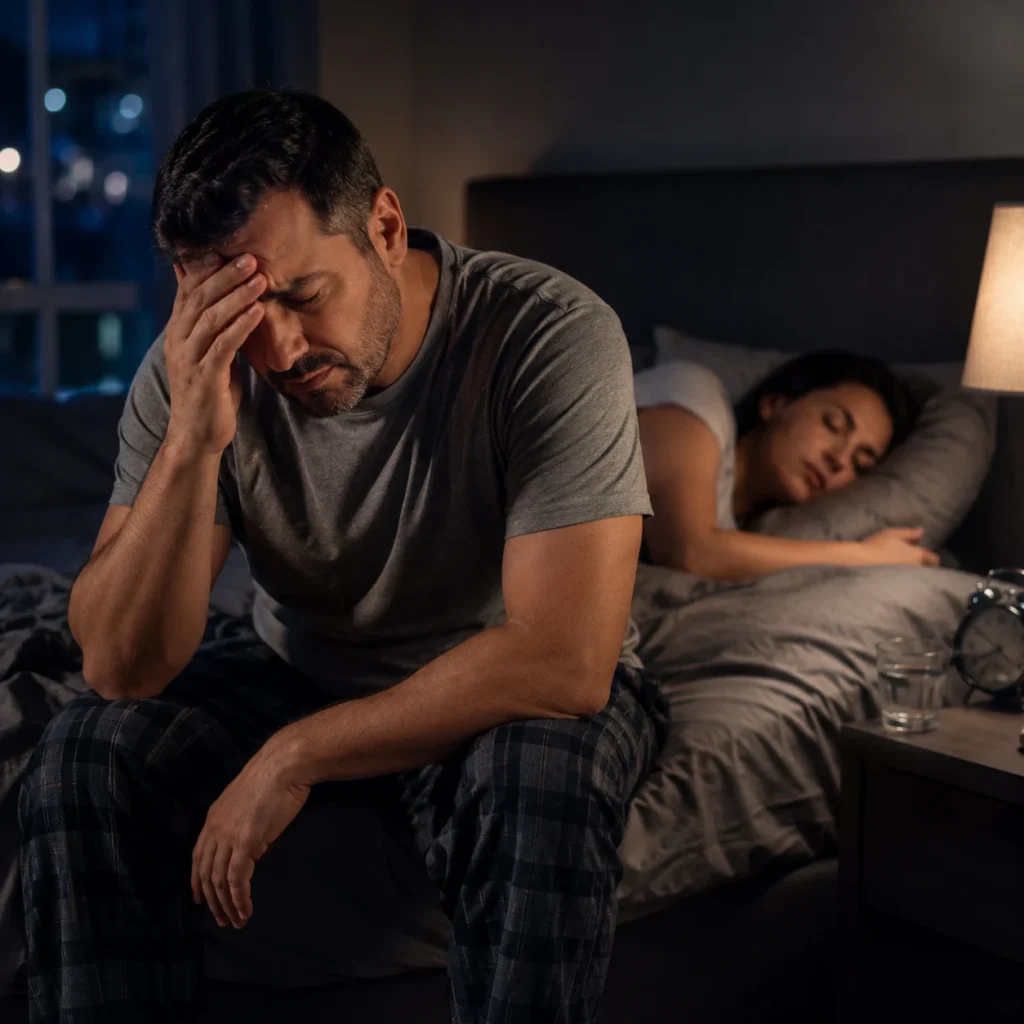
Ignoring the need for a diagnostic test allows the underlying disease to quietly destroy your cardiovascular system. The sudden drops in oxygen trigger massive surges of adrenaline and dangerous stress hormones every single night.
Over time, this intense nightly strain heavily damages your blood vessels, directly leading to resistant high blood pressure. You can learn more about how stress causes high blood pressure and the strain it puts on your heart.
Untreated patients are at a massive statistical risk for suffering fatal strokes and sudden heart attacks. To understand the gravity, review the difference between a stroke vs heart attack and how apnea contributes to both.
Frequently Asked Questions
Can sleep apnea be completely diagnosed at home?
Yes, the vast majority of uncomplicated, moderate to severe obstructive cases are now confidently diagnosed using highly advanced HSAT devices. These home tests offer a highly convenient, cost-effective starting point for most clinical patients.
Are home sleep apnea tests highly accurate?
They are generally very accurate for confirming obstructive sleep apnea in patients who already show strong clinical symptoms. However, they sometimes underestimate your exact severity, which occasionally necessitates a follow-up test in a formal sleep laboratory.
How much does a basic sleep apnea test cost?
Costs vary dramatically based on your exact insurance network and the specific testing method utilized. A simple home test usually costs a few hundred dollars, while comprehensive in-lab hospital studies often cost well over a thousand dollars.
What does a medical AHI score actually mean?
The Apnea-Hypopnea Index (AHI) strictly measures the average number of times your breathing is interrupted per hour of sleep. Doctors use this specific numerical metric to formally classify your condition as mild, moderate, or severe.
Can I actually fail a sleep apnea test?
A diagnostic medical test is not an exam you can pass or fail through personal effort. The equipment strictly records your physiological baseline; it simply tells the doctor whether an airway disorder exists or not.
Conclusion
Navigating the world of medical diagnostics can feel incredibly overwhelming, especially when you are already exhausted from poor sleep.
However, taking a sleep apnea test is arguably the most important, proactive step you can take for your long-term cardiovascular health. Whether you utilize a convenient home device or visit a specialized lab, the resulting data is absolutely priceless.
As a physician, I have witnessed countless patients completely transform their lives once we accurately identified their nighttime breathing issues.
Do not let the fear of medical costs or cumbersome equipment stop you from finding the clinical answers you deserve. With modern insurance coverage and highly advanced, less intrusive technology, getting tested is easier than ever before.
Take the initiative to answer the screening questionnaires, speak openly with your primary care doctor, and schedule your evaluation today. Your heart, your brain, and your daily energy levels desperately rely on you securing deep, uninterrupted, and highly restorative sleep. Consistent action today leads to a vibrant, healthier tomorrow.
Evidence-Based References
- National Heart, Lung, and Blood Institute — Sleep Apnea
- Mayo Clinic — Sleep apnea – Diagnosis and treatment
- American Academy of Sleep Medicine — Home Sleep Apnea Testing
- Centers for Disease Control and Prevention — Sleep and Sleep Disorders
- Cleveland Clinic — Sleep Study (Polysomnography)
- MedlinePlus — Sleep Study
- Johns Hopkins Medicine — Sleep Study
- American Thoracic Society — Obstructive Sleep Apnea
- PubMed Central — Polysomnography: A Review
- National Institute on Aging — A Good Night’s Sleep
Related Posts

MORE from Author
Read More As a physician specializing in exercise science and public health, I regularly consult patients who feel completely lost in the…
 Just last week, a 34-year-old patient named Clara sat in my clinic, feeling entirely overwhelmed by the modern fitness industry.…

 Hello, I am Dr. Kenji Sato, MD, specializing in sports medicine and performance optimization. In my sports clinic, I constantly…
- In my clinical practice as a physician focused on exercise science, I often tell patients that mastering fitness bench workouts…