
Can Drinking Water Lower Blood Sugar? (MD-Reviewed Guide)
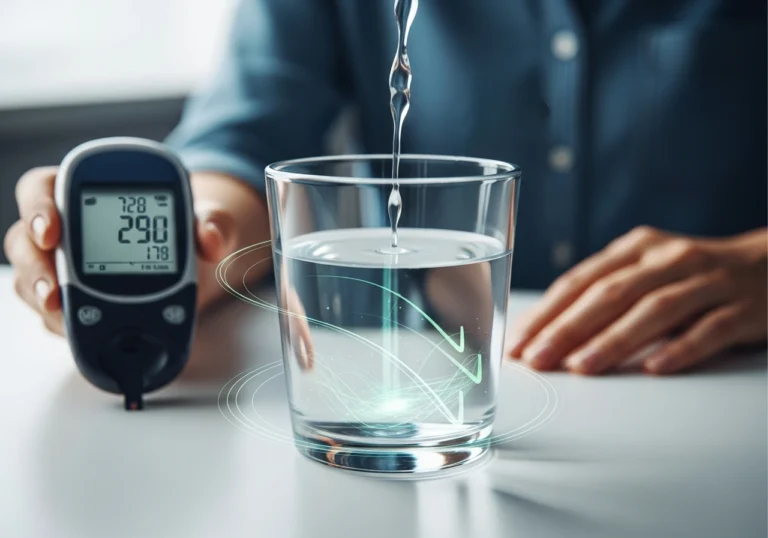
Have you ever stared at a high glucose reading and wondered what to do next? You are definitely not alone. Many of my patients ask me, “Can drinking water lower blood sugar?” It is a great question. We all know hydration is good for us. But can a simple glass of water actually fix a blood sugar spike?
First of all, water is not a magic cure. However, it does play a huge role in how your body handles glucose. In my clinic, I always tell patients that water is your body’s natural flush system. Due to this, staying hydrated is a vital piece of the diabetes puzzle. Let’s explore exactly how water affects your glucose levels and what you should know.
TL;DR Summary
- Drinking water helps lower blood sugar indirectly.
- It supports your kidneys in flushing out extra glucose.
- Water does not act as a rapid emergency treatment.
- Always combine hydration with a proper diet and prescribed medication.
How Blood Sugar Work
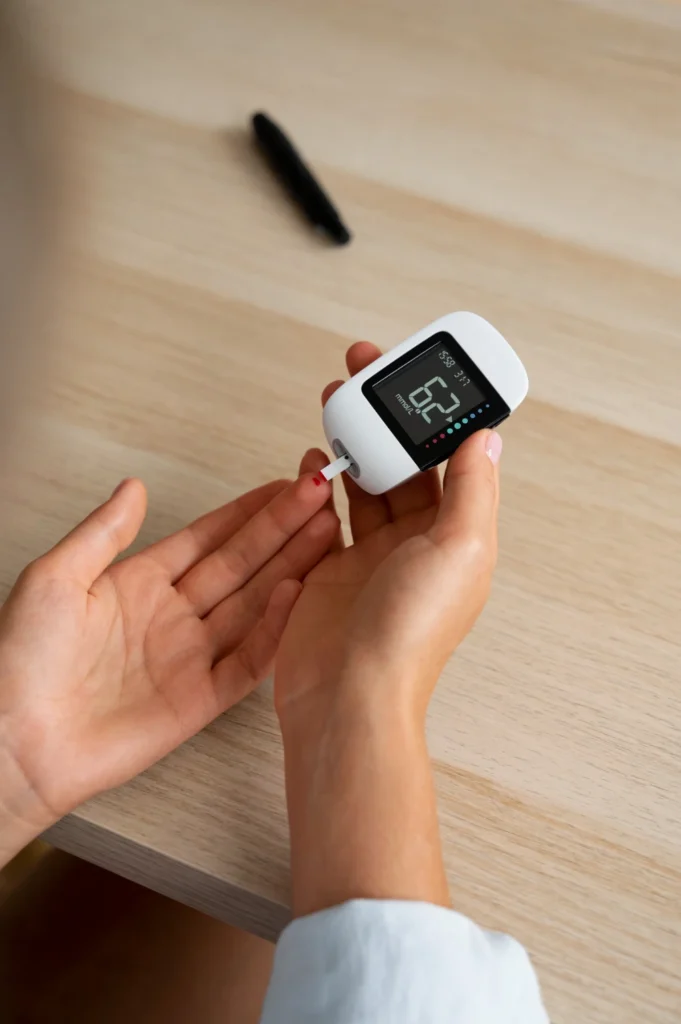
Your body runs on sugar, also known as glucose. You get this fuel from the food you eat. After a meal, your blood glucose levels naturally rise.
Because of this, your pancreas releases a hormone called insulin. Insulin acts like a key. It unlocks your cells so glucose can enter and provide energy.
Sometimes, this system breaks down. If your body resists insulin or doesn’t make enough, sugar builds up in your blood. Doctors call this hyperglycemia.
Consequently, high glucose can damage your blood vessels over time. Understanding your numbers is the first step to staying healthy.
| Status | Fasting Blood Sugar | 2 Hours After Meal |
| Normal | Under 99 mg/dL | Under 140 mg/dL |
| Prediabetes | 100 to 125 mg/dL | 140 to 199 mg/dL |
| Diabetes | 126 mg/dL or higher | 200 mg/dL or higher |
Can Drinking Water Lower Blood Sugar Levels?
Many people search for quick fixes for high glucose. So, can drinking water lower blood sugar levels? The answer is yes, but it happens indirectly.
The Brief Verdict
Water is not a medication. It will not instantly drop a massive sugar spike. However, it is an essential supportive tool.
In fact, adequate hydration helps your body manage glucose much more effectively. Let’s look at the science behind this process.
Core Mechanism of Action
Your kidneys are the heroes of this story. They constantly filter your blood. When your blood sugar gets too high, your kidneys go into overdrive.
They try to remove the excess glucose. To do this, they need plenty of fluid. If you drink enough water, your kidneys can easily flush sugar out through your urine.
Furthermore, drinking water creates a dilution effect. Imagine a glass of sweet tea. If you add more water, the tea becomes less sweet.
Similarly, adding water to your bloodstream lowers the concentration of glucose. As a result, your overall blood sugar levels drop slightly.
Recently, a patient of mine named Robert struggled with his morning numbers. He drank very little water during the day. I advised him to increase his fluid intake. He started drinking a large glass of water every morning and tracked his hydration.
Within two weeks, his glucose readings stabilized significantly. His kidneys finally had the fluid they needed to work properly. Of course, he also maintained his diet and medication. But the extra water made a very real, measurable difference.
Does Drinking Water Lower Blood Sugar Immediately?
You might wonder if water works like a fast-acting drug. It absolutely does not. This is a very common misconception in my clinic.
Insulin pushes sugar into your cells almost instantly. Exercise also burns up glucose very fast. In contrast, water takes time to process.
Water is a supportive measure, not an emergency fix. You cannot simply drink a gallon of water to fix dangerously high glucose.
Instead, think of hydration as daily maintenance. It keeps your engine running smoothly.
How Quickly Can Water Affect Blood Sugar?
So, what timeline should you expect? The effects of hydration are gradual. If you have mild hyperglycemia, drinking water helps over several hours.
Your body needs time to absorb the water. Then, your kidneys need time to filter your blood and produce urine.
Therefore, you will not see an instant drop on your glucose monitor. For a faster response, you must rely on light exercise or prescribed medication.
Why Do People With Diabetes Need More Water?

Diabetes specifically changes how your body uses fluids. When sugar levels rise, your kidneys pull water from your tissues to flush the glucose.
This process is called osmotic diuresis. Because of this, you end up urinating much more frequently. Doctors call this polyuria.
Consequently, frequent urination leads to rapid dehydration. When you become dehydrated, your blood volume drops.
As a result, the glucose in your blood becomes even more concentrated. It is a vicious cycle.
Therefore, people with diabetes must drink more water just to stay at a normal baseline. Does drinking water help diabetes? Yes, by breaking this dangerous cycle.
How Much Water Should You Drink to Help Blood Sugar?
You know hydration is vital. But how much water do you actually need? The ideal amount varies from person to person.
General Daily Guidelines
The U.S. National Academies of Sciences, Engineering, and Medicine provides clear guidelines. They recommend about 2.7 liters daily for women.
For men, they suggest 3.7 liters per day. This total includes water from all beverages and foods. However, plain water is always your best choice.
Diabetes-Specific Adjustments
If you have diabetes, you might need more than the standard guidelines. You must adjust your intake based on your current glucose levels.
For example, if your blood sugar is running high, increase your water intake. Also, drink more if you are exercising or if the weather is hot.
Always carry a water bottle with you. Take small sips throughout the day rather than chugging a large amount all at once.
The Risks of Overhydration
Can drinking too much water lower blood sugar too much? No, but it can cause other serious problems. Drinking excessive amounts of water dilutes your electrolytes.
Specifically, it can lower your sodium levels dangerously. Doctors call this hyponatremia. It can lead to confusion, seizures, and even coma.
Therefore, aim for steady, moderate hydration. Listen to your body and drink when you feel thirsty. Check the color of your urine; pale yellow is ideal.
Best Beverages for Glucose Control
You might wonder what else you can drink besides plain water. Specifically, choosing the right beverage makes a massive difference in your health. Let’s look at the best options available.
| Beverage | Primary Effect | Clinical Evidence Level | Important Notes |
| Water | Hydration support | High | Always your first-line option |
| Green Tea | Improves insulin sensitivity | Moderate | Packed with helpful antioxidants |
| Apple Cider Vinegar | Modest glucose control | Moderate | Mix with water before meals |
| Black Coffee | Possible metabolic benefit | Moderate | Strictly avoid added sugar |
Excellent Drink Choices Detailed
First of all, water remains the absolute gold standard for everyday hydration. It contains zero calories and zero carbohydrates. Therefore, it never causes a glucose spike.
Furthermore, you can easily flavor your water naturally. Try adding a squeeze of fresh lemon or some cucumber slices. Consequently, you will drink more fluid without consuming hidden sugars.
Green tea offers another fantastic option. It contains specific antioxidants called catechins. These powerful compounds actually help your body use insulin more efficiently.
In my practice, I frequently recommend unsweetened green tea. Most noteworthy, patients who drink it regularly often notice improved metabolic panels.
Apple cider vinegar (ACV) also shows promising results. Some studies suggest ACV slows down carbohydrate digestion. As a result, you experience a smaller glucose rise after meals.
However, you must dilute it. Just mix one tablespoon in a large glass of water. Drink it right before your heaviest meal for the best effect.
Finally, black coffee provides some metabolic benefits. Unsweetened coffee contains chlorogenic acid, which might support glucose management.
Yet, you must drink it black or use a sugar-free alternative. Adding sweet syrups completely ruins the metabolic advantages.
Emergency Context for Rapid Glucose Reduction
Patients often panic when they see a high number on their monitor. They frantically search for how to lower blood sugar quickly in an emergency at home.
Unfortunately, hydration alone will not save you in a true crisis. You need immediate, concrete actions.
At-Home Strategies
First, take any missed doses of your prescribed insulin or medication. This is your most critical step.
Next, engage in light physical activity. A brisk 15-minute walk forces your muscles to burn extra glucose.
Simultaneously, start drinking water to help your kidneys. Hydration supports your organs while the medication kicks in.
Limitations of Home Care
Sometimes, at-home methods simply fail. If your glucose stays above 250 mg/dL, you face real danger.
If you feel nauseous, confused, or extremely tired, stop treating it at home. These fuzzy signals actually indicate a serious metabolic crisis.
ER Criteria for Severe Hyperglycemia
Should you go to the ER for high blood sugar? Yes, under very specific circumstances.
You must seek immediate emergency care if your level crosses 300 mg/dL and stays there.
Furthermore, go to the hospital if you test positive for blood or urine ketones. Ketones indicate diabetic ketoacidosis (DKA), a life-threatening condition.
Also, watch for severe symptoms like vomiting, fruity-smelling breath, or severe abdominal pain. Never ignore these critical warning signs.
Preventative Role of Hydration
Many people ask me if water prevents diabetes. Hydration plays a strong preventative role, but it is not a standalone cure.
Drinking adequate water keeps your kidneys functioning optimally. Consequently, your body naturally excretes waste efficiently.
However, you cannot out-drink a terrible diet. You must combine daily hydration habits with proper nutrition.
Long-Term Impact on A1C Levels
Does drinking water lower A1C? Your A1C measures your average glucose over three months.
Water directly impacts daily fluctuations, not your long-term baseline. However, consistent hydration prevents severe daily spikes.
In the long run, avoiding those sharp spikes lowers your overall A1C average. Therefore, daily water habits create excellent long-term results.
Guidance for Special Populations
Different groups need specific hydration protocols. Let’s examine two critical populations.
Gestational Diabetes Management
Pregnancy places immense metabolic stress on the body. Women with gestational diabetes must prioritize safe hydration.
Drinking water helps manage fetal sugar exposure. However, pregnant women must follow strict medical supervision. Always consult your obstetrician.
Protocols for Older Adults
Older adults face a much higher dehydration risk. Specifically, our natural thirst mechanism weakens as we age.
Recently, I treated a 72-year-old patient named Margaret. She arrived at the clinic feeling dizzy and confused.
Her family thought she had dementia. In reality, severe dehydration caused a massive glucose spike. We rehydrated her, and her mind cleared completely.
Dietary Approaches to Glucose Management
You must eat the right foods to maintain stable numbers. Focus heavily on fiber-rich foods like leafy greens and beans.
Fiber slows down digestion significantly. Thus, sugar enters your bloodstream at a slow, steady pace.
Additionally, always pair your carbohydrates with healthy fats and lean proteins. This combination blocks sudden glucose spikes effectively.
Holistic Lifestyle Interventions
You can manage your health naturally through daily lifestyle choices. First, prioritize daily exercise to improve insulin sensitivity.
Next, focus on your sleep quality. Poor sleep triggers stress hormones that elevate your baseline sugar.
Finally, practice daily stress reduction. Chronic stress floods your body with cortisol, which directly drives up glucose.
Medical Safety and Precautions
Always approach natural remedies safely. Even water carries certain risks if you misuse it.
Overhydration Complications
As mentioned earlier, massive water intake causes hyponatremia. Never force yourself to drink gallons of water quickly.
Medication Interactions
Certain diabetes drugs change how you process fluids. For example, SGLT2 inhibitors force your body to excrete sugar through urine.
These medications require you to drink more water. Conversely, prescription diuretics require careful fluid monitoring.
Clinical Evaluation Triggers
You must see your doctor if you experience persistent hyperglycemia. If your numbers stay elevated despite diet and exercise, seek help.
Frequently Asked Questions
Does drinking water lower blood sugar?
Yes, it lowers it indirectly. Water hydrates your body and allows your kidneys to flush out excess glucose through your urine.
Can I lower blood sugar by drinking water alone?
No, water cannot replace your prescribed treatments. It simply supports your overall diet, exercise, and medication plan.
What drink lowers blood sugar immediately?
No beverage works instantly. You must use prescribed insulin or fast-acting medications for immediate results.
What to drink to lower blood sugar immediately?
While nothing works instantly, plain water is your safest choice. It helps your kidneys process the excess sugar over a few hours.
How to lower blood sugar quickly emergency at home?
First, take your prescribed medication. Then, drink plain water and engage in light physical activity if you feel safe doing so.
Conclusion
We have covered a lot of ground today. So, can drinking water lower blood sugar? Ultimately, the answer is a resounding yes, though the effect is gradual and indirect. Water remains an essential, supportive tool for your daily metabolic health.
It empowers your kidneys, prevents dangerous dehydration cycles, and dilutes glucose concentrations in your bloodstream. Remember, hydration is not a cure or an emergency treatment.
Instead, you must combine excellent water habits with a healthy diet, daily exercise, and your doctor’s medical plan. Drink up, stay active, and take control of your health today.
Authoritative References
- Low water intake and risk for new-onset hyperglycemia
- Effect of acute hypohydration on glycemic regulation in healthy adults: a randomized crossover trial
- Effect of Increased Daily Water Intake and Hydration on Health in Japanese Adults
- Prevention and Therapy of Type 2 Diabetes—What Is the Potential of Daily Water Intake and Its Mineral Nutrients?
- Diabetes Mellitus and fluid imbalance: The need for adequate hydration
Related Posts




MORE from Author
Read More As a physician specializing in exercise science and public health, I regularly consult patients who feel completely lost in the…
 Just last week, a 34-year-old patient named Clara sat in my clinic, feeling entirely overwhelmed by the modern fitness industry.…


 Hello, I am Dr. Kenji Sato, MD, specializing in sports medicine and performance optimization. In my sports clinic, I constantly…
- In my clinical practice as a physician focused on exercise science, I often tell patients that mastering fitness bench workouts…