
Mini Heart Attack Symptoms (Early Signs, Silent Cases & Treatment)

As a board-certified MD in cardiology, I frequently treat patients who dangerously delayed coming to the emergency room. Recognizing mini heart attack symptoms immediately can literally save your life and prevent permanent muscle damage.
Many people mistakenly believe that all cardiovascular emergencies involve dramatic, crushing chest pain. The reality is often far more subtle and confusing. Patients frequently brush off minor discomfort as simple indigestion or stress.
You must understand how these smaller vascular events present physically to protect your long-term health. This comprehensive clinical guide breaks down exactly what a minor cardiac event feels like. We will explore the critical warning signs, gender differences, and when you must seek urgent medical help.
TL;DR: Quick Overview
- A “mini heart attack” is usually an NSTEMI (non-ST-elevation myocardial infarction).
- Symptoms can be incredibly mild or easily mistaken for anxiety or acid reflux.
- Some people may not even realize they suffered a vascular event.
- Always seek immediate medical care, as even mild symptoms indicate severe danger.
What Is a Mini Heart Attack?
Many patients ask what doctors actually mean by this specific terminology. A mini heart attack, medically called NSTEMI, is a type of heart attack where blood flow is only partially blocked.
This partial blockage causes less severe but still highly dangerous damage to the heart muscle. It requires the exact same urgent medical evaluation as a massive, fully blocked artery.
What Are Mini Heart Attack Symptoms?
Understanding the precise physical sensations of a minor cardiac event is absolutely vital. Patients rarely experience the classic “Hollywood” heart attack where they collapse in agony.
Instead, the body sends subtle distress signals as the heart muscle struggles for oxygen. These physical indicators often start slowly and build over a period of minutes or hours.
Common Symptoms
Chest discomfort remains the most frequent indicator of a partial vascular blockage. This usually feels like a mild pressure, an uncomfortable tightness, or a dull ache in the center of the chest.
Severe shortness of breath frequently accompanies this mild chest tightness. You might suddenly feel like you just ran a marathon while simply sitting on your living room couch.
Profound, unexplained fatigue is another major indicator that your heart is struggling. Your body diverts all available energy away from your muscles to try and protect your vital organs.
Intense nausea and general stomach distress frequently confuse patients during a minor event. People often mistakenly take antacids, falsely believing they simply ate something disagreeable.
Mini Heart Attack Symptoms
You must recognize the full spectrum of possible physical warning signs. Never wait for every single symptom on this list to appear before calling for help.
- Mild chest pain or uncomfortable pressure
- Aching discomfort radiating to the arm, jaw, or upper back
- Sudden, unexplained cold sweating
- Severe dizziness or unexpected lightheadedness
- A sudden feeling of intense, generalized weakness
Early Signs of Mini Heart Attack Symptoms
Your body usually tries to warn you before a partial blockage becomes a full emergency. Paying attention to these early systemic changes gives you a massive survival advantage.
Warning Signals
You might notice an unusual, crushing fatigue that lasts for several consecutive days. Simple tasks like making the bed or walking up a single flight of stairs may suddenly exhaust you.
A drastically reduced exercise tolerance serves as a major clinical red flag. If your normal daily walk suddenly causes chest tightness, you need an immediate medical evaluation.
Severe sleep disturbances often plague patients in the weeks leading up to an event. You might wake up gasping for air or feeling a strange fluttering sensation in your chest.
Early Warning Signs of Mini Heart Attack Symptoms
Active physical warnings require your immediate attention and rapid clinical action. Do not simply sit down and hope the strange feeling passes on its own.
You might feel a subtle chest discomfort exclusively during physical activity that vanishes when you rest. This indicates your heart cannot get enough oxygen when it pumps harder.
Sudden breathlessness without any chest pain is incredibly common in early vascular disease. Your lungs struggle to oxygenate your blood effectively because the heart pump is failing.
Mini Heart Attack Symptoms in Women

Female cardiovascular emergencies require a highly specific and careful diagnostic approach. Women face higher mortality rates largely because they experience entirely different physiological warning signs.
Female-Specific Symptoms
Women frequently report severe, relentless nausea rather than central chest pressure. This intense gastrointestinal distress completely masks the underlying cardiac emergency.
Sharp or dull back pain between the shoulder blades is highly common in female patients. This referred pain travels along different nerve pathways than typical male chest pain.
Extreme, debilitating fatigue often forces women to stay in bed for days before seeking help. They simply assume they caught a severe flu virus rather than recognizing a vascular blockage.
Female Mini Heart Attack Symptoms
Female blood vessels are physically smaller and branch differently than male vessels. Women frequently develop dangerous blockages in the tiny microvasculature of the heart.
Hormonal influences heavily dictate how and where sticky cholesterol plaque forms in women. This unique microvascular disease causes the highly atypical symptom patterns we see in the emergency room.
Mini Heart Attack Symptoms in Men
Men generally experience a much more predictable presentation during a minor cardiac event. Their physical signs align more closely with traditional medical textbook descriptions.
Typical Male Presentation
Men almost always report some level of central chest pressure or uncomfortable squeezing. This discomfort rarely feels like a sharp, stabbing pain localized to one tiny spot.
A dull ache radiating down the left arm or up into the jaw frequently occurs in men. Profuse, cold sweating usually accompanies this specific type of physical discomfort.
Anxiety vs Mini Heart Attack Symptoms
Distinguishing between a severe panic attack and a minor cardiac event remains incredibly difficult. Both medical conditions trigger a massive adrenaline dump that terrifies the patient.
You must never attempt to self-diagnose these overlapping physical sensations at home. A missed cardiac diagnosis can easily lead to irreversible heart muscle damage or sudden death.
Overlapping Symptoms
Severe anxiety and a partial arterial blockage share several highly alarming physical signs. Both conditions routinely cause sudden chest tightness and a racing, pounding heartbeat.
You might also experience intense shortness of breath and sudden cold sweating during a panic attack. These shared symptoms send thousands of anxious patients to the emergency room every single year.
Key Differences
A true cardiovascular event usually stems from a specific physical trigger, like walking up stairs. The heavy chest pressure firmly persists even when you sit down and attempt to relax.
Conversely, a severe anxiety attack often links directly to intense emotional stress or mental trauma. Panic attack symptoms typically peak within ten minutes and gradually resolve as you calm down.
Anxiety Female Mini Heart Attack Symptoms
Women face a terrifyingly high risk of medical misdiagnosis in the emergency room. Doctors sometimes improperly dismiss female cardiac symptoms as mere clinical anxiety or hysteria.
This dangerous medical bias leaves many women with untreated, life-threatening arterial blockages. You must strongly advocate for your own health if you feel something physically wrong.
Always demand a proper electrocardiogram (EKG) and specialized blood tests to rule out cardiac damage. Never let anyone simply send you home with a basic anti-anxiety prescription.
Can You Have a Heart Attack Without Knowing?
Patients are often shocked to discover that cardiovascular emergencies do not always hurt. You can absolutely suffer a partial or full arterial blockage without realizing it happened.
Silent Heart Attacks
Doctors refer to this terrifying phenomenon as silent ischemia or a silent myocardial infarction. The patient experiences such minimal physical symptoms that they completely ignore the active medical event.
We frequently discover these silent events months later during a routine annual physical exam. The routine EKG clearly shows dead heart muscle tissue from a prior, unnoticed blockage.
Can Heart Attacks Be Painless?
Yes, these dangerous vascular events can be completely painless for specific vulnerable populations. Women frequently experience entirely painless episodes characterized only by extreme fatigue.
Patients with long-term diabetes also face a massive risk for painless cardiac emergencies. Diabetic neuropathy destroys the delicate chest nerves that normally transmit pain signals to the brain.
“I Think I Had a Heart Attack but Now I Feel Fine”
Many people foolishly avoid the hospital because their alarming physical symptoms suddenly vanish. They mistakenly believe that feeling totally fine means the internal medical danger passed.
Your symptoms can resolve temporarily if a dangerous blood clot slightly shifts inside the artery. A temporary coronary artery spasm can also cause fleeting pain that randomly disappears.
However, permanent muscle damage may still occur even if your chest stops hurting. You require immediate medical evaluation to ensure your blood vessels remain fully open.
Mini Heart Attack Symptoms – How Long Do They Last?
The exact duration of these alarming physical symptoms varies drastically among different patients. The uncomfortable chest pressure can last anywhere from a few minutes to several agonizing hours.
Sometimes the physical discomfort feels highly intermittent and completely unpredictable. The pain might fade away entirely for an hour before returning with much greater intensity.
How Long Does a Mini Heart Attack Last?
A minor cardiac event lasts as long as the heart muscle remains deprived of oxygen. The partial blockage physically starves the delicate muscle tissue until medical intervention restores proper blood flow.
Your body cannot easily clear a ruptured cholesterol plaque on its own without powerful medications. Therefore, you must rush to the emergency room instead of waiting for the event to end.
Mini Heart Attack Causes
Understanding the root cause of these vascular emergencies helps you prevent future occurrences. The underlying pathology involves a complex, lifelong buildup of sticky arterial plaque.
Primary Causes
A NSTEMI primarily occurs when a coronary artery becomes partially blocked by diseased plaque. This thick cholesterol buildup slowly hardens over decades of poor diet and physical inactivity.
Eventually, the fragile cap of this cholesterol plaque suddenly cracks or forcefully ruptures. Your body treats this internal rupture exactly like a bleeding cut on your skin.
A massive blood clot rapidly forms over the ruptured plaque to heal the damaged area. This sticky clot tragically restricts vital blood flow, causing the immediate medical emergency.
Mini Heart Attack Treatment
Modern cardiology offers highly effective treatments to stop muscle damage and save your life. We utilize a combination of fast-acting drugs and surgical interventions.
Immediate Care
Your immediate hospital evaluation involves a rapid EKG to check your heart’s electrical rhythm. We also draw blood to check for troponin, a specific protein released by dying heart muscle.
Emergency room doctors will quickly administer supplemental oxygen and specialized blood-thinning medications. Close cardiac monitoring ensures your partial blockage does not suddenly become a complete, fatal occlusion.
Long-Term Treatment
Long-term survival requires strict adherence to powerful, daily prescription medications. You will likely need strong antiplatelet drugs to prevent future deadly blood clots from forming.
Cardiologists also prescribe high-dose statins to aggressively lower your harmful cholesterol levels. Beta-blockers help reduce your daily heart rate and lower your overall blood pressure.
Furthermore, you must commit to massive, permanent lifestyle changes to protect your repaired arteries. Quitting smoking, adopting a Mediterranean diet, and exercising daily remain absolutely non-negotiable.
Minor Heart Attack vs Major Heart Attack
You must understand the distinct clinical differences between these two dangerous vascular events. Both require emergency care, but their internal mechanics differ significantly.
| Feature | Mini (NSTEMI) | Major (STEMI) |
| Blockage | Partial blood flow restriction | Complete arterial blockage |
| Severity | Moderate muscle damage | Severe, rapid muscle death |
| EKG Result | No ST-segment elevation | Obvious ST-segment elevation |
| Urgency | High medical priority | Absolute immediate emergency |
When to Seek Emergency Care
You must immediately consult an emergency physician if you experience sudden, unexplained chest discomfort. Unexplained shortness of breath while resting elevates the situation to a critical emergency.
Seek immediate clinical care if you feel sudden, crushing fatigue paired with a cold sweat. Never attempt to drive yourself to the local emergency room during a suspected cardiac event.
What to Do If You Suspect a Mini Heart Attack
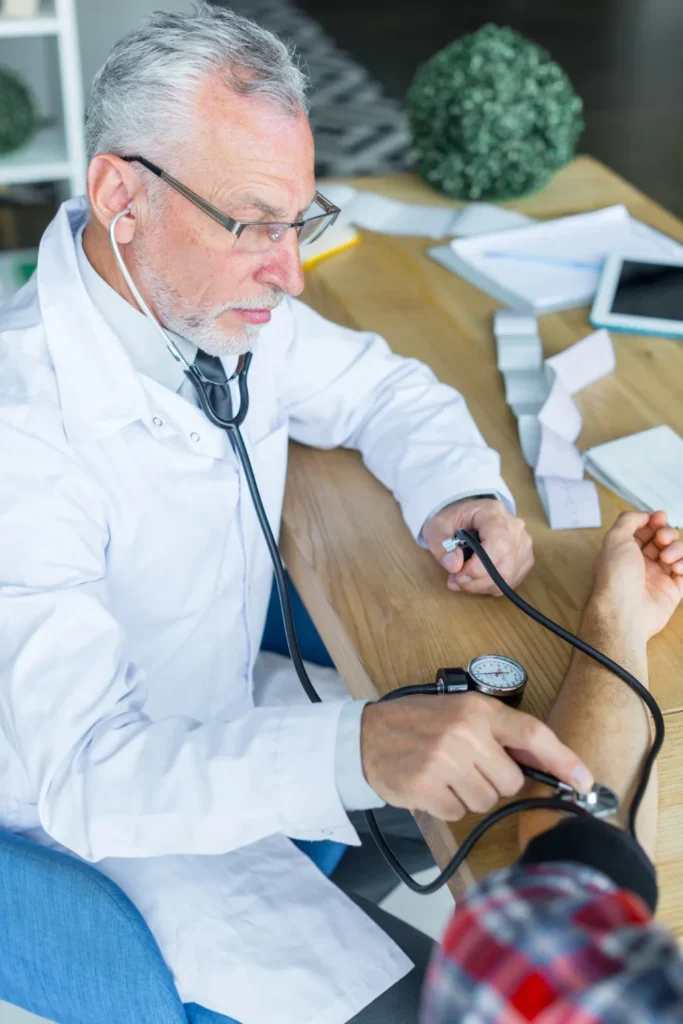
Stop all current physical activity and sit down immediately to prevent a dangerous fall. Call your local emergency medical services right away and clearly describe your physical symptoms.
Do not ignore the warning signs or quietly hope the chest pressure simply passes. Take a regular adult aspirin if your emergency dispatcher or primary doctor explicitly advises it.
Prevention of Mini Heart Attacks
You can effectively prevent vascular disease through highly aggressive daily lifestyle modifications. Strict blood pressure control remains the absolute most important preventative measure you can take.
You must consume a heart-healthy diet rich in fresh vegetables, lean proteins, and whole grains. Engaging in regular, vigorous cardiovascular exercise keeps your blood vessels incredibly flexible and strong.
Common Mistakes to Avoid
The deadliest mistake involves stubbornly assuming your chest tightness is just daily stress or anxiety. Delaying professional medical care destroys precious heart muscle that can never grow back.
Many patients also make the fatal error of skipping their prescribed heart medications. You must take your blood thinners and statins exactly as your clinical cardiologist directed.
Frequently Asked Questions
What is a mini heart attack medically called?
Doctors officially call this specific medical event a NSTEMI, which stands for non-ST elevation myocardial infarction. It represents a partial blockage of a vital coronary blood vessel.
Can you have a heart attack and not know it?
Yes, silent heart attacks happen frequently without causing any obvious physical pain or distress. Doctors often discover the permanent muscle damage much later during a routine electrical EKG.
How long do mini heart attack symptoms usually last?
The physical symptoms can last anywhere from a few minutes to several agonizing hours. The chest discomfort sometimes fades away completely and then unexpectedly returns later.
Does a minor cardiac event cause permanent damage?
Yes, a partial arterial blockage absolutely causes permanent, irreversible death of the starved muscle tissue. However, fast medical intervention severely limits the total size of this internal scar.
How do doctors treat a NSTEMI?
Doctors aggressively treat this condition using strong blood thinners, statin medications, and strict blood pressure control. Sometimes, a surgical stent is required to manually prop the narrowed artery completely open.
Conclusion
Recognizing mini heart attack symptoms early gives you the best possible chance of long-term survival. These partial arterial blockages serve as a terrifying, yet life-saving, warning from your struggling body.
You must always prioritize sudden, unusual physical discomfort over your daily schedule or personal pride. Trust your internal instincts and demand a thorough medical evaluation if you suspect vascular trouble.
Aggressively manage your daily blood pressure, take your medications, and stay highly active. Your heart muscle relies entirely on your smart, preventative health choices to keep beating strong.
Evidence-Based References:
Related Posts

MORE from Author
Read More As a physician specializing in exercise science and public health, I regularly consult patients who feel completely lost in the…
 Just last week, a 34-year-old patient named Clara sat in my clinic, feeling entirely overwhelmed by the modern fitness industry.…


 Hello, I am Dr. Kenji Sato, MD, specializing in sports medicine and performance optimization. In my sports clinic, I constantly…
- In my clinical practice as a physician focused on exercise science, I often tell patients that mastering fitness bench workouts…