
How to Deal With Stress: 12 Proven Ways to Manage Stress, Anxiety, and Overwhelm

Life throws daily curveballs, and knowing how to deal with stress is essential for maintaining your physical and mental well-being. Whether you are facing heavy workplace expectations, academic pressures, or personal challenges, finding effective relief is critical.
While consulting with a licensed clinical therapist recently, we discussed the recovery of a 34-year-old project manager who successfully reversed his severe burnout. His journey clearly revealed that ignoring early, minor signs of tension inevitably leads to deeply debilitating physical and emotional symptoms.
Without proper intervention, temporary overwhelm quickly spirals into chronic, paralyzing exhaustion that disrupts your entire life. As a result, this comprehensive guide provides actionable, science-backed strategies to help you regain control and build lasting mental resilience.
Moreover, you can start your stress-free routine today by understanding exactly how your body processes tension.
What Is Stress and Why It Happens
Understanding the root cause of your emotional overwhelm is the first step in managing stress effectively. Biologically, stress is your body’s natural reaction to any demand or perceived threat, triggering the famous “fight-or-flight” response.
When you feel threatened, your nervous system releases a flood of stress hormones, including adrenaline and cortisol. These hormones temporarily increase your heart rate, elevate your blood pressure, and boost your energy supplies to handle immediate danger, which can sometimes temporarily mimic the symptoms of high blood sugar.
Acute stress is short-term and can actually be helpful, like keeping you focused during a presentation or hitting a deadline. However, chronic stress occurs when your body remains in this heightened state of alert for weeks or months.
Figuring out how to deal with stressful situations promptly prevents this prolonged hormonal exposure from damaging your overall health.
What Are the 7 Warning Signs of Stress?
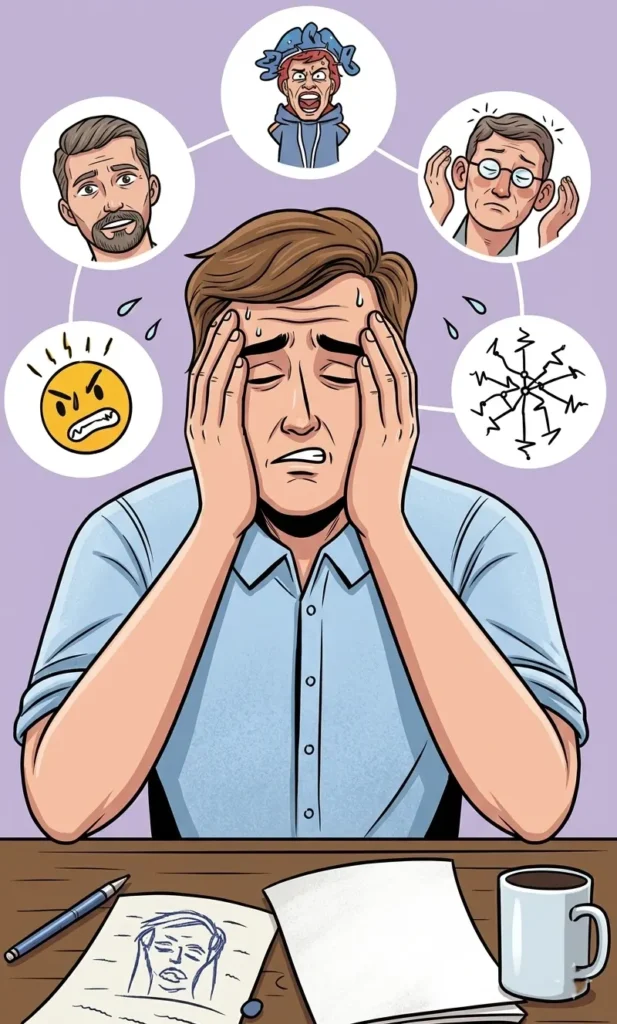
Recognizing the physical and emotional red flags of overwhelm can stop burnout before it completely halts your life. If you are wondering, “What are 7 warning signs of stress?” look for these common clinical indicators:
- Constant fatigue: Feeling completely drained even after sleeping.
- Irritability or anger: Having a very short temper with loved ones.
- Trouble sleeping: Experiencing racing thoughts that cause insomnia.
- Difficulty concentrating: Struggling to focus on basic daily tasks.
- Frequent headaches or body pain: Holding tension in your jaw, neck, or back.
- Changes in appetite: Engaging in severe stress eating or losing your appetite entirely.
- Anxiety or low mood: Feeling persistently overwhelmed, sad, or incredibly anxious.
If you are currently researching how to deal with stress and anger, these signs indicate that your nervous system is completely overloaded and requires immediate intervention.
Why Can’t I Handle Stress Anymore?
Many individuals eventually reach a breaking point where minor inconveniences trigger massive emotional meltdowns. If you find yourself frequently asking, “Why can’t I handle stress anymore?” you are likely experiencing severe clinical burnout.
Burnout happens when you endure prolonged emotional overload without having adequate periods of rest and recovery. Over time, your brain’s emotional regulation centers become fatigued, and your usual coping tools simply stop working effectively.
Learning how to deal with chronic stress requires acknowledging that your “battery” is entirely depleted. When your personal reserves are empty, you must step back, reassess your boundaries, and actively seek professional help to rebuild your resilience safely.
12 Proven Methods to Deal With Stress
Building a reliable toolkit of coping mechanisms ensures you are prepared for whatever challenges life presents.
If you are searching for what 12 ways to deal with stress are, or even just 10 ways to cope with stress, these methods are clinically proven to work. Here are the most effective methods to deal with stress on a daily basis:
Deep Breathing Techniques
Slow, deliberate breathing immediately signals your nervous system to calm down. Techniques like box breathing (inhale for four seconds, hold for four, exhale for four, hold for four) rapidly lower your circulating cortisol levels.
Physical Exercise
Movement is one of the most powerful stress relievers available to the human body. Whether it is a brisk walk, weightlifting, or yoga, exercise actively burns off excess adrenaline and releases feel-good endorphins.
Time Management
Feeling rushed is a massive trigger for daily anxiety and overwhelm. Using planners, breaking large projects into smaller tasks, and learning to say “no” protects your schedule and reduces chronic urgency.
Mindfulness and Meditation
Staying anchored in the present moment prevents your mind from spiraling into future anxieties. Just ten minutes of daily mindfulness meditation actively reshapes the brain to handle pressure more effectively.
Social Support
Humans are highly social creatures, and isolation amplifies emotional pain. Talking through your problems with a trusted friend, family member, or support group provides immediate perspective and emotional validation.
Healthy Sleep Habits
Sleep deprivation makes it neurologically impossible to regulate your emotions properly. Prioritizing seven to nine hours of quality sleep creates a strong foundation for mental resilience the following day.
Balanced Nutrition
A diet heavy in processed sugars causes extreme blood sugar spikes and crashes, worsening anxiety and leaving you wondering what to do when blood sugar is high. Fueling your body with complex carbohydrates, lean proteins, and healthy fats keeps your energy and mood stable.
Journaling
Writing down your anxious thoughts physically moves them out of your head and onto paper. This practice helps you identify specific triggers and process heavy emotions rather than suppressing them.
Limiting Caffeine and Alcohol
Excessive caffeine mimics the physical symptoms of a panic attack, while alcohol is a central nervous system depressant. Reducing both prevents artificial spikes in your anxiety and stabilizes your baseline mood.
Digital Detox
Constant exposure to negative news cycles and social media comparisons heavily drains your mental energy. Setting strict boundaries around your screen time gives your brain a necessary break from constant stimulation.
Cognitive Behavioral Strategies
This involves identifying and challenging your own negative thought patterns. By reframing catastrophic thinking into realistic, manageable thoughts, you can actively lower your emotional response to difficult situations.
Professional Help
Sometimes, self-care routines are simply not enough to combat severe burnout. Consulting a licensed therapist provides you with personalized, evidence-based tools to navigate profound emotional overwhelm safely.
How to Relieve Stress Quickly
When you are in the middle of a high-pressure situation, you need instant emotional regulation techniques. If you want to know how to relieve stress quickly, utilize these rapid nervous system resets:
- Take 5 slow deep breaths: Inhale deeply through your nose and exhale slowly through your mouth.
- Step outside for fresh air: A sudden change in environment and temperature interrupts racing thoughts.
- Drink water: Dehydration physically mimics the symptoms of anxiety; a cold glass of water is incredibly grounding.
- Stretch your body: Release built-up physical tension by rolling your neck and shoulders.
- Listen to calming music: Binaural beats or classical music can physically lower your heart rate in minutes.
How to Deal With Stress and Anxiety
While they are often mentioned together, it is important to understand the distinct difference between these two conditions.
Stress is typically caused by an external trigger, like a looming deadline, while anxiety is characterized by persistent, excessive worries that remain even without a stressor and can sometimes overlap with symptoms of ADHD.
Learning how to deal with stress and anxiety simultaneously requires grounding techniques that bring your mind back to the present. If you are struggling with how to deal with anxiety, cognitive behavioral therapy (CBT) is highly effective for identifying irrational fear patterns.
Figuring out how to deal with anxiety and stress starts with regulating your nervous system through consistent deep breathing and daily mindfulness exercises.
How to Deal With Stress and Depression
Prolonged periods of severe pressure can entirely deplete your emotional reserves, often leading directly to depressive episodes. Knowing how to deal with stress and depression requires a multi-layered approach, emphasizing strict daily routines and strong social support.
When you feel hopeless, simple tasks become overwhelmingly difficult, so focus purely on small, achievable daily goals. It is vital to seek a licensed therapist if you lose interest in your favorite activities or experience persistent sadness.
How to Deal With Extreme Stress and Anxiety
Certain life events, such as trauma or sudden loss, trigger overwhelming panic that standard coping mechanisms cannot handle. If you need to know how to deal with extreme stress and anxiety, emergency grounding exercises are your first line of defense.
The “5-4-3-2-1” sensory method helps anchor you: identify five things you can see, four you can touch, three you can hear, two you can smell, and one you can taste.
In addition, understanding how to cope with extreme stress often requires immediate medical or psychiatric professional intervention to stabilize your nervous system safely.
How to Deal With Stress at Work
The modern corporate environment frequently demands unreasonable hours, leading directly to severe employee burnout. To learn how to deal with stress at work, you must begin by setting firm, unapologetic boundaries around your personal time.
If you are figuring out how to deal with work stress, prioritize your tasks ruthlessly and communicate realistic deadlines to your management team. Taking actual, screen-free lunch breaks is vital for learning how to deal with stress in the workplace and maintaining afternoon productivity.
How to Deal With Stress in College and School
College Stress
University life presents a unique combination of intense academic pressure, financial burdens, and sudden independence. To understand how to deal with stress in college, students must treat their education like a structured nine-to-five job.
Mastering how to deal with college stress involves using detailed study schedules, avoiding late-night cramming, and utilizing campus counseling resources early.
School Stress
Younger students frequently face overwhelming pressure to perform perfectly on standardized tests while navigating complex social dynamics. For teenagers figuring out how to deal with stress at school, breaking large assignments into manageable daily chunks prevents severe procrastination.
Parents can help children learn how to deal with school stress by validating their academic anxieties rather than dismissing them.
Knowing how to deal with school stress and anxiety, or how to deal with stress from school, requires answering the question- is 6 hours of sleep enough and prioritizing actual rest over late-night studying.
How to Deal With Stress in Relationships and Marriage
Interpersonal conflicts are emotionally exhausting and can deeply affect your physical health if left unresolved. Figuring out how to deal with stress in a relationship starts with open, entirely honest communication without assigning immediate blame.
If you are navigating how to deal with relationship stress, practice active listening and always take a “time-out” if arguments become overly heated. Understanding how to deal with stress in marriage often involves couples counseling to establish healthier, long-term conflict resolution patterns.
How to Deal With Parenting and Financial Stress
Raising children while managing a household budget is widely considered one of life’s most challenging balancing acts. To learn how to deal with parenting stress, you must lower your expectations for perfection and actively ask your support system for help.
If you are struggling with how to deal with financial stress, creating a strict, transparent monthly budget provides an immediate sense of control over your debt.
How to Deal With Stress Without Alcohol
Many adults mistakenly use heavy drinking as a quick, accessible way to numb their daily emotional overwhelm. However, knowing how to deal with stress without alcohol is critical because alcohol actually spikes anxiety chemicals as it leaves your bloodstream.
Replace the evening glass of wine with healthy coping alternatives like herbal tea, a warm bath, or an engaging hobby to truly relax.
How to Deal With Stress Eating
Using sugary, highly processed comfort foods to soothe emotional pain creates a dangerous, self-defeating cycle. Understanding how to deal with stress eating requires identifying your specific emotional triggers before the binge occurs.
Mindful eating strategies, like drinking water and waiting ten minutes before snacking, help break this destructive physical habit.
How to Deal With Stress After Quitting Smoking
Nicotine withdrawal physically mimics severe anxiety, making the first few weeks of quitting incredibly difficult. To learn how to deal with stress after quitting smoking, you must replace the physical habit of smoking with deep breathing or chewing sugar-free gum.
Recognize that these extreme cravings are temporary, and your baseline anxiety will actually plummet once the withdrawal phase ends.
How Stress Affects Your Body
Stress Acne
When cortisol levels spike, your skin overproduces oil, leading to severe, painful breakouts along the jawline. Figuring out how to deal with stress acne requires a gentle, non-irritating skincare routine and prioritizing daily hormonal regulation through adequate sleep.
Stress Dreams
High anxiety often ruins your sleep architecture, resulting in vivid, exhausting, and highly chaotic nightmares. Knowing how to deal with stress dreams involves establishing a strict, screen-free evening routine to calm your subconscious mind before bed.
How to Deal With Emotional Stress and Anger
Unprocessed tension frequently masquerades as sudden, explosive rage directed at innocent bystanders. If you want to know how to deal with emotional stress, you must find healthy physical outlets for that aggressive energy, like intense cardiovascular exercise.
How to Deal With Stress for Kids and Teenagers

Children lack the neurological development to process heavy emotional burdens without active adult guidance. Teaching a child how to deal with stress for kids involves modeling healthy emotional regulation yourself and maintaining predictable daily routines.
For parents wondering how to deal with stress as a teenager, validate their complex social pressures and encourage strict boundaries around their social media usage.
How to Deal With Stress in Islam
For many Muslims, faith provides a powerful, deeply comforting framework for navigating life’s most difficult hardships. In this context, understanding how to deal with stress in Islam centers heavily around the daily practice of prayer (Salah) to ground the mind.
Furthermore, practicing profound patience (Sabr) and maintaining absolute trust in God’s ultimate plan (Tawakkul) are essential spiritual coping mechanisms.
How to Deal With Stress in a Healthy Way
Ultimately, navigating life’s pressures requires building a sustainable lifestyle rather than relying on quick, temporary fixes. Knowing how to deal with stress in a healthy way means prioritizing your physical health, setting firm boundaries, and practicing daily self-compassion.
Best Books and Resources for Stress Management
Educating yourself through literature is a fantastic way to discover new, highly effective emotional regulation strategies. If you are looking for a good how to deal with stress book, “The Body Keeps the Score” by Bessel van der Kolk is highly recommended.
Additionally, exploring how to deal with stress Reddit threads can provide excellent, user-generated insights and relatable community support.
When to Seek Professional Help
If your coping mechanisms are failing and your daily functioning is severely impaired, it is time to escalate your care. Chronic panic attacks, severe insomnia, or persistent depressive thoughts are clear medical signs that you require clinical support. Talk to a professional today to build a personalized, highly effective recovery plan.
Frequently Asked Questions
What are 7 warning signs of stress?
The primary indicators include constant fatigue, irritability, trouble sleeping, difficulty concentrating, frequent headaches, changes in appetite, and persistent anxiety.
Why can’t I handle stress anymore?
You are likely experiencing severe clinical burnout, meaning your emotional regulation centers are entirely depleted from prolonged periods of unmanaged pressure.
How to relieve stress quickly?
Take five slow, deep breaths, step outside for fresh air, drink a cold glass of water, and stretch your body to reset your nervous system instantly.
How to cope with extreme stress?
Utilize grounding techniques like the 5-4-3-2-1 sensory method, immediately step away from the trigger, and seek professional psychological intervention for safety.
What are the five stress management techniques?
The most clinically effective methods include deep breathing exercises, regular physical activity, daily mindfulness, strict time management, and seeking social support.
Conclusion
Dealing with stress is a lifelong journey, not an overnight fix. While you cannot eliminate every source of tension from your life, you can absolutely control your physical and emotional responses. Implementing these proven techniques builds a powerful, resilient buffer against future burnout and exhaustion.
Start your stress-free routine today by choosing just one or two small habits, like deep breathing or a brief evening walk. Consistency is far more important than perfection when it comes to actively rewiring your nervous system.
Reclaiming your peace of mind is entirely within your reach if you take it one step at a time. If your current coping mechanisms are failing, please do not hesitate to talk to a professional to build a personalized recovery plan.
You can also download our free stress checklist to help identify your specific daily triggers and track your emotional progress. Remember that seeking support is a sign of profound strength, and you do not have to navigate this overwhelm alone.
Evidence-Based References:
Related Posts






MORE from Author
Read More As a physician specializing in exercise science and public health, I regularly consult patients who feel completely lost in the…
 Just last week, a 34-year-old patient named Clara sat in my clinic, feeling entirely overwhelmed by the modern fitness industry.…


 Hello, I am Dr. Kenji Sato, MD, specializing in sports medicine and performance optimization. In my sports clinic, I constantly…
- In my clinical practice as a physician focused on exercise science, I often tell patients that mastering fitness bench workouts…