
Symptoms of High Blood Sugar: Early Warning Signs, Causes, and When to Take Action

Have you ever felt a sudden, unquenchable thirst that no amount of water could satisfy, leaving you wondering about the early symptoms of high blood sugar? Or perhaps you have noticed a persistent, heavy “brain fog” that makes finishing your normal daily tasks feel like climbing a massive mountain.
Many of my patients describe experiencing these exact, frustrating feelings when they first visit my clinic searching for answers. High blood sugar, clinically referred to as hyperglycemia, occurs when your body either lacks the necessary insulin or has lost the ability to use it effectively.
While most people immediately associate these metabolic issues with a formal diabetes diagnosis, that is not the complete picture. These dangerous spikes can frequently affect individuals without any prior medical history during times of extreme physical stress, severe illness, or while taking specific prescription medications.
Ignoring these subtle warning flags allows excess glucose to silently damage your blood vessels and vital organs over time. In this comprehensive medical guide, we will explore the specific signs and symptoms of high blood sugar and detail exactly how they manifest differently across various age groups and health backgrounds.
We will also discuss the hidden triggers behind symptoms of high blood sugar, clearly outlining when a temporarily elevated glucose reading transforms from a manageable daily concern into an immediate, life-threatening medical emergency requiring urgent intervention.
What Is High Blood Sugar?
Before diving into the specific symptoms of high blood sugar levels, it is vital to understand the physiology. Hyperglycemia occurs when glucose—the sugar your body uses for fuel—builds up in the bloodstream instead of being absorbed by your cells.
This imbalance is usually caused by insulin resistance, where cells ignore insulin, or insulin deficiency, where the pancreas doesn’t make enough. During a recent interview with a patient named David, he was surprised to learn that his sugar was high despite not eating sweets.
I explained that stress hormones like cortisol can trigger the liver to dump sugar into the blood, even without food.
| Blood Sugar Level | Clinical Meaning | Action Required |
| 70–99 mg/dL | Normal Fasting | Maintain current lifestyle. |
| 100–125 mg/dL | Prediabetes | Focus on diet and exercise. |
| 126–180 mg/dL | Elevated | Monitor and stay hydrated. |
| 180+ mg/dL | High Blood Sugar | Follow your medical care plan. |
| 300+ mg/dL | Dangerous | Contact your physician immediately. |
What Are the Symptoms of High Blood Sugar?
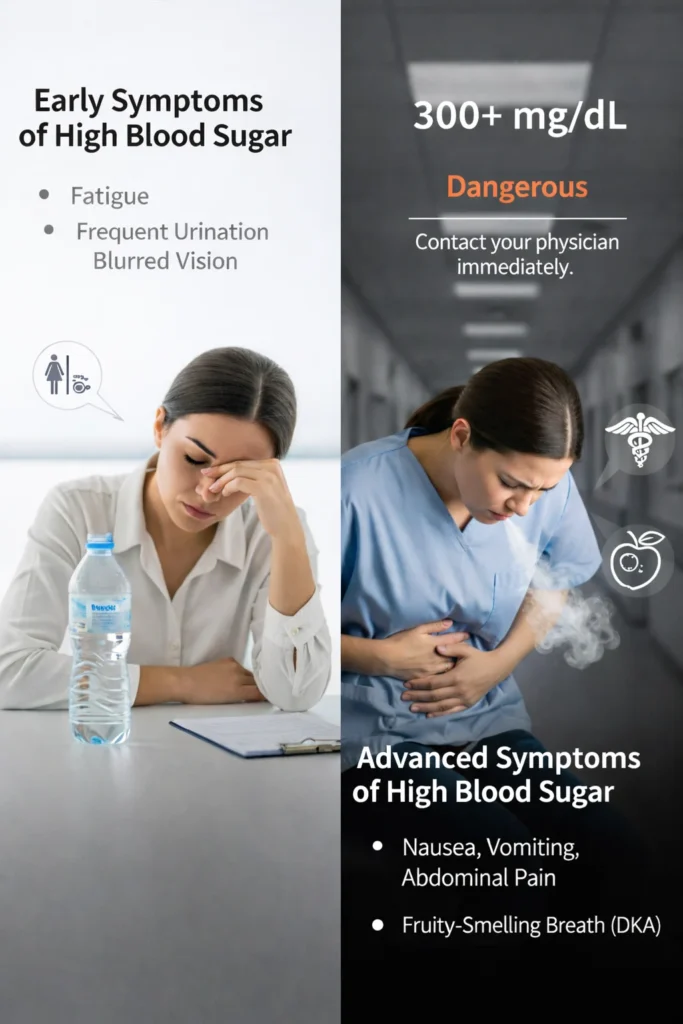
Recognizing the signs of too high blood sugar early can prevent long-term damage to your nerves and blood vessels. In my practice, I categorize these into early warnings and advanced emergency signs.
Early Symptoms of High Blood Sugar
The earliest symptoms of high blood sugar levels are often subtle. You might feel a bit more tired than usual or notice that you are reaching for your water bottle every ten minutes.
- High Blood Sugar Fatigue: This happens because your cells are starving for energy, even though your blood is full of sugar.
- Frequent Urination: Your kidneys work overtime to filter and excrete the excess glucose.
- Blurred Vision: High glucose pulls fluid from the lenses of your eyes, affecting your focus.
Advanced Symptoms of High Blood Sugar
If glucose remains elevated for too long, the symptoms of too high blood sugar become more severe. You may experience nausea, vomiting, or abdominal pain.
A particularly dangerous sign is “fruity-smelling breath.” This indicates that your body is burning fat for fuel, creating acidic ketones. This condition, known as diabetic ketoacidosis (DKA), is a medical emergency that requires immediate hospital intervention.
What Are the 5 Signs Your Blood Sugar Is Too High?
For those looking for a quick checklist, these are the five primary signs and symptoms of high blood sugar that I tell every patient to memorize:
- Extreme Thirst: Feeling like your mouth is made of cotton.
- Frequent Urination: Needing to go multiple times throughout the night.
- Fatigue: A deep, “heavy” exhaustion that doesn’t go away with sleep.
- Blurred Vision: Sudden changes in your ability to read or see clearly.
- Headaches: Often caused by the dehydration associated with high sugar.
By identifying these symptoms of having high blood sugar early, you can take steps to hydrate and move before the situation worsens.
Symptoms of High Blood Sugar in Women
While the general signs are similar, symptoms of high blood sugar in women can involve unique biological markers. Hormonal shifts during the menstrual cycle or menopause can cause glucose to fluctuate wildly.
Women with chronic hyperglycemia often experience frequent yeast infections or urinary tract infections (UTIs). This happens because high sugar levels in the urine provide a perfect breeding ground for bacteria and fungi. Furthermore, fatigue and irritability are often heightened during hormonal shifts.
Symptoms of High Blood Sugar in Men
In my clinical experience, symptoms of high blood sugar in men often manifest in ways that are easily mistaken for “just getting older.”
One of the most common but underreported symptoms is erectile dysfunction (ED). High glucose damages the small blood vessels and nerves responsible for blood flow. Men may also notice a loss of muscle mass and increased abdominal fat, even if their diet hasn’t changed significantly.
Symptoms of High Blood Sugar in Kids
Detecting symptoms of high blood sugar in kids requires a sharp eye. Children, especially those developing Type 1 diabetes, can become ill very quickly.
Watch for “the three Ps”: Polydipsia (thirst), Polyuria (urination), and Polyphagia (extreme hunger). A major red flag in younger children is sudden bed-wetting in a child who was previously dry at night. If your child is constantly tired and losing weight without trying, consult a pediatrician immediately.
Symptoms of High Blood Sugar in Non-Diabetics
You might wonder, what are the symptoms of high blood sugar if I don’t have diabetes? It is a great question. Temporary hyperglycemia can happen to anyone.
Symptoms of high blood sugar in non-diabetics are often triggered by:
- Severe Stress: Such as a car accident or a high-pressure job.
- Medications: Steroids like prednisone are the most common culprits.
- Infections: Even a severe case of the flu can cause glucose to spike.
If you feel sudden “brain fog” or extreme thirst while taking new medications, ask your doctor to check your glucose levels.
Symptoms of High Blood Sugar in Pregnancy
Expectant mothers should be very aware of the symptoms of high blood sugar during pregnancy. This is often called gestational diabetes.
While some fatigue is normal during pregnancy, symptoms of high blood sugar while pregnant include excessive thirst and unusual swelling.
Most women are screened between 24 and 28 weeks. However, if you notice blurred vision or extreme exhaustion earlier, don’t wait for your scheduled test. Managing symptoms of high blood sugar, such as gestational diabetes, is vital for the health of both mom and baby.
Skin Changes and Nerve Symptoms from High Blood Sugar
When glucose remains elevated for long periods, it begins to affect the body’s largest organ: the skin. In my practice, I often identify undiagnosed hyperglycemia just by looking at a patient’s hands or neck. Skin changes and high blood sugar triggers are often the first visible indicators of insulin resistance.
One common sign is Acanthosis nigricans, which appears as dark, velvety patches of skin in the folds of the neck, armpits, or groin. Additionally, you might notice that small cuts or bruises take an unusually long time to heal. High sugar impairs blood circulation and prevents nutrients from reaching wounds, which increases the risk of infection.
Nerve symptoms are equally critical. High blood sugar can cause persistent numbness in your toes or fingers.
This tingling or burning sensation, known as peripheral neuropathy, happens because chronic high glucose “stews” the nerve fibers. If you notice these sensations, it is a clear sign that your sugar levels need immediate clinical attention.
What Causes High Blood Sugar Levels?
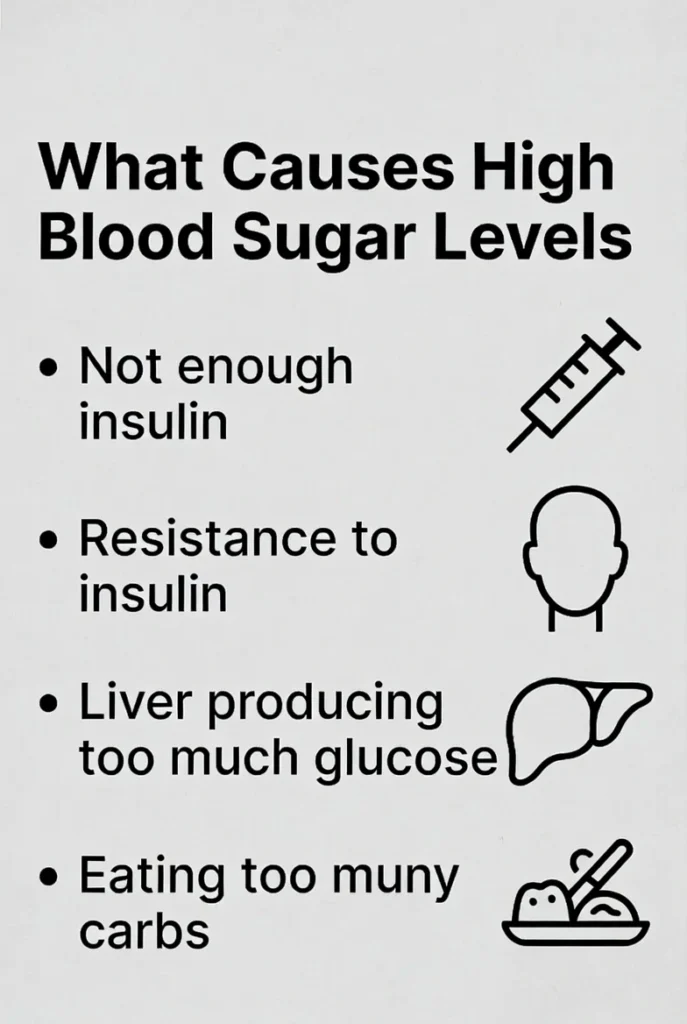
Understanding the “why” behind a spike is just as important as recognizing the symptoms. While most people point to sugar intake, What Causes High Blood Sugar Levels? The Surprising Reasons You Never Knew often involve lifestyle factors you might overlook.
- Dehydration: When you don’t drink enough water, the glucose in your blood becomes more concentrated.
- Lack of Sleep: Just one night of poor sleep can make your body more resistant to insulin.
- Sunburn: Physical pain and the stress of a burn can trigger a glucose rise.
- Gum Disease: Oral infections are a hidden cause of persistent hyperglycemia.
- Skipping Breakfast: For some, skipping a morning meal can cause a midday spike as the liver releases stored sugar.
Managing these factors is essential. I once worked with a patient who couldn’t stabilize her sugar until we treated a silent sinus infection. Once the infection cleared, her symptoms of high blood sugar vanished.
What Is a Dangerous Level of Blood Sugar?
Knowing what a dangerous level of blood sugar is can be the difference between a home fix and a hospital stay. While everyone’s “normal” varies, medical guidelines are very clear about emergency thresholds.
| Blood Sugar Level | Risk Level | Medical Context |
| 180–240 mg/dL | High | Requires hydration and monitoring. |
| 240–300 mg/dL | Very High | Check for ketones (especially Type 1). |
| 300–400 mg/dL | Dangerous | Contact your doctor immediately. |
| 400+ mg/dL | Emergency | Seek immediate ER care. |
At levels above 300 mg/dL, you are at risk for life-threatening complications like DKA. If your meter reads “HI,” it usually means your sugar is over 600 mg/dL. In this case, do not retest; go straight to the emergency room.
Symptoms of Low Blood Sugar vs High Blood Sugar
It is common for patients to confuse the two, but the treatment for each is the exact opposite. Understanding what the symptoms of high and low blood sugar are is a vital safety skill.
| Condition | Common Symptoms | Immediate Action |
| High Sugar | Thirst, fatigue, frequent urination. | Drink water and take insulin. |
| Low Sugar | Shakiness, sweating, confusion, hunger. | Eat 15g of fast carbs (juice/tabs). |
If you feel “off” but don’t have a meter, treat for low blood sugar first if you are on insulin, as “lows” are more immediately dangerous. However, the best practice is always to “test, don’t guess.”
Frequently Asked Questions
What are the 10 warning signs of diabetes?
The ten most common warning signs of diabetes include experiencing excessive thirst, needing frequent urination, and noticing unexplained weight loss. Patients also report extreme hunger, sudden blurred vision, slow-healing sores, and frequent skin or yeast infections. Finally, persistent fatigue, unexplained irritability, and tingling sensations in the hands or feet are critical indicators to watch.
What are some symptoms of high blood sugar?
Common symptoms of high blood sugar include feeling intensely parched and needing to use the bathroom much more frequently than usual. You might also experience a persistent, dull headache and significant difficulty concentrating, often described as brain fog. Finally, feeling physically drained and completely exhausted, even after adequate rest, is a major warning sign.
What causes high blood sugar without diabetes?
High blood sugar in non-diabetic individuals is frequently triggered by experiencing a severe illness, sudden physical trauma, or a major infection. Additionally, taking high-dose steroid medications can artificially spike glucose. Finally, enduring chronic, extreme stress forces your body to maintain elevated cortisol levels, which continuously prompts your liver to release extra sugar into your bloodstream.
How do you feel when your sugar is high?
When your blood sugar spikes, you will likely experience a distinctively heavy and sluggish feeling in your limbs. Most people also describe suffering from a severely dry mouth that simply will not go away with water. Furthermore, you may feel a very specific type of bodily fatigue where you are simultaneously completely exhausted yet physically restless.
Can high blood sugar cause skin rashes?
Yes, consistently high blood sugar can absolutely cause various skin issues, including severely itchy skin and stubborn dry patches. It also triggers specific dermatological conditions like disseminated granuloma annulare. This particular condition causes distinct, raised, ring-shaped rashes to appear on your skin, serving as a visible warning sign that your underlying glucose levels need immediate management.
Conclusion
Recognizing the symptoms of high blood sugar is your first line of defense in maintaining long-term health. Whether you are dealing with early thirst or more advanced signs of too high blood sugar, your body is providing you with vital data.
In my medical practice, I emphasize that hyperglycemia is not a failure—it is a signal that your management plan needs a tune-up. By staying hydrated, monitoring your levels, and understanding the symptoms of high blood sugar across different times of the day, you can stay in control.
If you consistently see numbers above your target range, don’t wait for a crisis. Reach out to your healthcare provider to discuss lifestyle changes or medication adjustments. Together, we can keep your levels stable and your body thriving.
Authoritative References
Related Posts






MORE from Author
Read More As a physician specializing in exercise science and public health, I regularly consult patients who feel completely lost in the…
 Just last week, a 34-year-old patient named Clara sat in my clinic, feeling entirely overwhelmed by the modern fitness industry.…


 Hello, I am Dr. Kenji Sato, MD, specializing in sports medicine and performance optimization. In my sports clinic, I constantly…
- In my clinical practice as a physician focused on exercise science, I often tell patients that mastering fitness bench workouts…