
What Is Normal Blood Sugar? Understanding Your Glucose Levels
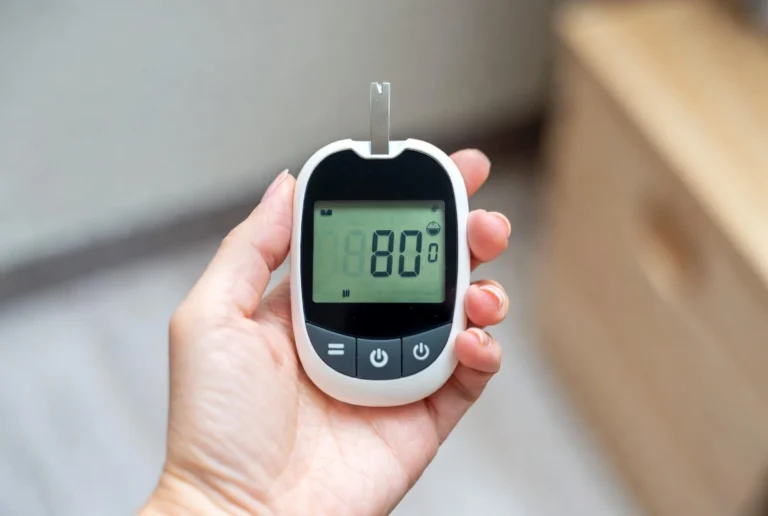
Have you ever pricked your finger or looked at a lab report and wondered if the number staring back at you was actually okay? You are certainly not alone. In my years as a physician, the question “What is normal blood sugar?”
It is easily one of the most common concerns I hear from patients during their annual physicals.
Blood sugar, or glucose, is the primary sugar found in your blood. It acts as the “gasoline” for your body’s cells, providing the energy needed for everything from thinking to running. However, like any fuel system, your body functions best when the levels stay within a specific, narrow window.
Maintaining a normal blood sugar level is critical because chronic deviations—whether too high or too low—can lead to long-term damage to your heart, kidneys, and nerves. In this guide, we will break down the latest clinical ranges, age-specific charts, and what science says about keeping your metabolic health on track.
How Blood Sugar Is Measured
To understand your metabolic health, we have to look at how we collect the data. When you visit a clinic for a glucose test, we aren’t just looking for a single number; we are looking for how your body handles sugar under different conditions.
In the United States, we measure glucose in milligrams per deciliter (mg/dL). Internationally, you may see millimoles per liter (mmol/L). Regardless of the units, the goal of these tests is to see how efficiently your pancreas and insulin are working to clear sugar from your bloodstream.
Types of Clinical Tests
The normal fasting blood sugar test is the gold standard. It requires you to abstain from food for at least eight hours. This tells us your “baseline” level without the influence of a recent meal.
Conversely, a random blood sugar test can be taken at any time. While less precise for diagnosis, a random blood sugar normal range should still generally stay under 140 mg/dL for most people. If it’s significantly higher, it signals that the body is struggling to regulate glucose.
| Test Type | Timing | Normal Range (Non-Diabetic) | Purpose |
| Fasting (FBS) | 8+ hours after eating | 70–99 mg/dL | Checks baseline health |
| HbA1c | Anytime | Below 5.7% | 3-month average |
| Postprandial | 2 hours after a meal | < 140 mg/dL | Checks meal response |
| Random | Anytime | < 140 mg/dL | Quick screening |
Normal Blood Sugar Ranges for Adults
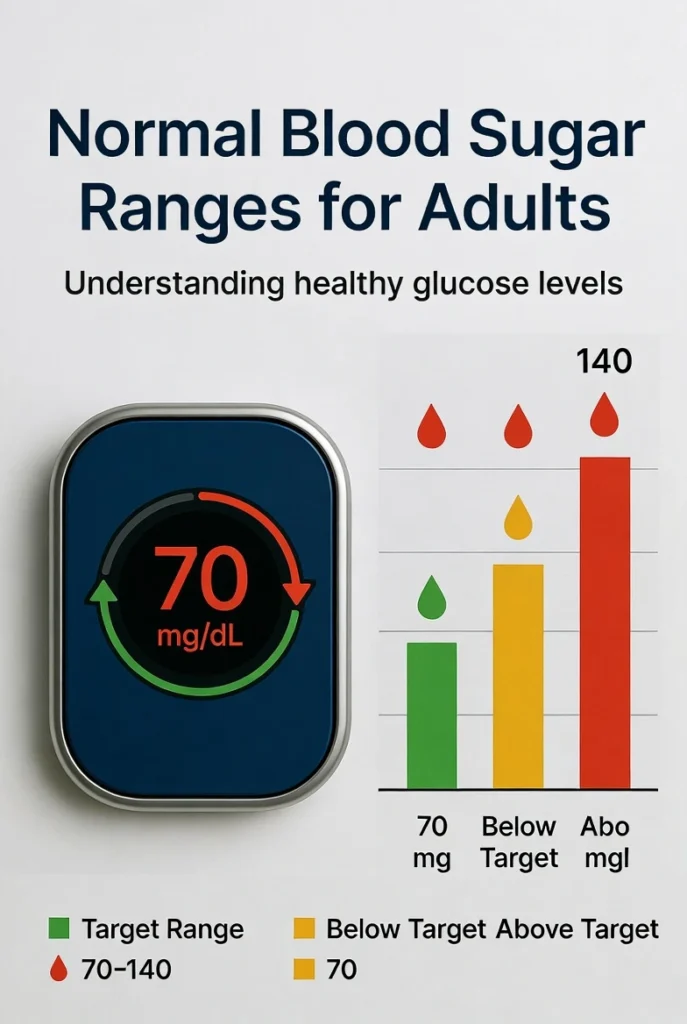
When patients ask, “What is the normal blood sugar range?” I usually start by defining the three distinct metabolic states: normal, prediabetes, and diabetes.
I recently worked with a patient named Robert, who was surprised to find his fasting sugar was 108 mg/dL. He felt fine, but that small jump out of the “normal” zone was a crucial early warning.
Fasting Blood Sugar
For a healthy adult, the normal fasting blood sugar is strictly between 70 and 99 mg/dL. If your results consistently fall between 100 and 125 mg/dL, you meet the clinical criteria for prediabetes. Anything 126 mg/dL or higher on two separate tests typically indicates diabetes.
Post-Meal Blood Sugar (2 Hours After Eating)
Your body should be able to process a meal and return to a safe level within two hours. This is what we call normal blood sugar after eating. For those without diabetes, this number should stay under 140 mg/dL.
If you see a normal blood sugar spike after eating that goes slightly above this but then drops quickly, it may just be the result of a high-carb meal. However, if it stays elevated, it suggests insulin resistance.
Random Blood Sugar
Even if you just ate a slice of cake, a healthy body rarely lets glucose exceed 140–160 mg/dL. A random blood sugar normal range is broadly considered to be under 140 mg/dL. If a random test shows 200 mg/dL or higher, it is a strong indicator that diabetes may be present.
Normal Blood Sugar by Age
Is a “normal” level the same for a 20-year-old athlete as it is for a 75-year-old grandfather? Not exactly. As we age, our bodies naturally become slightly more resistant to insulin. Consequently, the targets we set in the clinic often shift to account for age and overall frailty.
Normal Sugar Level by Age: Adults and Seniors
For most healthy adults under 60, we aim for the standard 70–99 mg/dL fasting range. However, for seniors (especially those over 75), we might be more lenient.
In older adults, the risk of “going too low” (hypoglycemia) is often more dangerous than a slightly elevated sugar level. For a 75-year-old male, I might consider a fasting level of 110 mg/dL perfectly acceptable if it prevents dizzy spells and falls.
| Age Group | Fasting Target | 2 Hours After Meal |
| Children (6–12) | 80–180 mg/dL | < 140 mg/dL |
| Teens (13–19) | 70–150 mg/dL | < 140 mg/dL |
| Adults (20–65) | 70–99 mg/dL | < 140 mg/dL |
| Seniors (65+) | 80–120 mg/dL | < 150 mg/dL |
Using a normal blood sugar level by age chart helps tailor treatment. It ensures we aren’t over-medicating older patients while still keeping younger patients in a range that prevents long-term complications.
Normal Blood Sugar for People With Diabetes
If you have already been diagnosed, the question changes to “What is normal blood sugar for a diabetic?” Your targets will be different because your “normal” is now a managed range designed to prevent complications.
Setting Realistic Targets
The American Diabetes Association (ADA) generally recommends that most non-pregnant adults with diabetes aim for a fasting (pre-meal) glucose of 80–130 mg/dL. Two hours after the start of a meal, the target is usually less than 180 mg/dL.
Diabetic Blood Sugar Levels Chart:
- Fasting/Pre-meal: 80–130 mg/dL
- Post-meal (1-2 hours): < 180 mg/dL
- Bedtime: 100–140 mg/dL
I often tell my patients that “perfection” is not the goal. Staying within these ranges most of the time is what keeps your A1c low and your heart healthy. If you see a blood sugar reading of 135 mg/dL before lunch, is it high? For a non-diabetic, yes. For a diabetic, it’s actually quite close to the target.
Low Blood Sugar (Hypoglycemia)
While we spend a lot of time talking about high blood sugar, we cannot ignore the dangers of low blood sugar. This condition, known as hypoglycemia, occurs when your glucose drops below 70 mg/dL.
Why Lows Are Dangerous
Your brain depends almost exclusively on glucose to function. When levels dip too low, you may feel shaky, sweaty, confused, or dizzy. If you reach a level of 54 mg/dL or lower, it is considered a medical emergency.
What to do when blood sugar is low:
- Eat 15g of fast-acting carbs: 4 oz of juice or 5 jellybeans.
- Wait 15 minutes: Re-test your sugar.
- Repeat if necessary: If still under 70 mg/dL, eat another 15 g.
Knowing what level of low blood sugar is dangerous is vital for anyone taking insulin. Always keep a “rescue snack” nearby, especially if you are active or skipping meals.
High Blood Sugar (Hyperglycemia) Explained
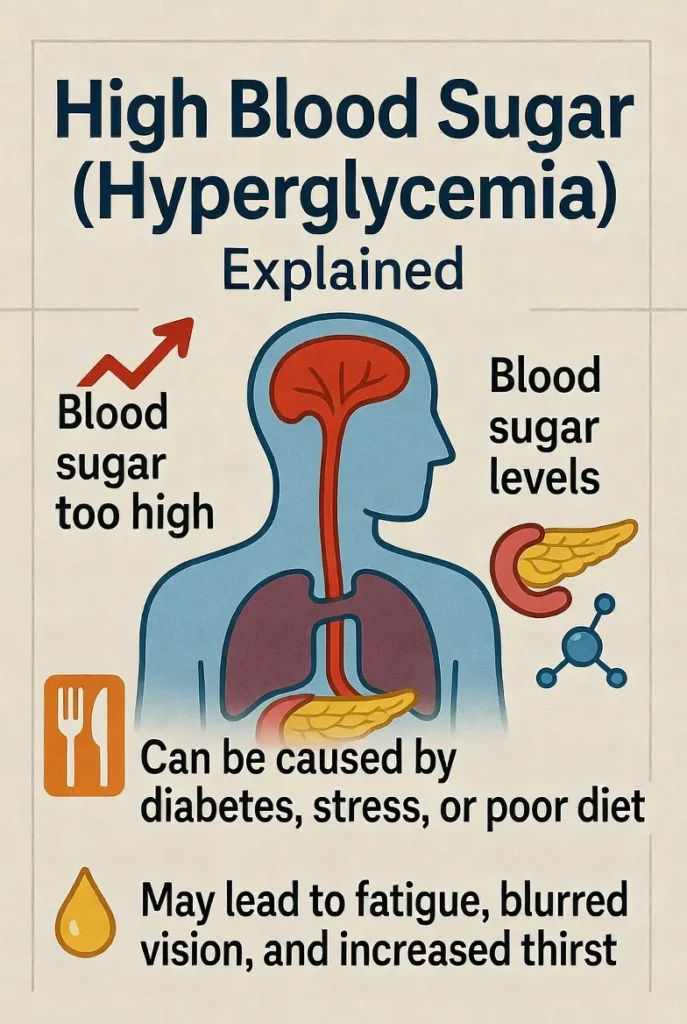
When we discuss high blood sugar, or hyperglycemia, we are looking at a state where the body cannot effectively clear glucose from the blood. Clinically, this is defined as a fasting level above 126 mg/dL or a post-meal level exceeding 180 mg/dL.
Chronic elevation is the primary driver of diabetes complications. Over time, excess sugar acts like “sand in a gearbox,” causing micro-vascular damage. In my clinic, I often see the long-term results of unmanaged high blood sugar ranges, such as nerve pain or vision changes.
Identifying Hyperglycemia Symptoms
High sugar can be insidious because the symptoms often develop slowly. You might not feel “sick” until your levels are significantly elevated. However, there are five classic signs to watch for.
What are 5 signs your blood sugar is too high?
- Frequent Urination: Your kidneys work overtime to filter excess sugar.
- Increased Thirst: As you lose fluids through urination, dehydration sets in.
- Blurred Vision: High glucose levels can cause the lens of the eye to swell.
- Fatigue: Even though there is sugar in the blood, it isn’t getting into the cells for energy.
- Unexplained Weight Loss: The body starts burning fat and muscle for fuel.
What level of blood sugar is dangerous? If your blood sugar reading consistently exceeds 240 mg/dL, you are at risk for ketoacidosis, a life-threatening emergency. If you experience fruity-smelling breath or vomiting, seek immediate care.
Blood Sugar After Eating Specific Foods
Many patients ask me, “What is normal blood sugar after eating a treat?” It is important to realize that not all carbohydrates are created equal. Different foods produce different “shapes” on a glucose graph.
The Ice Cream Effect
Take ice cream, for example. While it contains sugar, it also contains significant fat and protein. These “buffers” slow down the absorption of glucose. Consequently, normal blood sugar after eating ice cream might show a slower, more sustained rise compared to the sharp spike of a fat-free gummy candy.
Understanding Post-Meal Spikes
A normal blood sugar spike after eating should ideally peak within one hour and return to baseline within two to three hours. If you are metabolically healthy, your body handles this “surge” with a quick pulse of insulin.
| Food Category | Glycemic Impact | Expected 2-Hour Reading |
| Leafy Greens | Very Low | No significant change |
| Lean Protein | Low | Stable levels |
| White Rice/Bread | High | Significant spike |
| Whole Fruit | Moderate | Mild, controlled rise |
For a healthy adult, normal blood sugar 2 hours after eating a balanced meal should still fall under 140 mg/dL. If you consistently see numbers higher than this, it may be time to look at the glycemic index of your favorite snacks.
Frequently Asked Questions
What is normal blood sugar in the morning?
A normal fasting blood sugar in the morning for a healthy adult is between 70 and 99 mg/dL. If it is consistently 100 mg/dL or higher, it may indicate prediabetes.
What is a normal blood sugar level immediately after eating?
Immediately after a meal, it is normal for blood sugar to rise to 120–160 mg/dL. However, for a healthy person, it should begin to trend downward within an hour.
Is a blood sugar of 135 high?
If you are fasting, 135 mg/dL is high and meets the criteria for a diabetes diagnosis. If you just ate a large meal, 135 mg/dL is considered a normal blood sugar reading.
What is the normal blood sugar by age for a 70-year-old?
For a 70-year-old, a fasting range of 80–120 mg/dL is often considered acceptable. We allow for slightly higher ranges in seniors to prevent the danger of low blood sugar.
What is the normal blood sugar range for a diabetic?
The ADA suggests a pre-meal target of 80–130 mg/dL and a post-meal target of less than 180 mg/dL for most adults with diabetes.
Conclusion
In summary, what is normal blood sugar depends heavily on your age, health status, and when you last ate. For the average adult, staying between 70 and 99 mg/dL while fasting is the hallmark of good metabolic health.
As we have seen, glucose is a dynamic number. It responds to the food you eat, the stress you feel, and the sleep you get. While the normal blood sugar levels chart provides a helpful guide, the most important thing is your long-term trend.
If you are concerned about your blood sugar reading, don’t wait for symptoms to appear. Early detection through a simple glucose test can make all the difference. Work closely with your healthcare provider to find the targets that are right for your body and your life.
Authoritative & References
Related Posts






MORE from Author
Read More As a physician specializing in exercise science and public health, I regularly consult patients who feel completely lost in the…
 Just last week, a 34-year-old patient named Clara sat in my clinic, feeling entirely overwhelmed by the modern fitness industry.…


 Hello, I am Dr. Kenji Sato, MD, specializing in sports medicine and performance optimization. In my sports clinic, I constantly…
- In my clinical practice as a physician focused on exercise science, I often tell patients that mastering fitness bench workouts…