
Healthy Diet: Plans, Foods & Lifestyle Tips
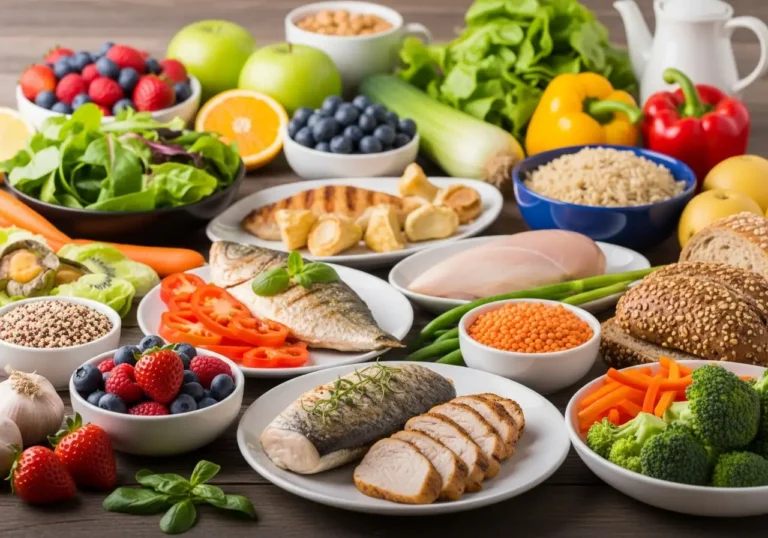
Starting a healthy diet plan is the single most effective way to take control of your long-term wellness. In my years of clinical practice, I have seen how a balanced diet can outperform many medications in preventing chronic conditions like type 2 diabetes and hypertension.
However, with so much conflicting advice online, many Americans feel overwhelmed and stuck.
This guide simplifies the science of nutrition by focusing on nutrient-dense, healthy diet foods that fuel your body correctly. We explore evidence-based programs, from the heart-healthy Mediterranean diet to specialized plans for pregnancy and weight loss.
By understanding healthy diet nutrition, you can stabilize your energy, improve mental clarity, and maintain a healthy weight without extreme restriction.
Whether you are looking for a 7-day diet plan or simply want to understand what a healthy diet is, this MD-reviewed resource provides the actionable tips you need to succeed. Your journey to a more vibrant, healthy lifestyle starts with the very next meal.
What is a healthy diet?
A healthy diet is a pattern of eating that provides all the essential nutrients your body requires to thrive. This includes a mix of macronutrients—carbohydrates, proteins, and fats—alongside vital micronutrients like vitamins and minerals.
A truly balanced diet does not require extreme restriction or the total elimination of entire food groups. Instead, it focuses on portion control and the quality of the ingredients you consume daily.
Five Signs of a Healthy Diet
- Stable Energy: You do not experience massive energy crashes after meals.
- Good Digestion: You have regular bowel movements without consistent bloating or discomfort.
- Mental Clarity: Your focus remains sharp throughout the workday.
- Healthy Skin and Hair: Your outward appearance often reflects your internal nutrient status.
- Consistent Sleep: You find it easier to fall asleep and wake up feeling refreshed.
Daily Food Types and Examples
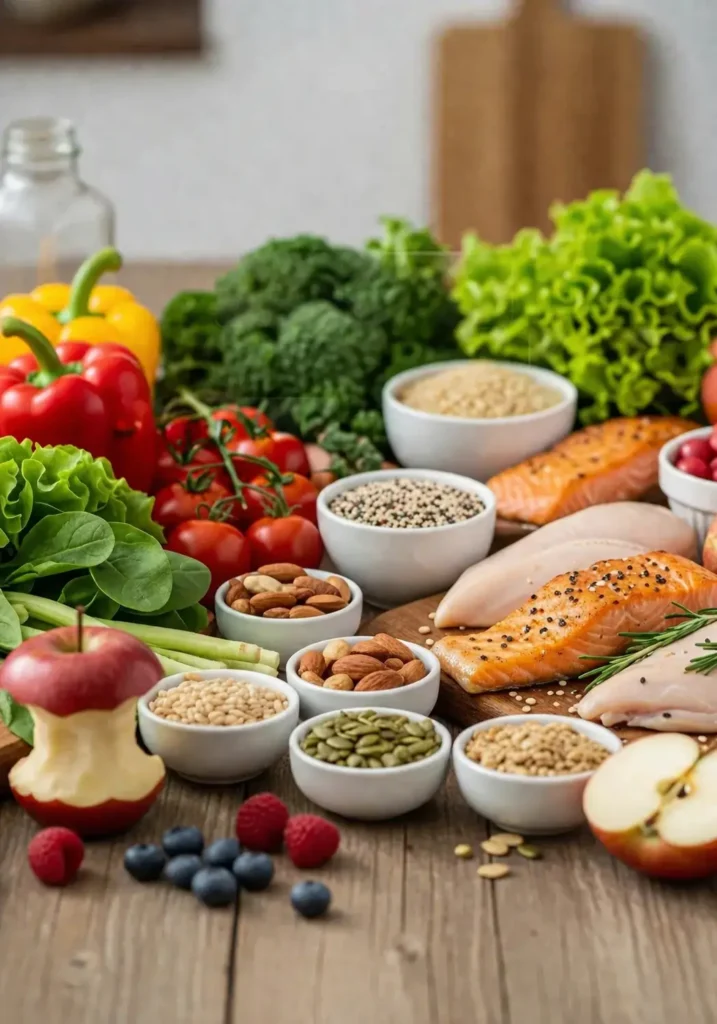
To maintain a healthy lifestyle, you should aim to include a variety of “colors” on your plate. This ensures you are getting a wide spectrum of antioxidants and phytochemicals.
- Fruits: Focus on berries, apples, and citrus fruits for fiber and Vitamin C.
- Vegetables: Prioritize leafy greens like spinach and cruciferous vegetables like broccoli.
- Proteins: Choose wild-caught fish, organic chicken, and plant-based legumes.
- Whole Grains: Opt for oats, quinoa, and brown rice over refined white flours.
- Healthy Fats: Use extra virgin olive oil, avocados, and raw nuts to support brain health.
Popular Diet Programs
When searching, you will likely encounter several branded programs. Some are clinically backed, while others are better suited for short-term goals.
The Mediterranean Diet
Many experts wonder, why is the Mediterranean diet so healthy? It is because it emphasizes heart-healthy fats, fruits, vegetables, and legumes while limiting red meat.
The health benefits of the Mediterranean diet are extensive, including a reduced risk of stroke and heart disease. It is arguably the most sustainable and well-researched balanced diet available today.
The Mayo Clinic Diet
What is the Mayo Clinic Diet? It is a program focused on changing your lifestyle habits. It uses a unique food pyramid that prioritizes fruits and vegetables at the base to encourage healthy lifestyle habits.
The South Beach Diet
How healthy is the South Beach diet program? This plan focuses on “good” carbohydrates and lean proteins. While effective for initial weight loss, it requires careful monitoring to ensure long-term nutrient balance.
Popular Diet Comparison Table
| Diet Type | Primary Focus | Main Benefit | Caution |
| Mediterranean | Healthy Fats & Plants | Heart Health | Moderate Calorie Density |
| Mayo Clinic | Habit Transformation | Weight Maintenance | Requires Tracking |
| Keto | Very Low Carb | Fast Fat Loss | Potential Nutrient Gaps |
| Paleo | Whole, Unprocessed | Blood Sugar Control | High Meat Intake |
| Vegan | Plant-Based Only | Digestion & Ethics | Vitamin B12 Needs |
Are Keto and Paleo Healthy Diets?
Questions like “Is the keto diet healthy or is the paleo diet healthy?” depend on your individual health profile. Keto can be useful for those with specific metabolic issues, but the high saturated fat can be a concern for some.
Similarly, the carnivore diet is currently popular, but as an MD, I worry about the lack of fiber. A vegan diet can be incredibly healthy, provided you supplement with vitamin B12 and iron correctly.
Specialized Diets for Health Conditions
Sometimes, it must be tailored to address specific medical needs. This is where clinical nutrition becomes “medicine you can eat.”
The Heart-Healthy Approach
A heart-healthy diet plan focuses on reducing sodium and trans fats. You should emphasize heart-healthy foods like fatty fish (salmon) and walnuts. These foods help lower systemic inflammation and improve cholesterol markers.
Managing a Healthy Diet with Food
Is your diabetic diet sabotaging your health? Many “sugar-free” processed foods contain sugar alcohols that can still cause digestive distress. A healthy diet for diabetics should focus on high-fiber complex carbs to prevent insulin spikes and help you understand how to lower blood sugar naturally.
Kidney and Liver Support
A kidney-healthy diet often requires limiting potassium and phosphorus. Conversely, a liver-healthy diet focuses on eliminating fructose and processed oils to prevent non-alcoholic fatty liver disease (NAFLD).
Brain and Bone Health
A brain-healthy diet (like the MIND diet) emphasizes berries and leafy greens to protect cognitive function. For bone health, an osteoporosis healthy diet ensures high intakes of Calcium and vitamin D-rich foods.
How to Build a Healthy Diet Plan
Creating a healthy diet plan does not require a culinary degree or a massive budget. Instead, it requires a systematic approach to your weekly grocery shopping and meal preparation.
In my practice, I find that patients who use a Healthy Diets chart have a 40% higher success rate in maintaining their weight. This is because a visual plan removes the “decision fatigue” that often leads to unhealthy takeout choices on a Tuesday night.
Step-by-Step Instructions for Personalized Nutrition
- Audit Your Pantry: Remove highly processed snacks with added sugars or trans fats.
- Focus on Fiber: Aim for 25–30 grams of fiber daily to support gut health and satiety.
- Master Portion Control: Use the “Plate Method”—half vegetables, one-quarter lean protein, and one-quarter whole grains.
- Stay Hydrated: Drink a glass of water 30 minutes before meals to improve digestion and control appetite.
- Plan Your Snacks: Keep raw nuts or Greek yogurt available to avoid the vending machine trap.
Healthy Diet for Weight Loss and Pregnancy
Different life stages demand specific adjustments to your healthy diet plan. For instance, a healthy diet for weight loss should prioritize high-volume, low-calorie foods like leafy greens to keep you full while in a calorie deficit.
Conversely, eating during pregnancy is not about “eating for two” in terms of calories, but rather “eating for two” in terms of nutrients. Pregnant women must focus on folate, iron, and calcium to support fetal development.
I recently consulted with a woman named Elena who was concerned about gestational weight gain. We focused her meals on magnesium-rich foods and lean proteins. This approach stabilized her blood sugar and supported a healthy birth weight for her baby.
Evidence-Based Health Benefits of a Healthy Diet
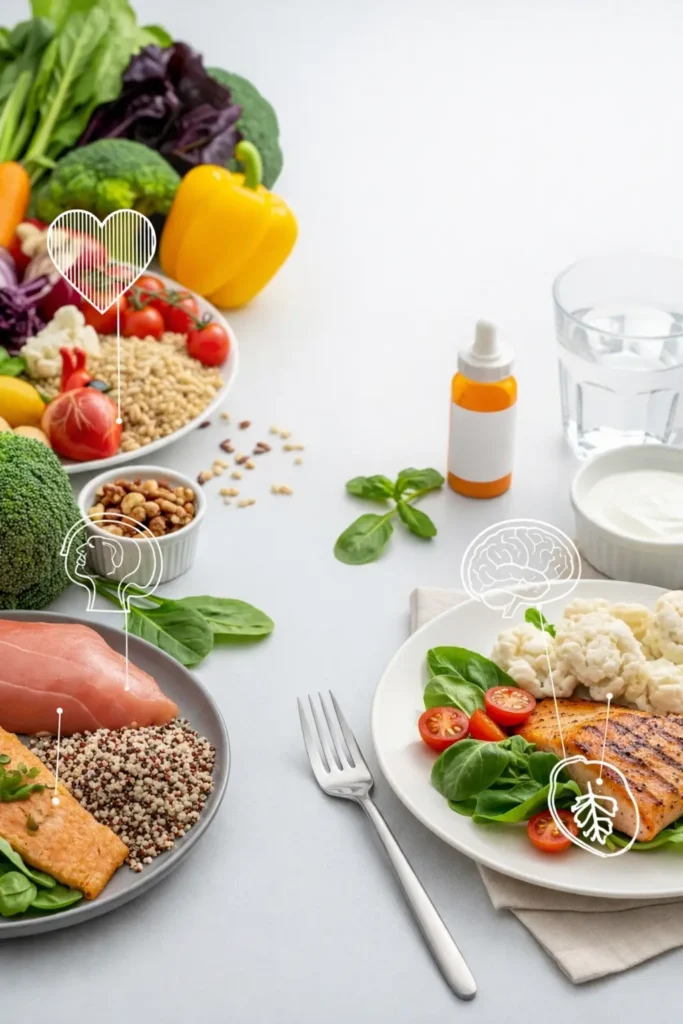
The importance of healthy diet choices cannot be overstated. Clinical research consistently shows that what you put on your fork is as powerful as what you find in a medicine cabinet for preventing chronic illness.
Chronic Disease Prevention
Data from the American Heart Association (2025) suggests that a heart-healthy diet can reduce the risk of cardiovascular events by up to 30%. Similarly, the DASH diet is clinically proven to lower blood pressure as effectively as some pharmaceutical interventions.
Cognitive Function and Brain Health
A brain rich in antioxidants protects against neurodegeneration. Studies published in Neurology indicate that seniors who follow a Mediterranean diet have significantly lower rates of cognitive decline and Alzheimer’s disease.
Gut Microbiome and Immunity
Your gut contains 70% of your immune system. A balanced diet rich in fermented foods and diverse plant fibers supports a healthy microbiome. This leads to better mood regulation, as 95% of your serotonin is produced in the gut.
Frequently Asked Questions
Is the keto diet healthy?
The keto diet can be healthy for short-term metabolic resets or managing specific neurological conditions. However, the high intake of saturated fats may not be ideal for everyone’s heart health. Always consult an MD to monitor your lipid panels while on this plan.
Is a vegan diet healthy?
A vegan diet is healthy and highly anti-inflammatory when it focuses on whole plants. However, it can lead to deficiencies in vitamin B12, iron, and zinc if not carefully planned. I recommend fortified foods or high-quality supplements to bridge these gaps.
What are the 10 top healthiest foods?
The 10 top healthiest foods typically include the following: 1) Blueberries, 2) Salmon, 3) Spinach, 4) Walnuts, 5) Avocado, 6) Oats, 7) Broccoli, 8) Greek Yogurt, 9) Extra Virgin Olive Oil, and 10) Turmeric. These items provide a dense concentration of protective phytonutrients.
What is a heart-healthy diet?
A heart-healthy diet is low in sodium, added sugars, and trans fats. It emphasizes soluble fiber (like oats) and omega-3 fatty acids (like flaxseeds or fish) to maintain arterial flexibility and healthy blood pressure levels.
Is the carnivore diet healthy?
While some people report short-term relief from autoimmune symptoms on a carnivore diet, it lacks essential prebiotic fiber and phytonutrients. From a public health perspective, the long-term risks to gut microbiome diversity and heart health remain a clinical concern.
Conclusion
A healthy diet is the most powerful tool you have for controlling your health destiny. By focusing on a balanced diet rich in healthy foods, you can improve your energy, protect your heart, and maintain a healthy weight.
Remember, there is no “perfect” diet that fits every person. Your nutritional needs are unique to your age, activity level, and medical history. Start with small, sustainable changes today—perhaps by adding one extra serving of vegetables to your dinner.
Authoritative References:
Related Posts






MORE from Author
Read More As a physician specializing in exercise science and public health, I regularly consult patients who feel completely lost in the…
 Just last week, a 34-year-old patient named Clara sat in my clinic, feeling entirely overwhelmed by the modern fitness industry.…


 Hello, I am Dr. Kenji Sato, MD, specializing in sports medicine and performance optimization. In my sports clinic, I constantly…
- In my clinical practice as a physician focused on exercise science, I often tell patients that mastering fitness bench workouts…