Fitness Sliders Exercises: Full-Body Workouts, Benefits, and Beginner Guide
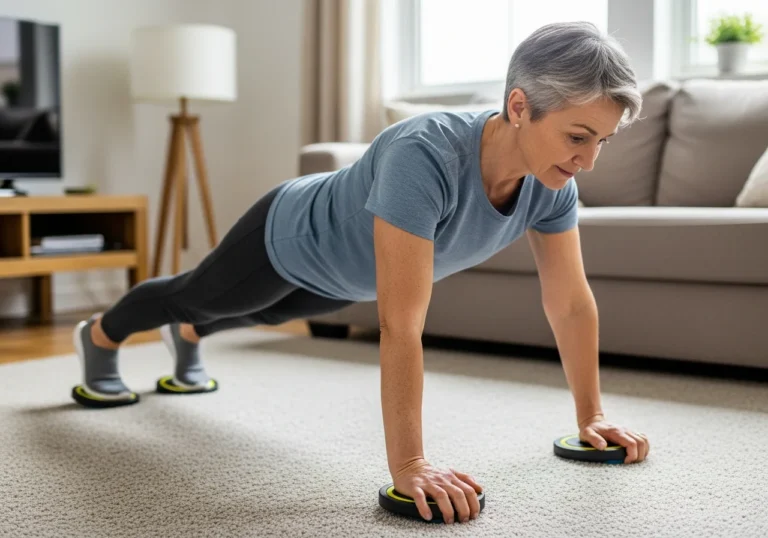
As a physician specializing in exercise science and public health, I constantly look for tools that bridge the gap between clinical rehabilitation and everyday fitness. Last fall, I treated a patient named Robert, a 55-year-old accountant suffering from chronic lower back pain and stiff knees.
He wanted to build strength but was terrified of heavy weights and high-impact jumping. Instead of a traditional gym prescription, I introduced him to fitness sliders exercises.
Within six weeks of using these simple discs on his living room carpet, Robert’s core stability drastically improved, and his knee pain subsided. He built functional strength without ever leaving the ground.
Sliders are one of the most underrated, scientifically sound tools in modern fitness. By removing friction, they force your muscles to maintain constant tension. In this comprehensive guide, we will explore how to use exercise sliders to build a resilient, pain-free body right at home.
TL;DR
- Fitness sliders are highly effective, low-cost tools designed for full-body strength and core training ACSM Guidelines.
- They improve balance, stability, and muscle activation by creating a frictionless, unstable surface CDC Physical Activity.
- These discs are perfectly ideal for home workouts, beginners, and seniors needing low-impact options.
- You can easily use them for targeted legs, core, and upper body workouts without heavy weights.
What Are Fitness Sliders Exercises?
Fitness sliders exercises use small, flat discs placed under the feet or hands to create instability on the floor. This forces your stabilizing muscles to work significantly harder during movement to maintain body control Mayo Clinic.
Instead of lifting your foot or hand off the ground to move, you glide smoothly across the surface. This continuous contact provides constant, unbroken tension on your muscles. It is a highly efficient way to build strength and joint stability.
What Are Exercise Sliders Good For?
Exercise sliders improve core strength, balance, flexibility, and precise muscle control by eliminating momentum from your movements Harvard Health.
Because you cannot rely on gravity or swinging motions, your muscles must do all the work. This makes sliders exceptional for physical therapy, athletic conditioning, and general weight loss. For more foundational movement patterns, explore these bodyweight fitness exercises.
Key Benefits
Increased muscle activation: Sliders eliminate the “rest” phase of a repetition. Your muscles are engaged during both the concentric and eccentric phases of the movement Journal of Strength & Conditioning.
Low-impact training: Because your hands or feet never leave the floor, there is zero impact on your joints. This heavily protects your knees, ankles, and spine. Learn more about managing fitness lower back pain safely.
Improved coordination: Controlling the sliding motion requires deep neurological engagement. It rapidly improves your proprioception and physical balance NIH Research.
Joint-friendly workouts: The smooth, gliding motion prevents the sudden jolts and sheer forces that often cause acute gym injuries Cleveland Clinic.
Can You Work Out in Slides?
To clarify, working out “in slides” means two different things. Yes, working out using slide discs or fitness sliders is highly recommended and medically sound.
However, working out while wearing slip-on “slide” sandals or regular footwear without heel support is dangerous. You must wear proper athletic shoes while using fitness discs to ensure ankle stability and prevent sprains.
Exercise Sliders: How to Use Them
Using sliders correctly is critical to avoiding muscle strains. Follow these clinical steps to ensure maximum safety and effectiveness Johns Hopkins.
First, place the sliders flat on the floor and step onto them with the balls of your feet, or place your palms flat on them. Maintain proper posture by bracing your core tightly, as if you are about to be punched in the stomach.
Control the movement at all times; do not let the slider run away from you. Engage your core throughout the entire range of motion to protect your lumbar spine. For beginners, start with these fitness tips for beginners.
Best Exercises for Sliders
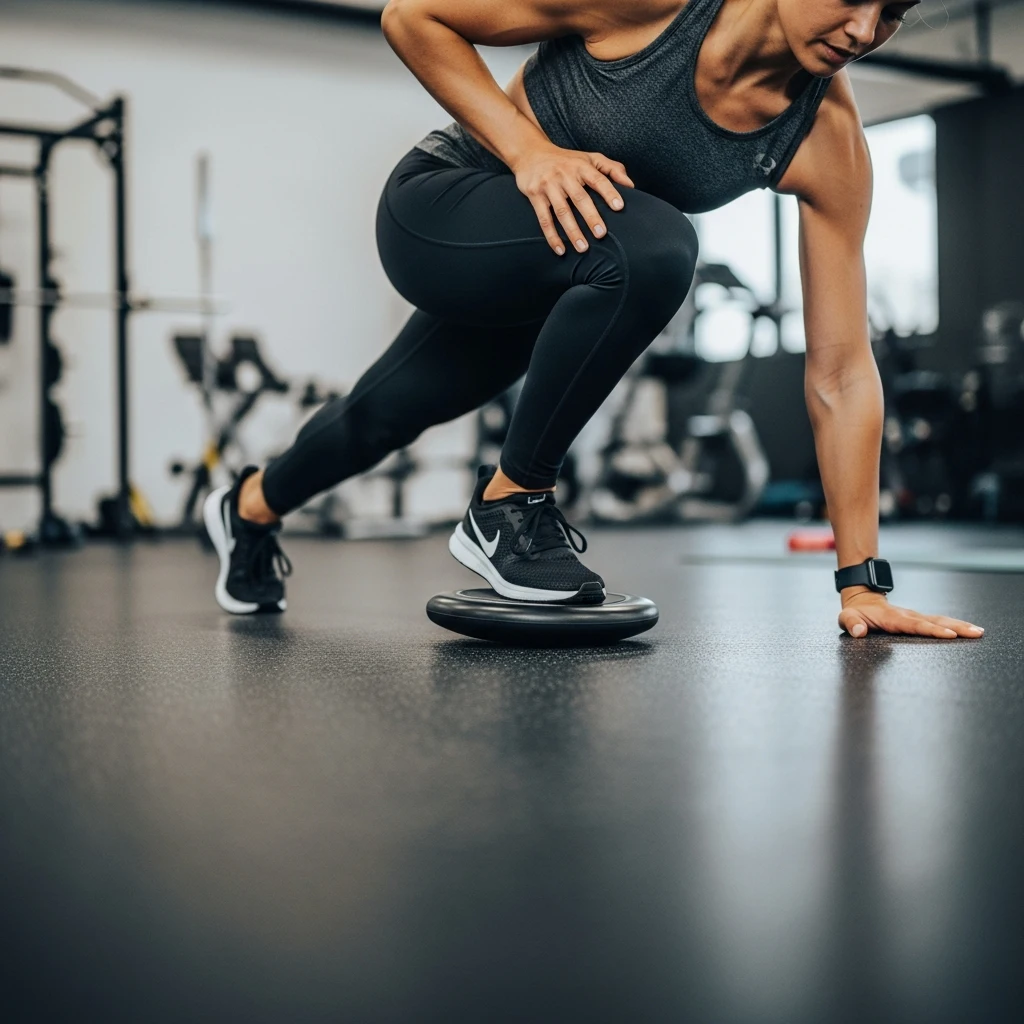
To truly understand the value of slider discs, we must break down the biomechanics of how they target specific muscle groups. In exercise science, time under tension is a primary driver of muscular hypertrophy and strength. Sliders maximize this tension PubMed Study. Let us dive deeply into the best movements for your body.
Core Exercises
The core is not just your visible abdominals; it includes your obliques, lower back, and deep pelvic floor muscles.
Plank slides are phenomenal for anti-extension core strength. By holding a plank and slowly sliding your feet outward and back inward, you force your transverse abdominis to fire intensely to stop your lower back from arching. Practice proper form with this plank fitness exercise guide.
Mountain climbers on sliders are a massive upgrade from the traditional version. Because you slide your knees forward instead of hopping, you remove the bouncy momentum. This forces your hip flexors and lower abdominals to pull the weight of your leg entirely on their own.
Knee tucks involve starting in a push-up position and pulling both knees into your chest simultaneously. This movement heavily engages the rectus abdominis and requires significant shoulder stability. For targeted ab work, try these fitness abs exercises.
Lower Body
Slider exercises are incredible for rehabilitating and strengthening the lower body without loading heavy barbells onto your spine.
Lunges utilizing sliders are superior for joint health. When you perform a reverse slider lunge, the sliding leg moves back smoothly, reducing the sheer force on the front patella tendon. It heavily targets the gluteus maximus and quadriceps of the stationary leg. Build stronger legs with these fit legs workout techniques.
Hamstring curls on sliders are a clinical favorite for preventing hamstring tears. Lying on your back with your hips bridged up, you slide your heels away from you and pull them back. This provides a deep eccentric stretch to the hamstring fibers British Journal of Sports Medicine.
Squats can be modified into lateral slider squats. You keep your weight on one stationary leg while sliding the other leg straight out to the side. This heavily targets the adductors (inner thighs) and gluteus medius, muscles often ignored in standard squats.
Upper Body
Upper body slider exercises require immense stabilization from the rotator cuff and shoulder girdle.
Push-up slides (or slider flyes) involve sliding one hand outward while performing a push-up with the other. This stretches the pectoral muscle fibers deeply and requires intense tension to pull the sliding hand back to the center. Strengthen your upper body with this upper body fitness workout.
Arm circles are performed in a kneeling plank position. You place one hand on a slider and draw small circles on the floor. This provides dynamic stabilization training for the shoulder joint, which is excellent for injury prevention American Heart Association.
Full Body Exercises With Sliders
Creating a routine that targets all major muscle groups is essential for balanced metabolic health.
A great sample routine begins with squat slides to fire up the nervous system and warm up the legs. You then transition into plank climbers to elevate the heart rate and fatigue the core. Next, utilize push-up slides to engage the chest and shoulders.
Finally, finish with reverse lunges to completely exhaust the lower body musculature. Remember, the benefits of exercise compound when done consistently.
Slider Workout Full Body (Beginner Plan)
For beginners, a simple, repeatable structure is the key to building consistency.
Perform a circuit of 10 squats (using lateral slides), followed immediately by 10 lunges per leg (reverse slides). Finish the circuit with a strict 30-sec plank holding the sliders under your toes. Rest for one minute, and repeat this exact sequence for 3 total rounds.
Core Sliders Workout for Beginners
If your primary medical goal is to fix posture and relieve back pain, you must focus heavily on core isolation.
Start with a static plank hold with your feet on the discs, simply getting used to the instability. Move into slow, controlled knee tucks, pulling both knees toward your chest while keeping your hips perfectly level. Finish with a set of plank climbers on slides, moving your legs at a steady, marching pace.
Plank Climber on Slides (How-To)
This specific movement is arguably the most effective slider exercise for cardiovascular and core conditioning.
To execute it properly, start in a perfect push-up plank position with a disc under each foot. Brace your core, and slide your right knee directly toward your chest without lifting your hips in the air.
Push the right leg back while simultaneously pulling the left knee forward. Alternate legs in a smooth, continuous piston-like motion Spine Journal.
Upper Body Slider Workout
To build functional upper body strength, you must challenge the muscles in multiple planes of motion.
Begin with sliding push-ups, alternating which arm slides out to the side. Transition into arm extensions, where you kneel, place both hands on sliders, and slide forward like an ab-roller to stretch the lats and core.
Conclude with shoulder stability drills, holding a plank and sliding one hand slightly forward, backward, and side-to-side.
Slider Exercises for Legs (Slide Into Stronger Legs)
Your legs contain the largest muscles in your body, making lower-body slider workouts incredibly effective for burning calories.
Focus heavily on reverse lunges, keeping your torso upright and your front foot planted firmly. Incorporate lying hamstring curls to build the posterior chain, which is vital for preventing lower back pain. Finally, add lateral slides to strengthen the hips, which will drastically improve your walking and running mechanics.
Slide Disc Workout (Complete Routine)
A complete, medically sound workout should always follow a specific physiological arc.
Begin with a dynamic warm-up off the sliders to get synovial fluid moving in your joints. Move to your core work first, as your stabilizers need to be fresh to protect your spine. Transition into heavy strength exercises for the upper and lower body. Finally, execute a dedicated cool-down with deep, static stretching.
Slider Exercises for Seniors
As we age, maintaining muscle mass and balance becomes the most critical aspect of public health and longevity.
Sliders are incredibly beneficial for seniors because they offer a completely low-impact and joint-friendly way to strength train. Because the feet never leave the floor, the risk of tripping or falling is heavily mitigated.
This training profoundly improves balance by constantly challenging the vestibular system WHO Guidelines.
Clinical Safety Tips for Older Adults
Safety is paramount when prescribing exercises to older populations.
Always use a sturdy chair or wall for support if needed during standing exercises like lunges. You must start slow, prioritizing perfect form over the number of repetitions. Furthermore, absolutely avoid slippery surfaces; use sliders on a controlled surface like a yoga mat or low-pile carpet to prevent the discs from sliding too fast.
What Is the 3-3-3 Rule at the Gym?
The 3-3-3 rule is a highly effective, structured approach to balancing a fitness routine.
It involves selecting 3 strength exercises, pairing them with 3 cardio exercises, and completing 3 sets each. This format ensures you hit multiple energy systems, providing a balanced workout that improves both muscular hypertrophy and cardiovascular endurance in a single session.
What to Drink Before Morning Exercise?

Hydration heavily dictates your physical performance and cellular health during a workout.
Plain water is always the most vital fluid to consume immediately upon waking to reverse overnight dehydration. If you are training intensely, adding electrolytes (like sodium and potassium) helps prevent muscle cramping.
For an energy boost, light pre-workout drinks like black coffee or green tea provide a safe, natural metabolic increase. Learn how much water should you drink for optimal performance.
What Is the Best Exercise to Unclog Arteries?
From a cardiovascular health perspective, you cannot mechanically “unclog” an artery purely through movement.
However, regular aerobic exercise (such as brisk walking, cycling, or swimming) drastically improves cardiovascular health. It increases high-density lipoprotein (HDL) cholesterol, which actively helps transport plaque-forming lipids away from your arterial walls, reducing your risk of heart disease American Heart Association.
Weekly Slider Workout Plan
To see actual physiological changes, you must follow a structured, progressive weekly routine.
| Day | Workout Focus | Medical Goal |
|---|---|---|
| Mon | Full Body Sliders | Total muscular engagement |
| Tue | Core Isolation | Posture and spine protection |
| Wed | Complete Rest | Tissue repair and recovery |
| Thu | Lower Body Sliders | Build leg strength and balance |
| Fri | Upper Body Sliders | Improve shoulder and chest stability |
| Sat | Light Cardio | Active recovery (walking/cycling) |
| Sun | Complete Rest | Central nervous system reset |
This balanced approach aligns with broader healthy lifestyle habits for long-term wellness.
Common Mistakes to Avoid
Avoiding simple mechanical errors will keep you out of the orthopedic clinic.
Poor form, such as letting your lower back sag during slider planks, will inevitably cause spinal compression. Moving too fast completely defeats the purpose of the sliders, allowing momentum to take over rather than muscular tension.
Finally, a lack of core engagement during lower body movements leads to dangerous compensations in your hips and knees.
Safety Tips
A few preventative measures ensure your workouts remain effective and safe.
Always use sliders on proper surfaces; plastic-sided sliders work best on carpets, while fabric-sided sliders are designed for hardwood floors. You must maintain control of the discs at all times, never letting your foot slide out wider than your flexibility allows.
Lastly, vigorously warm up before starting to increase tissue temperature and elasticity.
Frequently Asked Questions
What are slider exercises?
Slider exercises are movements performed using small, flat discs under the hands or feet to create a frictionless, unstable surface. This instability heavily increases muscle engagement and joint stabilization ACSM.
Are sliders good for beginners?
Yes, they are exceptionally good for beginners. They provide a low-impact, highly adaptable way to build foundational strength without the injury risks associated with heavy barbells or jumping.
Can sliders build muscle?
Yes, sliders can absolutely build muscle. By keeping constant tension on the muscle fibers and utilizing slow, controlled eccentric movements, sliders stimulate significant muscular hypertrophy Journal of Strength & Conditioning.
Are sliders safe for seniors?
Yes, slider exercises are very safe for seniors. With proper modifications, such as holding onto a wall for balance, they provide joint-friendly resistance training that actively prevents age-related muscle loss NIH.
Do I need shoes to use fitness sliders?
Yes, you should always wear supportive athletic shoes when using fitness sliders under your feet. This provides necessary arch support, prevents ankle rolling, and ensures your foot grips the top of the disc securely.
Conclusion
Building functional strength and protecting your joints does not require an expensive gym membership or heavy, intimidating machinery. Fitness sliders offer a scientifically backed, incredibly efficient way to challenge your muscular endurance and stability from the comfort of your living room.
By eliminating momentum and forcing your muscles to maintain constant tension, these simple discs transform ordinary movements into highly effective clinical conditioning. Whether you are a senior looking to improve daily balance or a beginner starting a fitness journey, sliders adapt seamlessly to your exact physical needs.
Remember that consistency and proper form will always outperform sheer intensity. Start with the beginner routines outlined in this guide, focus deeply on bracing your core, and glide your way into a stronger, more resilient body today.
For more holistic wellness strategies, explore these health tips and learn how to stay healthy throughout your journey.
Medical References & Further Reading:
- ACSM. Core Training Guidelines. acsm.org
- CDC. Physical Activity Basics. cdc.gov/physicalactivity
- Mayo Clinic. Low-Impact Exercise Safety. mayoclinic.org
- Harvard Health. Stability Training Benefits. health.harvard.edu
- NIH. Muscle Activation Research. nih.gov
- Cleveland Clinic. Joint-Friendly Workouts. clevelandclinic.org
- Johns Hopkins. Exercise & Balance. hopkinsmedicine.org
- American Heart Association. Cardiovascular Fitness. heart.org
- British Journal of Sports Medicine. Eccentric Training. bjsm.bmj.com
- Journal of Strength & Conditioning. Slider Exercise Efficacy. jscr.nsca.org
- Spine Journal. Core Stability & Injury Prevention. spinejournal.com
- PubMed. Proprioception & Balance Training. pubmed.ncbi.nlm.nih.gov
- WHO. Physical Activity for Older Adults. who.int
Related Posts
MORE from Author
Read More As a physician specializing in exercise science and public health, I regularly consult patients who feel completely lost in the…
 Just last week, a 34-year-old patient named Clara sat in my clinic, feeling entirely overwhelmed by the modern fitness industry.…
 Hello, I am Dr. Kenji Sato, MD, specializing in sports medicine and performance optimization. In my sports clinic, I constantly…
- In my clinical practice as a physician focused on exercise science, I often tell patients that mastering fitness bench workouts…