
Panic Attack vs Heart Attack: Key Symptoms, Differences, and When to Seek Emergency Care

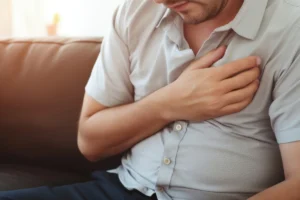
Experiencing sudden, crushing chest pain or a racing heartbeat is a terrifying event that sends millions of people to the emergency room every year. When you are caught in the middle of this terrifying physical sensation, determining if you are experiencing a panic attack vs. heart attack becomes a critical, life-or-death question.
As a board-certified physician, I frequently see patients in the emergency department who are convinced their heart is failing, only to discover their cardiovascular system is perfectly healthy. Conversely, I also treat patients who mistakenly dismissed a life-threatening cardiac event as simple stress.
Because the physical manifestations of intense anxiety and cardiac ischemia overlap so heavily, relying on guesswork is extremely dangerous. Understanding the distinct physiological differences between your cardiovascular system and your nervous system is the key to protecting your health.
This comprehensive medical guide will explore the exact symptom variations, gender-specific warning signs, and physiological mechanisms behind these two distinct conditions. By the end of this article, you will possess the clinical knowledge needed to safely evaluate your symptoms and seek appropriate emergency care.
TL;DR (Quick Overview)
- The Golden Rule: If your symptoms are new, severe, or you are uncertain, always treat it as a medical emergency and call for help.
- Overlapping Symptoms: Both conditions can cause severe chest pain, shortness of breath, and sudden dizziness.
- Heart Attack: A physical medical emergency caused by a blocked artery starving the heart of oxygen.
- Panic Attack: A severe nervous system stress response—terrifying, but not physically life-threatening.
Panic Attack vs Heart Attack (Quick Definition)
To truly differentiate these two conditions, we must first understand what is happening inside the human body. A panic attack is an abrupt surge of intense psychological fear that triggers a massive, systemic physical reaction.
This reaction occurs when your brain’s amygdala misinterprets a harmless situation as a mortal threat, flooding your body with stress hormones. The resulting symptoms are intense and terrifying, but they do not cause any actual structural damage to your internal organs.
A heart attack, medically known as a myocardial infarction, is a severe mechanical plumbing problem within your cardiovascular system. It occurs when a coronary artery becomes partially or completely blocked by a ruptured cholesterol plaque and a subsequent blood clot.
This physical blockage starves a specific portion of your heart muscle of vital oxygen and nutrients. Without immediate emergency medical intervention to restore blood flow, the affected heart tissue will begin to die.
Panic Attack vs Heart Attack Symptoms

Understanding the specific panic attack vs heart attack symptoms is your best defense when evaluating sudden chest discomfort. The following table provides a clear, clinical breakdown of how these two distinct medical conditions typically present in patients.
| Symptom | Panic Attack | Heart Attack |
| Chest pain | Sharp, stabbing, localized | Pressure, squeezing, heavy ache |
| Duration | 10–30 minutes, then subsides | >20 minutes, progressively worsening |
| Trigger | Stress, fear, or resting state | Physical exertion, artery blockage |
| Breathing | Rapid, shallow hyperventilation | Profound shortness of breath |
| Radiation | Pain usually stays in the chest | Pain spreads to arm, jaw, or back |
Key Differences Between Panic Attack and Heart Attack
The fundamental difference between heart attack and panic physiology lies in the root cause of your bodily distress. A myocardial infarction is strictly an oxygen supply issue affecting the physical muscle of your heart.
When the heart muscle starves, it sends highly specific pain signals through your nervous system to your brain. This pain is typically relentless, heavily oppressive, and consistently worsens the longer the heart muscle remains deprived of oxygen.
A panic event is driven entirely by a sudden, massive adrenaline surge triggered by your autonomic nervous system. This chemical flood forces your heart to beat rapidly and causes your chest muscles to contract violently. The resulting pain is usually sharp and fleeting, changing intensity based on your breathing rate and emotional state.
Signs of Panic Attack vs Heart Attack
Recognizing the exact signs of a panic attack vs heart attack events requires paying close attention to secondary physical clues. Panic attack signs often involve a rapid, pounding heartbeat that you can feel intensely in your chest or throat.
Patients experiencing severe anxiety also frequently report uncontrollable trembling, tingling in their extremities, and an overwhelming fear of dying. These psychological symptoms often peak within ten minutes before gradually subsiding as the adrenaline leaves the bloodstream.
Heart attack signs are generally more focused on profound physical discomfort rather than acute psychological terror. You might feel intense chest pressure, severe pain radiating down your left arm, or a heavy ache in your lower jaw. Profuse cold sweating, sudden extreme fatigue, and severe nausea are also classic indicators of a blocked coronary artery.
Panic Attack vs Heart Attack in Women
Medical professionals now recognize that panic attack vs heart attack women’s presentations differ significantly from historical medical textbooks. Women are much more likely to experience atypical cardiac symptoms that do not involve classic, crushing chest pressure.
When a woman is having a cardiac event, she might only feel severe, unexplained fatigue that lasts for several days. Profound nausea, vomiting, and a strange burning sensation in the upper abdomen are also highly common female cardiac signs.
Furthermore, many women report experiencing a sharp, localized pain radiating directly between their shoulder blades or into their lower back. Because these symptoms mimic intense stress or indigestion, women must be incredibly vigilant about seeking prompt medical evaluations.
Panic Attack vs Heart Attack in Men
When analyzing panic attack vs. heart attack experiences in men, the presentation tends to follow more traditional clinical patterns. Men are statistically much more likely to report the classic “Hollywood” symptom of an elephant sitting on their chest.
This deep, central chest pressure is often accompanied by a dull, aching pain that travels directly down the left arm. Sweating profusely for no apparent reason, especially in a cool environment, is another strong indicator for male patients.
While men can certainly experience atypical signs, the sudden onset of severe, localized chest heaviness remains their primary cardiac warning signal.
Panic Attack vs Heart Attack Blood Pressure Differences
Monitoring your vital signs can provide helpful clues, though panic attack vs heart attack blood pressure readings can be highly complex. Both conditions dramatically alter your cardiovascular dynamics, but they do so through entirely different physiological mechanisms.
| Condition | Blood Pressure Response | Clinical Explanation |
| Panic attack | Temporary, rapid spike | Massive adrenaline release constricts blood vessels instantly. |
| Heart attack | May be high, normal, or low | Depends on heart muscle damage and overall cardiac output. |
During an anxiety event, your systolic blood pressure will almost always shoot up due to the fight-or-flight response. During a cardiac infarction, a failing heart muscle might cause your blood pressure to dangerously plummet, leading to cardiogenic shock.
Panic Attack vs Anxiety Attack vs Heart Attack
Patients frequently use psychological terms interchangeably, confusing the anxiety attack vs. panic attack vs. heart attack clinical definitions. Understanding this specific terminology helps you communicate your exact symptoms clearly to emergency medical dispatchers.
An anxiety attack is generally characterized by a gradual buildup of worry, stress, and physical tension over several hours or days. A panic attack is an explosive, sudden onset of intense physical terror that strikes without any obvious immediate warning.
A heart attack is a mechanical, physical blockage of a vital blood vessel that actively destroys living cardiac tissue.
Heart Attack and Panic Symptoms That Overlap
The diagnostic confusion arises primarily because heart attack and panic symptoms share several identical physical manifestations. Both conditions will cause you to experience some form of chest discomfort, making initial self-diagnosis incredibly dangerous.
Sudden, profound dizziness and lightheadedness occur in both scenarios due to rapid changes in blood pressure and oxygen delivery. Severe shortness of breath is another highly common overlapping symptom that terrifies patients in both medical situations.
Because these critical symptoms overlap so perfectly, doctors rely on electrocardiograms and blood tests to make a definitive diagnosis.
Panic Attack vs Anxiety Attack
To further clarify the psychological spectrum, we must look at the panic attack vs anxiety attack clinical differences. While neither is physically fatal, they require completely different management strategies and long-term psychiatric approaches.
| Feature | Anxiety Attack | Panic Attack |
| Onset | Gradual, building over time | Sudden, explosive, without warning |
| Duration | Can last for hours or days | Usually peaks within 10 to 30 minutes |
| Intensity | Moderate physical discomfort | Severe, debilitating physical symptoms |
Panic Attack Chest Pain for Days — Is It Normal?
Many patients visit my clinic deeply concerned about experiencing panic attack chest pain for days after an emotional event. From a strict clinical perspective, true panic-related chest pain does not typically persist constantly for multiple days.
The initial sharp, stabbing pain of a panic event usually resolves entirely once your heart rate returns to a normal resting pace. If you are experiencing lingering discomfort, it is likely due to extreme, prolonged muscle tension in your chest wall.
However, any persistent, unyielding chest pain absolutely requires a professional medical evaluation to completely rule out an underlying cardiac issue.
Panic Attack or Heart Problem? When to Worry
Deciding whether you are facing a panic attack or heart problem requires paying attention to specific, critical red flags. You should become highly concerned if your chest pain begins to radiate aggressively into your left arm, neck, or jaw.
Experiencing a sudden fainting episode, or syncope, is a massive warning sign that your heart is struggling to pump effectively. A sudden outbreak of cold, clammy sweat combined with severe nausea strongly points toward a serious cardiovascular emergency.
If your symptoms predictably worsen every time you exert yourself physically, you are likely dealing with a structural heart problem.
Heart Attack or Anxiety Quiz (Self-Check Guide)
While you should never rely solely on a heart attack or anxiety quiz, asking yourself specific clinical questions can guide your immediate actions. This self-check protocol helps determine if your current physical symptoms warrant an immediate call to emergency services.
- Does the chest pain feel like a heavy, squeezing pressure rather than a sharp, fleeting stab?
- Does the intense discomfort actively worsen when you walk up a flight of stairs or exert yourself?
- Does resting quietly fail to improve your breathing or reduce the intensity of the chest pressure?
- Are you experiencing new, unexplained pain in your back, jaw, or left arm?
If you answer yes to any of these questions, you must bypass self-diagnosis and immediately contact emergency medical professionals.
Why Panic Attacks Feel Like Heart Attacks

To understand this terrifying overlap, we must examine the sympathetic nervous system and the human fight-or-flight response. When your brain triggers a panic response, it dumps massive amounts of adrenaline and cortisol directly into your bloodstream.
This chemical flood violently increases your heart rate, forcing the heart to demand significantly more oxygen to function. Simultaneously, the adrenaline causes the muscles between your ribs to contract severely, creating a feeling of tight, restrictive chest pressure.
You begin to hyperventilate, disrupting the delicate balance of carbon dioxide in your blood, which causes dizziness and limb numbness. Your body is flawlessly executing an ancient survival mechanism, creating physical sensations that perfectly mimic a lethal cardiac crisis.
When to Call Emergency Services Immediately
You must never let the fear of embarrassment stop you from seeking life-saving medical attention for severe chest discomfort. If you experience heavy chest pressure that lasts continuously for more than ten minutes, you must call for an ambulance immediately.
Severe shortness of breath that prevents you from speaking in full sentences is an absolute medical emergency requiring immediate intervention. Sudden collapse, profound confusion, or turning pale and blue are signs of imminent cardiovascular collapse.
It is always better to be evaluated in an emergency room and diagnosed with anxiety than to ignore a fatal coronary blockage.
Frequently Asked Questions
Can a panic attack feel exactly like a heart attack?
Yes, the physical symptoms overlap significantly due to the intense physiological response of the autonomic nervous system. The massive release of adrenaline causes rapid heart rates, chest tightness, and shortness of breath that perfectly mimic cardiac ischemia.
How long does a panic attack last?
A typical panic event is explosive and short-lived, usually reaching its maximum intensity within ten minutes. The severe physical symptoms generally begin to subside completely within twenty to thirty minutes as adrenaline clears your system.
Can anxiety cause chest pain for days?
While the acute panic event is brief, severe anxiety can cause prolonged muscle tension in the chest wall. This musculoskeletal tension can linger for days, but any persistent chest pain still absolutely requires a professional medical evaluation.
Do heart attacks always cause severe chest pain?
No, particularly in women, the elderly, and patients with long-standing diabetes who may have altered nerve function. These populations frequently experience atypical signs like profound fatigue, nausea, or mild back pain instead of crushing chest pressure.
Should I drive myself to the hospital if I suspect a heart problem?
You must never attempt to drive yourself to the emergency department if you suspect a severe cardiovascular event. Always call emergency services so paramedics can begin life-saving medical treatments and electrocardiogram monitoring immediately upon their arrival.
Conclusion
Navigating the terrifying physical sensations of a suspected cardiac event is one of the most frightening experiences imaginable. Differentiating between a panic attack vs heart attack ultimately comes down to understanding the root cause: an adrenaline-fueled misfire of your nervous system versus a critical, physical blockage starving your heart muscle of oxygen.
While a panic attack will leave you exhausted but physically unharmed, a myocardial infarction causes permanent, potentially fatal structural damage. Pay close attention to your body. Is the pain sharp and fleeting, or is it a heavy, relentless, crushing weight? Remember that men and women experience different warning signs, so never dismiss atypical symptoms like profound fatigue or jaw pain as mere indigestion.
Most importantly, your safety must always take absolute priority over the embarrassment or fear of a false alarm. If you ever find yourself questioning the origin of severe chest pain or sudden shortness of breath, always err on the side of caution.
Calling emergency services immediately ensures you receive a rapid EKG and professional medical evaluation. Protecting your heart requires vigilance, education, and the courage to seek immediate help when your body signals a crisis.
Evidence-Based References:
- American Heart Association (AHA) – Heart Attack Symptoms in Women
- Mayo Clinic – Panic attacks and panic disorder
- Cleveland Clinic – Heart Attack vs. Panic Attack: How to Tell the Difference with Jacqueline Tamis-Holland, MD
- National Institute of Mental Health (NIMH) – Panic Disorder: When Fear Overwhelms
- American Heart Association (AHA) – Warning Signs of a Heart Attack
Related Posts




MORE from Author
Read More As a physician specializing in exercise science and public health, I regularly consult patients who feel completely lost in the…
 Just last week, a 34-year-old patient named Clara sat in my clinic, feeling entirely overwhelmed by the modern fitness industry.…


 Hello, I am Dr. Kenji Sato, MD, specializing in sports medicine and performance optimization. In my sports clinic, I constantly…
- In my clinical practice as a physician focused on exercise science, I often tell patients that mastering fitness bench workouts…