Fitness Tabata Workout: Beginner Guide, Exercises, Timer & Weight Loss Plan
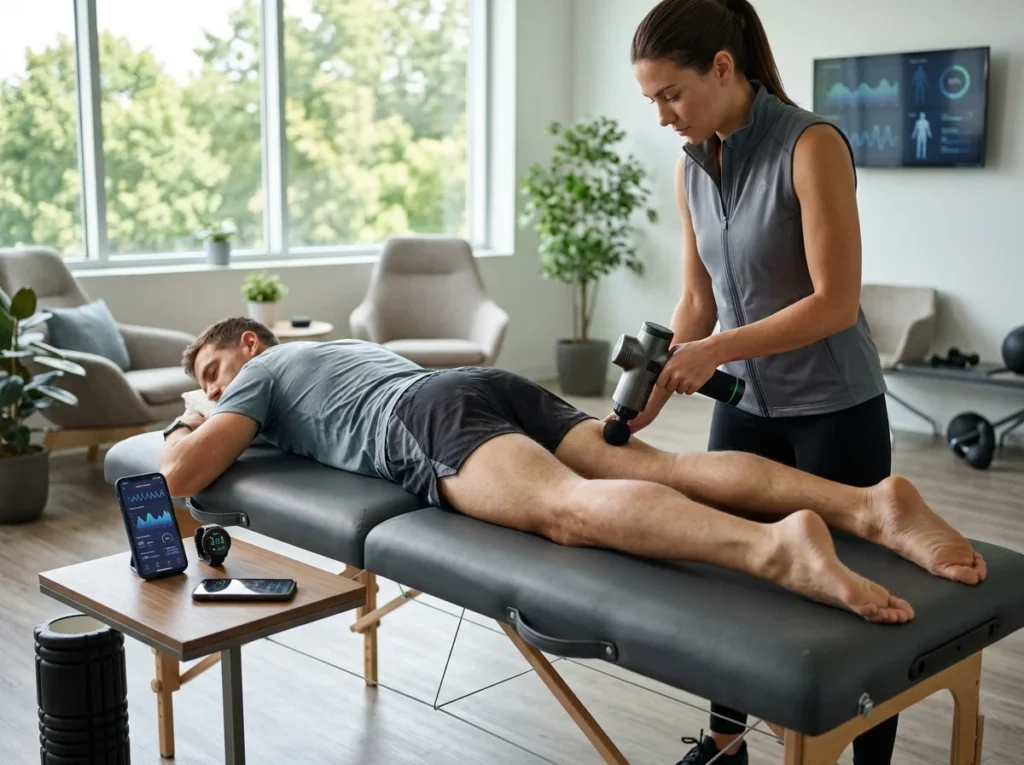
In my sports medicine clinic, patients frequently tell me they want to lose weight but simply lack free hours. I always hear the same frustrating complaints about crowded gyms and exhausting, hour-long treadmill sessions. Therefore, I usually introduce them to a highly efficient solution called the fitness tabata workout.
This scientifically backed protocol completely changes how we approach daily exercise. Most importantly, it delivers massive cardiovascular benefits in just a few short minutes. By utilizing short, intense bursts of movement, you can rapidly transform your metabolic health and learn how to stay healthy without spending hours at a fitness center. Let us dive deeply into exactly how this quick routine works, why your body responds so well to it, and how you can start today.
TL;DR: Quick Overview
- Perform 20 seconds of maximum, all-out physical effort.
- Immediately follow that exertion with exactly 10 seconds of complete rest.
- Repeat this specific cycle for 8 total rounds, completing a 4-minute block.
- You can easily perform this high-intensity interval training (HIIT) at home.
- The protocol effectively burns stubborn body fat without requiring expensive gym equipment.
Understanding the Tabata Workout Meaning
Patients frequently ask me about the true tabata workout meaning during their annual physicals. First of all, this unique training method originated from strict clinical research in Japan. Dr. Izumi Tabata developed this specific protocol while analyzing elite speed skaters in the 1990s. He wanted to discover the absolute most efficient way to build both aerobic and anaerobic endurance simultaneously.
Consequently, his research team tested a very rigid interval structure against traditional, moderate-intensity continuous exercise. The athletes engaged in 20 seconds of ultra-intense work followed by 10 seconds of rest. They repeated this exact cycle eight times to create a brutal four-minute training block. Furthermore, the clinical results completely shocked the sports science community.
The athletes using these short intervals improved their cardiovascular capacity drastically faster than the moderate-intensity group. Therefore, the fitness industry quickly adopted this exact 20/10 structure for the general public. Today, we simply call this universally recognized four-minute interval format a Tabata.
The Biological Science Behind the Protocol
Understanding how your cellular biology responds to extreme exertion helps you maximize your daily results. When you perform a fitness tabata workout, you rapidly deplete your muscles’ immediate oxygen supply. Because the effort is so intense, your body forcefully switches into an anaerobic metabolic state.
In this state, your muscle tissues burn stored glycogen for immediate energy instead of waiting for oxygen. Consequently, your heart rate skyrockets to deliver fresh blood to your heavily taxed extremities. Furthermore, this intense cardiovascular demand drastically improves your body’s overall VO2 max over time.
VO2 max represents the absolute maximum amount of oxygen your body can utilize during intense exercise. As a result of improving this metric, your daily physical stamina increases exponentially. Finally, the extreme exertion creates a massive metabolic afterburn effect that lasts for hours.
Complete Fitness Tabata Workout Plan for Beginners

Many novices feel incredibly intimidated by the phrase maximum effort when starting a new routine. However, a proper fitness tabata workout plan easily adapts to your current physical capabilities. I always advise my sedentary patients to start with very basic, manageable movements.
First of all, you should begin with a simple four-minute bodyweight circuit to test your endurance. During the first 20 seconds, perform standard jumping jacks at a brisk, steady pace. Afterward, rest for exactly 10 seconds to let your rapid breathing slightly recover.
Next, perform 20 seconds of bodyweight squats, focusing strictly on your knee alignment and posture. Rest again for 10 seconds, and then move immediately into alternating forward lunges. Finally, finish the fourth interval with 20 seconds of holding a rigid forearm plank.
You will then repeat this entire sequence one more time to complete your full eight rounds. Most of all, you must strictly respect the timer, never extending the 10-second rest period. Once your stamina improves, you can easily combine five different circuits for a complete 20-minute session.
Comprehensive Tabata Exercises List
Choosing the right movements is absolutely crucial for maintaining your cardiovascular exertion during the short intervals, especially if you are monitoring what is a normal heart rate for your age group. Therefore, I provide my patients with a highly specific tabata exercises list to prevent injury. You must select movements that engage massive muscle groups simultaneously.
For your lower body, traditional air squats and alternating reverse lunges work incredibly well. If you possess healthy knee joints, you can safely incorporate explosive jump squats for added intensity. Furthermore, these explosive leg movements instantly drive your cardiovascular system into the required anaerobic zone.
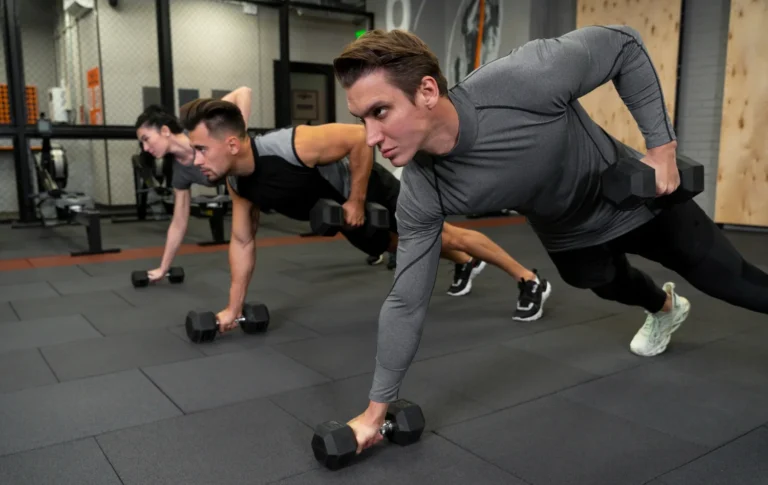
For upper body engagement, standard push-ups remain the absolute gold standard for building dense chest strength. If standard push-ups feel too difficult, you can easily modify them by resting on your knees. Similarly, rapid shoulder taps from a rigid plank position effectively blast your core and deltoids.
Finally, you must include heavy cardiovascular movements to truly maximize the four-minute protocol. Burpees, mountain climbers, and rapid high-knees forcefully engage your entire body at once. In conclusion, constantly mixing these dynamic movements prevents muscular adaptation and keeps your routine exciting.
Performing a Fitness Tabata Workout at Home
Modern adults constantly struggle to commute to a commercial gym after a long workday. Fortunately, a fitness tabata workout at home completely eliminates this common logistical barrier. You essentially use your own body weight as the primary source of muscular resistance.
Consequently, you do not need to purchase expensive dumbbells, heavy kettlebells, or bulky cardio machines. You only need a small patch of clear floor space and a reliable digital timer. Furthermore, this incredible accessibility makes it the perfect daily intervention for busy working parents trying to figure out how to maintain a healthy lifestyle.
In addition, working out privately in your living room removes the common anxiety associated with public gyms. You can safely push yourself to your absolute physical limit without feeling embarrassed or judged.
Optimizing a Fitness Tabata Workout for Weight Loss
Metabolic syndrome and clinical obesity remain massive public health crises in our modern society. Therefore, I frequently prescribe a targeted fitness tabata workout for weight loss to my struggling patients. The short bursts of maximal effort aggressively force your body to burn stored fat.
Because the exercise intensity remains so high, you trigger Excess Post-exercise Oxygen Consumption (EPOC). This biological phenomenon means your metabolism remains highly elevated long after you finish the workout. Consequently, your body continues oxidizing fat cells while you sit at your desk or relax.
In contrast, a slow, traditional treadmill walk only burns calories while you are actively moving. Thus, this high-intensity protocol delivers significantly better fat-loss results for busy individuals with limited time.
Adapted Tabata Workout for Beginners Female
Many of my female patients specifically request routines that prioritize lower-body strength, pelvic floor safety, and general fitness tips for women. A properly designed tabata workout for beginners female completely respects these unique physiological needs. First of all, you must heavily prioritize perfect form over raw, erratic speed.
Start your intervals with deep, controlled glute bridges to safely activate your posterior chain. Next, incorporate modified kneeling push-ups to gradually build essential upper-body pressing strength. Furthermore, step-back lunges provide excellent leg development without placing undue stress on your knee joints.
Most importantly, gradually increase your daily intensity as your core stabilizers become stronger. Never sacrifice your spinal alignment just to squeeze in one extra repetition before the timer beeps.
Safe Tabata for Beginners Over 50
Aging naturally alters our joint mobility and drastically changes our structural injury risk. However, a modified tabata for beginners over 50 drastically improves longevity and cardiovascular health. You simply must remove all high-impact jumping movements from the daily circuit.
For instance, replace explosive jump squats with standard, slow-motion chair squats. Similarly, substitute aggressive floor burpees with elevated wall push-ups to protect your sensitive rotator cuffs. Furthermore, you can easily perform rapid marching in place instead of high-impact jogging.
Consequently, you still elevate your heart rate into the necessary clinical zone without damaging fragile cartilage. I always remind my older patients that consistency matters significantly more than raw, punishing intensity.
Engaging Tabata Routines for Children

Childhood obesity requires immediate, engaging interventions that do not feel like forced punishment. Therefore, modifying this protocol into a fun, game-based activity works exceptionally well for young kids. You should slightly shorten the work intervals to roughly 15 seconds to match their natural attention spans.
Encourage them to perform fun movements like frog jumps, bear crawls, or invisible jump rope. Furthermore, focus entirely on the joy of movement rather than strict cardiovascular intensity. In the end, building healthy daily habits early prevents countless chronic metabolic diseases later in life.
Utilizing Proper Timers and Music
You simply cannot perform this specific protocol effectively while constantly staring at a wall clock. Therefore, you must utilize a dedicated mobile application to manage your crucial rest periods. The auditory beeps completely free your mind, allowing you to focus entirely on your physical exertion.
Likewise, pairing your timer with high-energy music drastically improves your overall physical performance. Clinical studies consistently show that listening to tracks between 140 and 180 BPM reduces perceived exertion. Consequently, a strong, driving bassline naturally pushes you to complete that final, agonizing repetition.
Common Mistakes to Avoid
Many eager beginners inadvertently sabotage their physiological results by making simple, avoidable errors. First of all, the most common mistake involves simply not pushing hard enough during the 20-second window. If you can easily hold a conversation during the work phase, you are completely failing the protocol.
Furthermore, skipping a proper dynamic warm-up practically guarantees a severe muscle strain. You must spend at least three minutes performing light arm circles and gentle leg swings beforehand. Finally, do not perform this brutal routine every single day, as your nervous system requires adequate recovery.
Clinical Health Benefits (MD Perspective)
From a strictly medical perspective, the systemic benefits of exercise seen in this protocol are truly undeniable. Routine high-intensity intervals drastically improve your endothelial function, which effectively lowers chronic high blood pressure. Furthermore, it significantly increases your cellular insulin sensitivity, helping to manage your blood sugar levels and prevent type 2 diabetes.
In addition, the heavy cardiovascular demand aggressively strengthens your left ventricular heart muscle. As a result, your resting heart rate drops, which is highly beneficial when you understand what your resting heart rate says about your health. Therefore, I consider this specific four-minute protocol a highly potent form of medicine for anyone asking what is preventive care.
Tabata Versus Standard HIIT
Patients often confuse these two distinct training methodologies during our clinical consultations. While all Tabatas are technically HIIT, not all HIIT routines qualify as true Tabatas. The key difference lies entirely in the rigid, unyielding timing structure.
Standard HIIT allows for highly variable work and rest periods, such as 60 seconds of work followed by 60 seconds of rest. In contrast, the Japanese protocol mandates the exact 20/10 structure for precisely four minutes. Furthermore, the sheer physical intensity required during those 20 seconds is significantly higher than standard intervals.
Frequently Asked Questions
What exactly is the meaning of this specific routine?
It is a highly specialized interval protocol requiring 20 seconds of maximum effort and 10 seconds of rest. You repeat this demanding cycle eight times to complete a scientifically proven four-minute cardiovascular block.
Can absolute beginners safely perform these intense movements?
Yes, beginners can easily adapt the routine by choosing low-impact, modified bodyweight exercises. You simply match the physical intensity to your current fitness level while strictly maintaining the timer format.
Does this short routine actually help burn stubborn fat?
Absolutely, the extreme exertion forces your body into an anaerobic state, burning significant calories rapidly. Furthermore, it triggers a massive metabolic afterburn, meaning you continue burning fat long after finishing.
Do I need to buy expensive gym equipment to start?
No, you do not need any specialized fitness equipment to achieve incredible cardiovascular results. You can easily perform highly effective routines in your living room using just your own body weight.
How long should a complete daily session last?
A single, true circuit lasts exactly four minutes from start to finish. However, as your stamina improves, you can string multiple blocks together for a 20-minute comprehensive session.
Conclusion
Reclaiming your physical health does not require endless hours suffering on a tedious elliptical machine. As we have thoroughly discussed, human cellular biology responds incredibly well to short, intense bursts of movement. By strictly following the 20/10 interval structure, you force your cardiovascular system to rapidly adapt and strengthen. Furthermore, the beauty of this methodology lies entirely in its universal accessibility for all ages.
Whether you are a busy parent or a senior citizen, you can easily modify the movements to suit your body. You simply replace high-impact jumps with safe, controlled bodyweight exercises while respecting the timer. Most importantly, this extreme efficiency completely eliminates the common excuse of not having enough time to exercise.
I strongly encourage you to clear a small space in your living room and download a simple interval timer today. Start with just four minutes of basic squats and push-ups, and carefully monitor how your energy levels skyrocket. Implementing a proper fitness tabata workout into your weekly routine will undoubtedly transform your long-term metabolic health.
Evidence-Based References:
- National Library of Medicine — Tabata training: one of the most energetically effective high-intensity intermittent training methods
- National Library of Medicine — Tabata protocol: a review of its application, variations and outcomes
- National Library of Medicine — Tabata-style functional exercise increases resting and postprandial fat oxidation but does not reduce triglyceride concentrations
- National Library of Medicine — Effects of Tabata Training During Physical Education Classes on Body Composition, Aerobic Capacity, and Anaerobic Performance of Under-, Normal- and Overweight Adolescents
- National Library of Medicine — Tabata training and its effect on children’s and adolescents’ physical and mental health: a systematic review and meta-analysis protocol
- National Library of Medicine — Physiological and performance adaptations to high-intensity interval training
- National Library of Medicine — Is high-intensity interval training a time-efficient exercise strategy to improve health and fitness?
- National Library of Medicine — High-intensity interval training and cardiorespiratory fitness in adults: An umbrella review of systematic reviews and meta-analyses
- National Library of Medicine — Effectiveness of High-Intensity Interval Training (HIT) and Continuous Endurance Training for VO2max Improvements: A Systematic Review and Meta-Analysis of Controlled Trials
- World Health Organization (WHO) — Physical activity
Related Posts




MORE from Author
Read More As a physician specializing in exercise science and public health, I regularly consult patients who feel completely lost in the…
 Just last week, a 34-year-old patient named Clara sat in my clinic, feeling entirely overwhelmed by the modern fitness industry.…


 Hello, I am Dr. Kenji Sato, MD, specializing in sports medicine and performance optimization. In my sports clinic, I constantly…
- In my clinical practice as a physician focused on exercise science, I often tell patients that mastering fitness bench workouts…