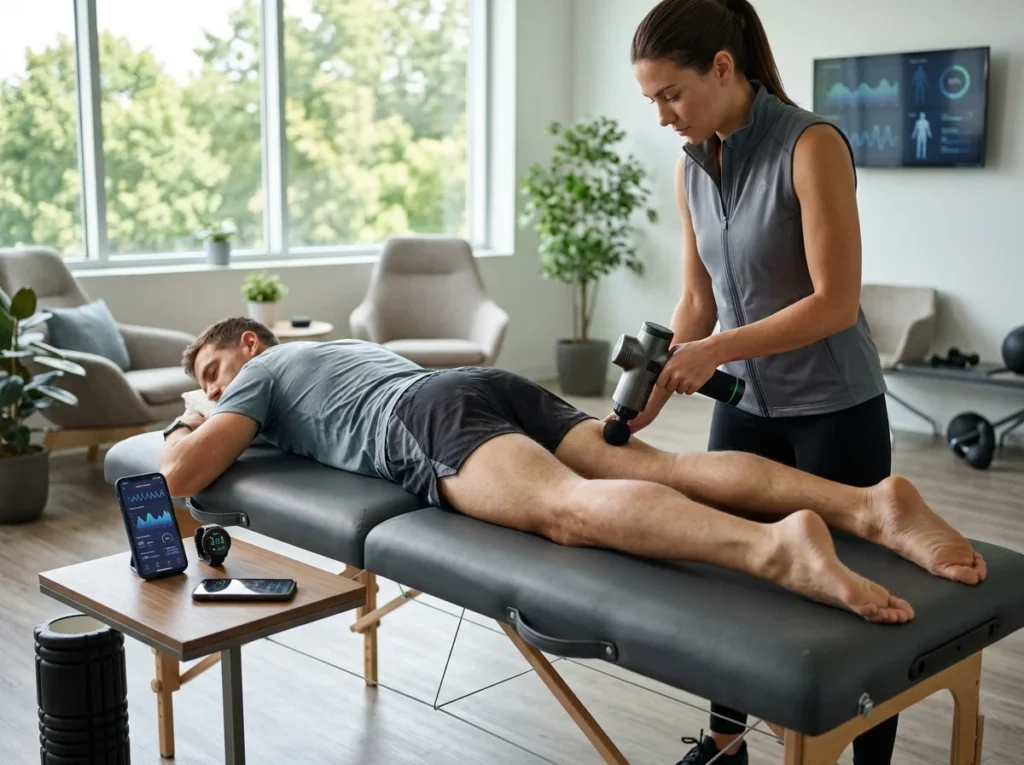
Physical Fitness Program: Complete Guide to Building an Effective Workout Plan

As a physician specializing in exercise science and public health, I frequently write prescriptions that have nothing to do with a pharmacy. Just last month, I sat down with a patient named David, who was battling severe metabolic fatigue and joint pain.
He was overwhelmed by the sheer volume of fitness advice online and didn’t know where to begin. I didn’t prescribe him medication; instead, I prescribed a structured physical fitness program tailored exactly to his biomechanics.
Within eight weeks, David’s resting heart rate dropped, his joint stiffness disappeared, and his daily energy stabilized. This transformation happened because we stopped treating exercise as a random activity and started treating it as a calculated, scientific intervention.
Research confirms structured exercise programs significantly improve metabolic health and reduce chronic disease risk.
A well-designed fitness routine acts as powerful preventative medicine. It can reverse chronic disease and optimize your mental health. In this comprehensive medical guide, we will break down the exact components of a balanced routine.
I will show you how to design a sustainable plan, set achievable milestones, and finally build a stronger, healthier body. For more foundational wellness strategies, explore our guide on what is a healthy living.
TL;DR
- A physical fitness program is a highly structured plan designed to improve cardiovascular health, strength, and mobility.
- The most effective routines always balance cardiovascular training, resistance exercises, flexibility work, and dedicated recovery.
- Setting strategic mini-goals and following a guided 12-week workout plan drastically improves long-term consistency.
- Workouts can be easily customized for your living room, a commercial gym, or structured military-style preparation.
What Is a Physical Fitness Program?
A physical fitness program is a structured routine of exercise designed to improve cardiovascular health, strength, flexibility, and overall physical performance.
It is not simply “going to the gym” or randomly lifting weights. Instead, it is a methodical, progressive system that safely challenges your body to adapt.
By applying intentional physical stress and allowing for proper recovery, the program forces your cardiovascular and muscular systems to grow stronger. The CDC recommends adults get 150 minutes of moderate aerobic activity weekly.
What Are the Two Important Parts of a Physical Fitness Program?
To build a sustainable routine, you must focus on two foundational pillars: exercise components and program structure.
First, the exercise components refer to the actual movements you perform. This combines cardiovascular conditioning, resistance training, and mobility work.
Second, the program structure refers to the frequency, intensity, and progressive overload you apply to those movements over time. Learn more about the comprehensive benefits of exercise for total body wellness.
A Good Physical Fitness Program Should Consist Of
To achieve optimal health and prevent overuse injuries, your plan must be multidimensional. Focusing on just one type of exercise often leads to severe muscular imbalances.
Cardiovascular Training
Cardiovascular exercise is the absolute foundation of cellular health. It improves your VO2 max. This is the maximum rate at which your heart, lungs, and muscles can effectively use oxygen during exercise.
Routine cardio strengthens the walls of your heart. It increases mitochondrial density within your cells. Whether you choose brisk walking, swimming, or cycling, this component is non-negotiable for longevity and disease prevention. Discover the best exercise for heart health to maximize cardiovascular benefits.
Strength and Resistance Training
Strength training is critical for maintaining bone mineral density. It prevents age-related muscle loss, known as sarcopenia. When you lift weights, you create micro-tears in your muscle fibers.
Your body repairs these fibers, making them thicker and much more resilient. This process not only builds functional strength. It also drastically improves your resting metabolic rate. This helps your body burn energy more efficiently throughout the day.
Flexibility and Mobility Work
Mobility is often the most neglected component of physical fitness. Flexibility refers to the passive lengthening of a muscle. Mobility refers to the active, controlled range of motion within a joint.
Incorporating dynamic stretching and yoga ensures that synovial fluid properly lubricates your joints. This prevents the stiff, aching joints that many older adults experience. It also protects against acute sports injuries.
Dedicated Physical Recovery
Exercise is the stimulus. Recovery is when the actual physical adaptation occurs. Your physical fitness program must include scheduled rest days to allow for tissue repair.
Without adequate sleep, hydration, and parasympathetic nervous system recovery, your body will enter a state of chronic overtraining. This leads to heavy fatigue and increased injury risk. Learn how much sleep do I need for optimal recovery.
For a Physical Fitness Program to Be Effective
A scientifically sound fitness program relies on four immutable principles to guarantee results.
First, consistency is the ultimate driver of physical change. A moderate workout done regularly will always beat a perfect workout done rarely. Second, progressive overload ensures that you continuously challenge your muscles. Slowly increase weight, repetitions, or intensity over time.
Third, proper recovery allows your central nervous system to reset between intense sessions. Finally, precise goal setting provides the psychological anchor needed to push through inevitable periods of low motivation.
How to Start a Fitness Program (Beginner Guide)
Starting a new regimen can feel overwhelming. Breaking it down into clinical steps ensures a safe and effective launch.
First, set clear, highly specific goals. Try “walking two miles without stopping” rather than “getting fit.” Next, honestly assess your current baseline fitness level. Note any joint pain or physical limitations.
Choose activities that you actually enjoy to ensure long-term adherence. Finally, create a realistic weekly schedule. Use a journal to meticulously track your daily progress. New to fitness? Check out these fitness tips for beginners to build confidence safely.
Beginning an Exercise Program: Best Practices
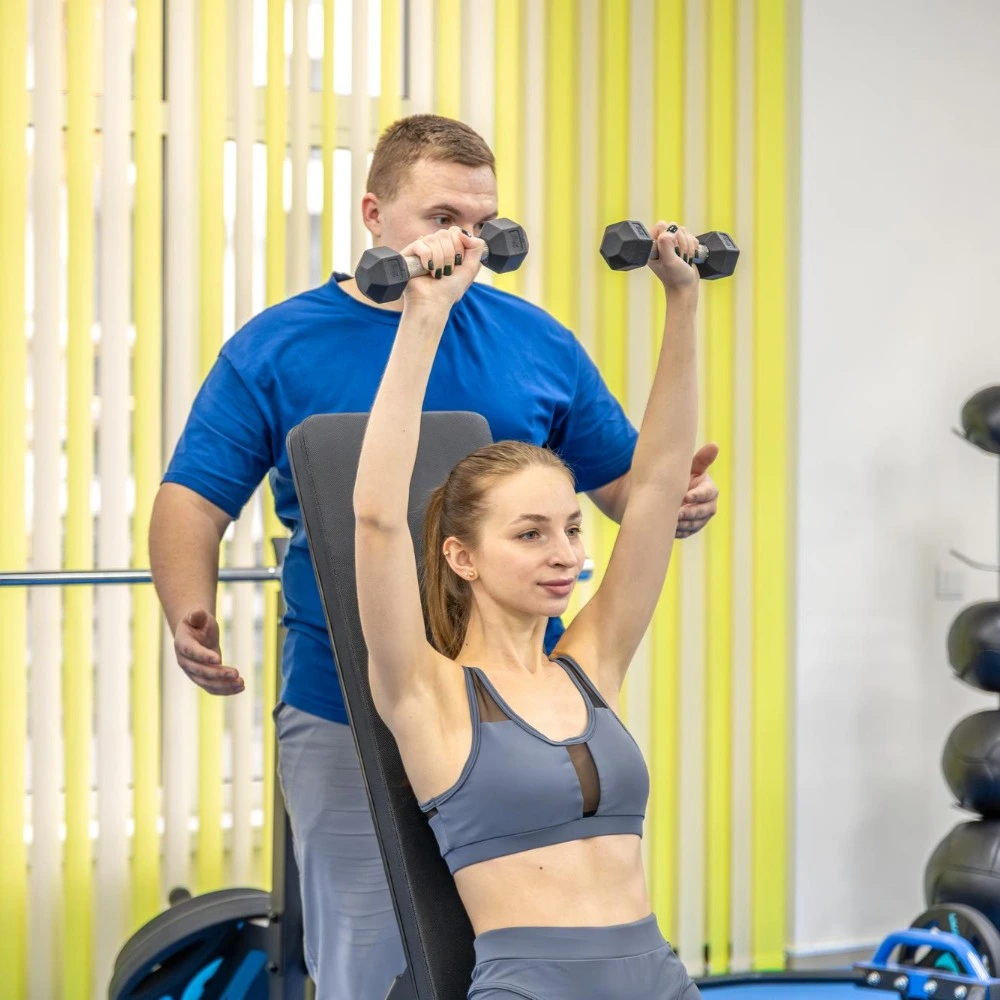
When transitioning from a sedentary lifestyle to an active one, ego is your biggest enemy.
You must start incredibly slow. Focus heavily on mastering the movement pattern before adding heavy resistance. Always prioritize a dynamic warm-up. This increases tissue temperature and blood flow to your working muscles. Focus purely on strict form. Poor mechanics will inevitably lead to serious orthopedic injuries.
Design a Complete Fitness Program
A well-designed plan balances different energy systems throughout the week. This maximizes results while minimizing systemic fatigue.
Weekly Structure Example
| Day | Workout Focus | Goal of the Session |
|---|---|---|
| Mon | Strength Training | Full-body resistance to build muscle |
| Tue | Cardio (Zone 2) | Steady-state aerobic capacity building |
| Wed | Active Rest | Gentle walking or light stretching |
| Thu | Strength Training | Full-body resistance and core stability |
| Fri | Cardio (HIIT) | High-intensity intervals for metabolic conditioning |
| Sat | Flexibility / Yoga | Joint mobility and central nervous system recovery |
| Sun | Full Rest | Total physical and mental recovery |
12-Week Workout Program (Structured Plan)
In clinical exercise science, we utilize “periodization.” This means breaking training into distinct phases. A standard 12-week workout plan is the perfect timeframe to see measurable physiological changes.
Weeks 1 to 4: The Foundation Phase
During the first month, your primary goal is neuromuscular adaptation. Your brain is learning how to efficiently fire motor units to control your muscles.
We keep the weights very light. The cardiovascular intensity stays moderate. The focus is entirely on perfecting your form. Build a consistent weekly habit. Safely condition your tendons and ligaments for the harder work to come.
Weeks 5 to 8: The Progression Phase
Entering the second month, your connective tissues are stronger. Your movement patterns are stable. This is where we apply the principle of progressive overload.
We gradually increase the resistance on your strength days. Slightly extend the duration of your cardio sessions. You will likely begin to notice physical changes in the mirror. Experience a significant increase in your daily baseline energy levels.
Weeks 9 to 12: The Optimization Phase
In the final month, we push your aerobic capacity and muscular endurance to their new limits.
We might introduce advanced training techniques. Try supersets or higher-intensity interval cardio. By week 12, your resting heart rate should be lower. Your muscle tone will be highly defined. Your overall physical resilience will be vastly improved. For structured planning, see our free fitness workout plan.
Workout Plan Options
Fitness is highly personal. You must choose an environment and a style of training that fits your lifestyle.
Workout at Home Routines
You do not need an expensive gym membership to achieve exceptional health. Home workouts relying on bodyweight exercises like push-ups, squats, and planks are incredibly effective.
By purchasing minimal equipment—like a set of resistance bands and a single kettlebell—you can create enough mechanical tension to build serious strength directly in your living room. Explore more bodyweight fitness exercises you can adapt anywhere.
Weight Training and Strength Focus
If your goal is metabolic health, heavy weight training is arguably the most efficient tool available.
Lifting heavy weights dramatically increases your insulin sensitivity. This helps your body process blood sugar much more effectively. It also builds robust, functional muscle mass. This naturally protects your joints from the wear and tear of aging.
How Do Mini Goals Help a Physical Fitness Program?
Mini-goals improve motivation by creating small, highly achievable milestones. They build daily consistency and psychological momentum.
Psychological Benefits of Mini Goals
When looking at a massive weight-loss or strength goal, the brain often experiences decision paralysis.
Mini-goals, such as “drinking 60 ounces of water today” or “completing three workouts this week,” offer immediate dopamine hits upon completion. This drastically increases program adherence. It heavily reduces mental burnout. It provides highly measurable progress markers.
How to Motivate Yourself to Exercise
Motivation is a highly unreliable emotion. Discipline is what actually creates results.
To stay on track, you must set realistic expectations rather than demanding immediate perfection. Meticulously track your workouts. Seeing a streak of success on paper is incredibly motivating.
Finally, implement a system of non-food rewards to celebrate your consistency at the end of each month. For mindset strategies, read how to improve mental wellness.
What Is the Final Step in Physical Fitness Program Planning?
The final step is continuous evaluation and adjustment. Base this on your physical progress, energy levels, and objective medical results.
Specialized Fitness Programs
Throughout history, institutions have designed specific programs to test and elevate the physical readiness of the population.
- Presidential Physical Fitness Program: Historically utilized in American schools, this program established youth-focused fitness benchmarks.
- JFK Physical Fitness Program: Initiated by President John F. Kennedy, this was a massive historical movement promoting youth fitness.
- La Sierra Physical Fitness Program: Developed at a high school in California, this was a highly rigorous, school-based daily fitness model.
- Army Physical Fitness Program: Designed for combat readiness, this program builds intense muscular strength, cardiovascular endurance, and deep mental discipline.
- USMC Marine Corps Physical Fitness Program: The Marine Corps demands exceptionally high-intensity physical training focused on sustained combat readiness.
- Army Regulation AR 7-22 Guidelines: This is the specific military regulation that officially covers the holistic health and fitness protocols for the U.S. Army.
- Air Force Fitness Program: The Air Force utilizes a slightly different approach, placing a heavy focus on high-level aerobic fitness and core strength.
Youth Physical Fitness Program

Physical education for children is crucial for long-term public health.
Engaging youth in structured fitness builds lifelong habits. This prevents early-onset metabolic diseases. Furthermore, regular vigorous exercise drastically improves mental health. It reduces rates of adolescent anxiety and depression.
Who Can Benefit From a Physical Activity Program?
Everyone benefits profoundly from structured physical activity. This includes completely sedentary beginners, elite athletes, and older adults managing chronic illnesses.
How Do I Choose the Right Type of Physical Activity?
Your ideal activity should be chosen based heavily on your personal medical goals and your current baseline fitness level.
If you have severe joint pain, swimming is an excellent starting point. If you need to build bone density, weightlifting is mandatory. Ultimately, your personal preferences dictate success. If you hate running, do not force yourself to jog.
What Is the 3-3-3 Rule for Fitness?
The 3-3-3 rule is a simple, highly effective structure for balanced weekly health. It recommends completing three strength exercises, three dedicated cardio sessions, and three flexibility routines every single week.
What Exercise Is Good for Stiff Joints?
For patients with osteoarthritis or general stiffness, motion is lotion.
Low-impact cardio, such as using an elliptical machine or a stationary recumbent bike, gets the blood flowing without impact trauma. Dedicated stretching routines and beginner yoga help actively restore lost mobility. This gently lengthens tight connective tissues. Learn targeted moves for fitness lower back pain.
Best Exercise App for Perimenopause
During perimenopause, drastic hormonal shifts heavily impact energy levels, joint health, and muscle retention.
The best apps for this transition focus on hormone-aware workouts. You should look for programs that prioritize heavy strength training to combat bone loss. Combine this with targeted joint mobility work and highly adaptable daily intensity options. Understand common symptoms of perimenopause to tailor your approach.
Tools to Support Your Fitness Program
In the digital age, you do not have to guess how to perform a movement.
Utilizing fitness apps and digital tracking tools helps you monitor your progressive overload accurately. Platforms like MuscleWiki are incredibly useful. They allow you to click on a specific muscle group and instantly see medical-grade demonstrations of exercises for that area.
Physical Fitness Programs Near You
Local community resources are often the most accessible way to begin your health journey.
Whether you are looking for a physical fitness program near me in Katy, TX, or searching for specialized group training in St. Petersburg, FL, local options abound. Cities like Chico, CA, and Jersey City, NJ, boast excellent municipal recreation centers offering highly affordable, structured classes.
Always encourage local search optimization to find vetted professionals right in your own neighborhood.
Common Mistakes to Avoid
The fastest way to derail your progress is by falling into common psychological and physical traps.
Overtraining is the most prevalent issue. Doing too much volume too quickly destroys your central nervous system. Skipping your dedicated recovery days leads to severe muscle strains. Finally, setting highly unrealistic goals—like losing 20 pounds in a month—guarantees emotional failure and early program abandonment.
Frequently Asked Questions
What is a physical fitness program?
A physical fitness program is a highly structured, progressive plan designed to steadily improve cardiovascular health, muscular strength, and joint mobility through regular exercise.
How do mini-goals help a fitness program?
Mini-goals break massive objectives into small, manageable milestones. This drastically improves daily motivation and builds the psychological consistency needed for long-term adherence.
How long should a workout program be?
For optimal physiological adaptation, most effective training programs are structured in 8 to 12-week blocks. This allows enough time for the body to build muscle and increase aerobic capacity safely.
Can beginners start a fitness program at home?
Yes, absolutely. With proper medical guidance and a focus on slow progression, beginners can build exceptional functional strength and cardiovascular health right in their living rooms using just their body weight.
How many days a week should I work out?
For general health and disease prevention, aiming for three to five days of structured physical activity per week provides the best balance of stimulus and necessary physical recovery.
Conclusion
Building a sustainable physical fitness program is the most profound investment you can make in your long-term health. It is not about punishing your body or achieving overnight perfection. It is about consistent, scientifically-backed progression.
By strategically blending cardiovascular conditioning, strength training, and dedicated mobility work, you actively equip your body to fight chronic disease and aging. Remember that every master was once a beginner. Even the most elite athletes rely on structured programming and adequate rest to succeed.
Start exactly where you are today. Set a small, achievable mini-goal for this week. Listen closely to your body’s medical signals. Allow your new routine to transform not just your physical strength, but your overall mental resilience. For more strategies on how to stay healthy long-term, explore our wellness resources.
Medical References & Further Reading:
- CDC. Physical Activity Guidelines. cdc.gov/physicalactivity
- WHO. Physical activity fact sheet. who.int/physical-activity
- ACSM. Training Principles. acsm.org
- Harvard Health. VO2 Max Benefits. health.harvard.edu
- NIH. Strength Training & Aging. nih.gov
- Mayo Clinic. Flexibility Essentials. mayoclinic.org
- Sleep Foundation. Recovery Science. sleepfoundation.org
- American Heart Association. Cardio Guidelines. heart.org
- NIH. Sarcopenia Prevention. nih.gov
- CDC. Overtraining Prevention. cdc.gov
Related Posts



MORE from Author
Read More As a physician specializing in exercise science and public health, I regularly consult patients who feel completely lost in the…
 Just last week, a 34-year-old patient named Clara sat in my clinic, feeling entirely overwhelmed by the modern fitness industry.…

 Hello, I am Dr. Kenji Sato, MD, specializing in sports medicine and performance optimization. In my sports clinic, I constantly…
- In my clinical practice as a physician focused on exercise science, I often tell patients that mastering fitness bench workouts…