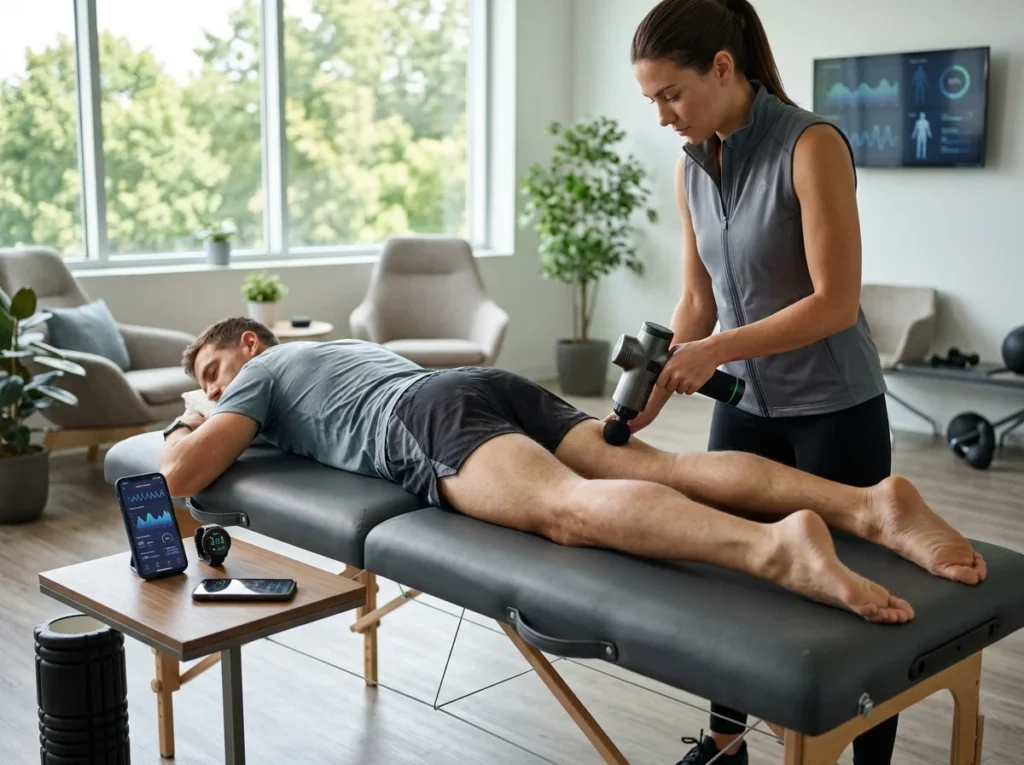
Fitness Music Workout: Best Gym Songs, Playlists & Motivation Tracks (2026 Guide)
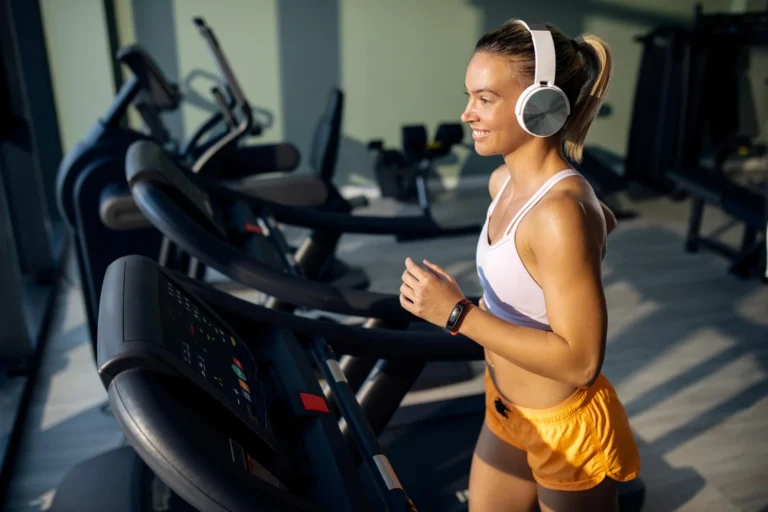
As a sports medicine physician, I often work with patients who struggle to maintain endurance and performance during training. One strategy I frequently recommend is using the right fitness music workout approach to improve motivation and consistency.
During a recent evaluation, I treated a patient who kept quitting her marathon training because of mental fatigue halfway through each run.
Rather than changing her physical training plan, we adjusted her workout playlist by matching the beats per minute (BPM) of her music to her target heart rate and running pace. The results were impressive—her perceived exertion dropped, her motivation improved, and her running performance became far more consistent.
This comprehensive guide breaks down the science of auditory stimulation and provides the ultimate workout playlists to maximize your physical performance. For more on the benefits of exercise, explore our guide.
TL;DR
Music acts as a legal performance enhancer, improving overall workout performance by up to 15%. The best workout music aligns with your heart rate: 120–140 BPM for cardio, and 140–180 BPM for HIIT.
Specific genres like EDM, hip-hop, pop, and heavy rock are clinically proven to boost motivation and focus. Curated playlists actively reduce perceived effort, helping you push through intense fatigue.
Why Music Matters in a Fitness Workout
Understanding why a proper fitness music workout is effective requires looking at the profound connection between auditory processing and the human nervous system. When you listen to rhythmic audio, your brain experiences auditory-motor synchronization.
This synchronization means your body naturally wants to move in time with the beat, which directly improves your overall exercise coordination. Relying on workout music exercise tracks actively distracts the brain from the physical pain of lactic acid buildup.
By engaging the brain’s sensory pathways, music heavily reduces your rate of perceived exertion (RPE). This biological distraction allows athletes to push heavier weights and run longer distances without consciously feeling the increased physical strain.
Learn more about what your resting heart rate says about your health to better match your music.
What Music Is Best for Working Out?
If you are wondering what music is best for working out, the answer lies strictly in the tempo and the emotional resonance of the track. Fast-paced music ranging from 120 to 180 BPM generally works best for moderate to high-intensity training.
The most effective genres consistently feature heavy, driving basslines and predictable rhythms. Electronic Dance Music (EDM) is widely considered the gold standard for continuous cardio because its relentless beat perfectly mimics a runner’s ideal footfall pattern.
Hip-hop and hard rock are exceptional for heavy resistance training. These genres often contain aggressive lyrics and intense instrumentals that trigger a mild adrenaline release, naturally preparing the nervous system for explosive lifting. For tailored advice, see our fitness tips for women or fitness tips for beginners.
What Are the Best Gym Workout Songs?
Determining what the best gym workout songs are depends entirely on the specific phase of your training session. The best songs for exercise seamlessly blend a driving rhythm with an uplifting or aggressive emotional undertone to keep you moving.
Your best exercise music should always include a mix of trending modern hits and evergreen, classic anthems. Familiarity breeds comfort, and hearing a beloved, high-energy track during a grueling set can provide a sudden burst of much-needed psychological stamina.
Tracks with distinct “beat drops” are particularly effective. Athletes can time their heaviest lifts or their fastest sprint intervals precisely with the song’s crescendo, maximizing their explosive power output.
Top 100 Workout Songs (2026 Playlist Structure)
Building the ultimate top 100 workout songs requires careful categorization to ensure you have the right auditory fuel for every phase of your session. A randomly shuffled playlist can ruin your pacing if a slow ballad plays during a heavy deadlift.
The Warm-Up Phase
Your warm-up tracks should hover around 90 to 110 BPM. This tempo gently elevates your heart rate without causing premature exhaustion. Look for upbeat pop tracks or light hip-hop instrumental beats that encourage dynamic stretching and light mobility work.
The Steady-State Cardio Phase
For jogging, cycling, or the elliptical, you need consistent, unwavering beats between 120 and 140 BPM. House music, modern pop remixes, and driving synth-wave tracks are perfect here. They allow you to lock into a repetitive groove and simply zone out. For optimal best exercise for heart health, match your BPM.
The Heavy Strength Phase
When moving heavy iron, tempo matters less than intensity. You need heavy bass, aggressive guitars, and powerful vocals. Nu-metal, trap music, and hardstyle EDM are the dominant genres here, providing the psychological aggression needed for maximum muscular recruitment.
The Cooldown Phase
After your central nervous system has been highly stimulated, you must bring it down safely. Cooldown tracks should drop to 60 to 90 BPM.
Acoustic covers, ambient electronic music, and lo-fi hip-hop help lower your heart rate and initiate the parasympathetic recovery process. Prioritize how much sleep do I need for optimal recovery.
Best Workout Playlists for Every Goal
Selecting the best workout playlists is the easiest way to guarantee a highly productive gym session. You should never waste your rest periods scrolling through your phone looking for music to exercise by playlist options.
Preparing a dedicated fitness music workout playlist for specific training modalities ensures continuous focus. Dr. Sato advises all his athletic patients to build highly specific folders for their best workout music playlist to prevent mid-session distractions.
Cardio and Running Playlist
A proper cardio playlist is mathematically designed to match your footfalls. For an average runner, maintaining a cadence of 140 to 160 steps per minute is ideal for joint health and efficiency. Your playlist should strictly feature continuous, high-BPM tracks that prevent you from slowing down.
Strength Training Playlist
Heavy resistance training requires explosive power, not endurance. Your strength playlist should rely on heavy, aggressive beats found in modern hip-hop, metalcore, or dubstep. The goal is to psych yourself up for the 10 to 15 seconds it takes to complete a heavy barbell set.
High-Intensity Interval Training (HIIT) Playlist
HIIT workouts are brutal, short bursts of maximum effort. Your music must match this chaos. Choose playlists featuring incredibly fast, intense tracks ranging from 150 to 180 BPM.
Drum and bass or fast-paced techno are perfect for sustaining this level of cardiovascular output. Explore our guide to fitness HIIT training for more.
Yoga and Recovery Ambient Playlist
Recovery is just as critical as the workout itself. Integrating specific yoga music into your active recovery days helps lower systemic cortisol. Look for playlists featuring calm, ambient sounds, singing bowls, and slow instrumental tracks to facilitate deep, diaphragmatic breathing.
Dance & Aerobics Fitness Music
Group fitness classes thrive entirely on the energy of their soundtracks. High-quality aerobics music is specifically mixed to have seamless transitions, ensuring the class never stops moving between tracks.
Instructors frequently use Zumba country dance fitness music workout DVD formats to blend international rhythms with high-energy choreography. This fusion of Latin beats, reggaeton, and pop dance hits creates an environment that feels more like a party than a grueling workout.
The continuous 130 BPM tempo of these dance mixes naturally elevates the heart rate into the optimal fat-burning zone. It is a highly effective, low-impact cardiovascular strategy for patients who despise traditional treadmill running.
Ibiza & EDM Fitness Music Workouts
For those who want a club-like atmosphere in their garage gym, an Ibiza fitness music workout is the ultimate choice. These playlists feature long, continuous DJ-style mixes that completely eliminate silent gaps between songs.
Club-inspired beats, progressive house, and trance music provide a hypnotic, driving rhythm. This steady auditory pulse is incredibly effective for long-duration endurance events, such as marathon rowing or extended cycling sessions.
The continuous rhythm tracks prevent your brain from realizing how much time has passed, effectively bypassing the mental fatigue that often ruins long cardio days.
Motivational Music for Workout Performance
Sometimes, a heavy beat is not enough; you need powerful words. Using motivational music for workout sessions involves selecting tracks with deeply inspiring lyrics that resonate with your personal fitness journey.
The best motivational songs for gym environments often tell a story of overcoming massive adversity. When you are struggling through your final set, hearing lyrics about resilience and victory can provide the exact psychological push needed to finish.
Workout gym motivation music frequently incorporates cinematic scores or audio clips from famous motivational speeches layered over heavy basslines. This dramatically enhances mental focus and total athletic commitment. Managing how to deal with stress also supports performance.
Gym Music Remix & Power Workout Music
Familiar songs remixed with a faster tempo are a staple in commercial gyms. A gym music remix takes a standard radio hit and aggressively increases the BPM while adding heavy, synthetic basslines.
This power music workout style is incredibly popular because it combines the comfort of a song you already know with the physiological benefits of high-tempo EDM. It tricks the brain into enjoying the elevated heart rate.
Searching for the best gym music often leads athletes directly to these high-energy remixes, as they provide the perfect background noise for both heavy lifting and intense circuit training. For structured routines, check our free fitness workout plan.
Free Exercise Music on YouTube
You do not need a premium streaming subscription to access world-class training audio. There is an endless supply of free exercise music on YouTube curated specifically by professional DJs and fitness enthusiasts.
I highly recommend utilizing their search bar strategically. Searching for specific terms like “Workout music 2026 mix” or “1-hour aggressive Gym music playlist” will yield hundreds of ad-free, continuous mixes.
These YouTube mixes often display a timer on the screen, which is incredibly useful for tracking your total workout duration without needing to look at your smartwatch or gym clock.
What Do Fitness Instructors Use for Music?
Patients often wonder what fitness instructors use for music to keep their group classes so perfectly synchronized. Professionals rarely rely on basic shuffle features on standard streaming apps.
Instead, they use specialized DJ apps and fitness-specific streaming tools that allow them to manually adjust the BPM of any track without distorting the vocals. This ensures every song matches the exact pace of their choreography.
They spend hours building pre-made, highly curated playlists that follow a specific emotional arc: a gradual warm-up, a high-intensity peak, and a slow, controlled cooldown track to end the session safely.
Ideal BPM for Different Workouts
Matching your music’s tempo to your intended physical output is a proven exercise science strategy. Use this precise guide to build your playlists.
| Workout Type | Ideal BPM Range | Best Suited Musical Genres |
|---|---|---|
| Warm-up & Mobility | 90–110 BPM | Light Pop, R&B, Lo-Fi Hip Hop |
| Steady-State Cardio | 120–140 BPM | House, Techno, Upbeat Pop |
| HIIT & Sprinting | 140–180 BPM | Drum & Bass, Hardstyle, Punk |
| Heavy Strength | 110–130 BPM | Heavy Metal, Trap, Hard Rock |
| Yoga & Cooldown | 60–90 BPM | Ambient, Acoustic, Classical |
The 3-3-3 Rule for Workout (Clarified)
Many patients ask me what the 3-3-3 rule for workout routines is and how it applies to their gym timing. It is a highly simplified, structured approach to building a fast, effective training block.
The rule stands for selecting exactly 3 exercises, performing them for 3 total sets, and allowing for exactly 3 minutes of total rest (or high-intensity intervals) between the large blocks.
When you pair the 3-3-3 rule with a continuous, high-BPM playlist, you eliminate all wasted time in the gym. The music keeps you strictly on pace, ensuring your heart rate stays elevated throughout the entire circuit. For more ideas, explore fitness circuit workout strategies.
How to Create Your Own Workout Playlist
Creating the perfect auditory environment requires more than just adding your favorite songs to a folder. You must structure the playlist to match your physiological output.
First, clearly choose your goal for the day. A heavy leg day requires a vastly different emotional soundtrack than a long, slow Sunday recovery jog.
Second, match your BPM to your heart rate. Use free tempo-analyzing tools to ensure your cardio tracks sit firmly in the 130 to 150 BPM range.
Finally, mix your genres and update the playlist regularly. Listening to the exact same tracks every single day leads to auditory fatigue, completely ruining the motivational benefits of the music. Learn how to maintain a healthy lifestyle with consistent routines.
Best Workout Music by Goal
Your training goal must dictate your auditory selection. If your primary goal is rapid fat loss, you must prioritize fast beats that encourage continuous, uninterrupted movement to keep your caloric burn high.
If your primary goal is muscle gain and absolute strength, shift toward aggressive music with heavy bass drops. This style naturally increases your aggression and prepares the central nervous system for heavy neurological loads.
Conversely, if your goal is flexibility, relaxation, and lowering cortisol, strictly avoid heavy percussion. Opt for slow-tempo, ambient tracks that facilitate deep stretching and parasympathetic recovery.
Frequently Asked Questions
What is the best music for workouts?
The absolute best music for workouts generally consists of high-energy, driving tracks with a tempo sitting between 120 and 180 Beats Per Minute (BPM), specifically tailored to match your target heart rate for that session.
What are the best gym songs?
The most effective gym songs usually fall into the Electronic Dance Music (EDM), aggressive hip-hop, and hard rock genres, as these tracks provide heavy basslines and motivational lyrics that reduce perceived exertion.
Does music genuinely improve workout performance?
Yes, clinical studies consistently show that listening to your preferred, high-tempo music acts as a mild performance enhancer, actively improving cardiovascular endurance, muscular power output, and overall exercise motivation.
What do professional fitness instructors use for music?
Professional group fitness instructors rely heavily on specialized BPM-matching software, DJ applications, and highly curated, continuous playlists to ensure the music perfectly matches the pace and intensity of their choreography.
Can workout music be dangerous?
While the music itself is highly beneficial, listening at excessively high volumes through earbuds can cause permanent hearing damage, and noise-canceling headphones can be dangerous if you are running outdoors near traffic.
Conclusion
Creating the ultimate fitness music workout is not just about making your gym time more entertaining; it is a highly proven, biological strategy.
As a sports medicine physician, I constantly remind my athletic patients that music is one of the most accessible and effective performance enhancers available. It actively overrides your brain’s fatigue signals and naturally forces your body to keep moving.
By intentionally matching your playlist’s BPM to your target heart rate, you instantly improve your cardiovascular efficiency and overall muscular endurance.
Whether you rely on heavy EDM for a massive deadlift or soothing ambient sounds for your yoga cooldown, deliberate auditory stimulation matters. Stop relying on random, slow-tempo radio stations that completely ruin your training momentum.
Take the time today to curate your personalized, high-energy playlists based entirely on the scientific strategies we discussed above. Grab your headphones, dial in your target BPM, and watch your daily athletic performance reach unprecedented new heights.
You have the clinical blueprint; now it is time to press play and get to work. Start your journey with how to start a healthy lifestyle today.
Medical References & Further Reading:
- ACSM. Music & Exercise Performance. acsm.org
- NIH. Auditory-Motor Synchronization. nih.gov
- CDC. Physical Activity & Motivation. cdc.gov/physicalactivity
- Harvard Health. Music as a Performance Enhancer. health.harvard.edu
- WHO. Exercise Guidelines. who.int/physical-activity
- Sleep Foundation. Recovery & Heart Rate. sleepfoundation.org
- American Heart Association. Target Heart Rate Zones. heart.org
- Mayo Clinic. Stress Reduction Through Music. mayoclinic.org
- British Journal of Sports Medicine. BPM & Running Economy. bjsm.bmj.com
- Journal of Strength & Conditioning. Music & Perceived Exertion. jsc-journal.com
Related Posts


MORE from Author
Read More As a physician specializing in exercise science and public health, I regularly consult patients who feel completely lost in the…
 Just last week, a 34-year-old patient named Clara sat in my clinic, feeling entirely overwhelmed by the modern fitness industry.…

 Hello, I am Dr. Kenji Sato, MD, specializing in sports medicine and performance optimization. In my sports clinic, I constantly…
- In my clinical practice as a physician focused on exercise science, I often tell patients that mastering fitness bench workouts…