Fitness Pool Exercises: Full-Body Workouts, Weight Loss & Low-Impact Training
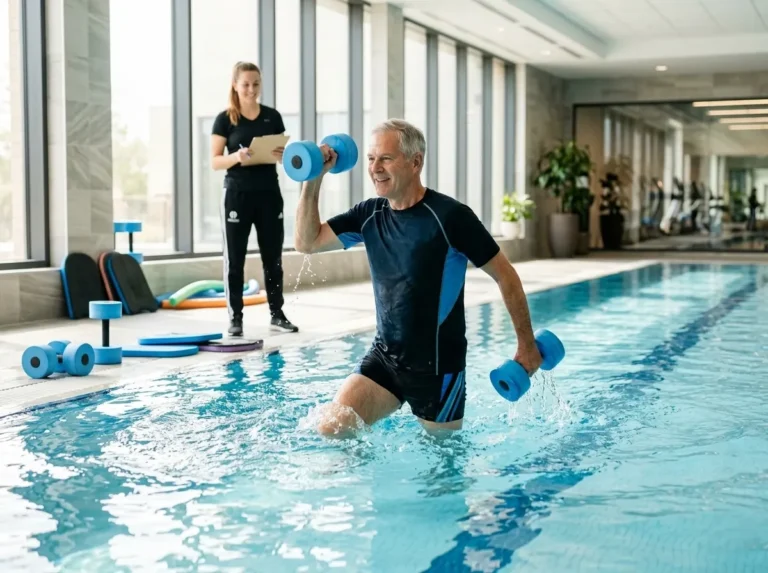
Hello, my name is Dr. Kenji Sato, MD. In my sports medicine practice, I frequently treat patients who desperately want to exercise but are severely held back by chronic joint pain. Just last month, I worked with a patient named Robert, a 62-year-old struggling with severe knee osteoarthritis and weight gain.
Robert believed his days of rigorous cardiovascular training were completely over. I introduced him to the profound medical benefits of fitness pool exercises, explaining how the buoyancy of water could completely support his joints.
Within weeks of starting a structured aquatic routine, Robert not only lost weight but also regained his mobility without a single day of knee pain. Research confirms aquatic-exercise interventions effectively reduce pain and joint dysfunction while improving quality of life for osteoarthritis patients.
Water is truly nature’s ultimate rehabilitation and fitness tool. In this comprehensive clinical guide, we will break down exactly how to utilize aquatic training for maximum physical results.
Whether you are a beginner, a senior, or someone looking to burn stubborn fat, these evidence-based routines will transform your approach to physical health.
TL;DR: Quick Summary
- Pool exercises provide highly effective, low-impact, full-body workouts.
- They are medically excellent for weight loss, seniors, and long-term joint health.
- Natural water resistance significantly increases your daily calorie burn.
- A structured 30-minute pool workout can drastically improve cardiovascular fitness.
- Consistency in the water matters far more than the intensity of the workout.
Do Exercises in the Pool Really Work?
Yes, pool exercises are highly effective. Water provides a constant, natural 360-degree resistance that safely strengthens muscles, improves cardiovascular fitness, and aggressively burns calories.
Furthermore, the buoyancy of water drastically reduces the physical stress placed on weight-bearing joints, making it an ideal environment for beginners, seniors, and people recovering from painful injuries.
The CDC recommends at least 150 minutes weekly of moderate aerobic activity for adults, including those with arthritis.
Benefits of Fitness Pool Exercises
The medical and physiological advantages of aquatic fitness cannot be overstated. Working out in the water physically alters how your body experiences exercise stress.
First and foremost, the buoyancy of water offsets up to 80% of your body weight when submerged to chest level. This creates a highly low-impact environment, protecting delicate cartilage in the knees, hips, and lower back.
A systematic review found that aquatic exercise relieved pain better than land-based exercise for knee osteoarthritis patients.
Secondly, water is nearly 800 times denser than air, meaning every single movement you make acts as full-body resistance training. This constant resistance forces your muscles to work harder, improving your cardiovascular health and increasing your overall baseline flexibility without the need for heavy gym equipment.
Learn more about the comprehensive benefits of exercise for total body wellness.
Full Body Workout in the Pool
To achieve a true full-body workout in the pool, you must intentionally target your upper body, core, and lower body simultaneously. Water naturally accommodates this by providing multi-directional resistance.
When creating pool exercises and full workout routines, it is vital to perform these movements with high intention and proper posture.
Deep Water Jogging
Water jogging is one of the most intense cardiovascular exercises you can perform without any joint impact. Wear a flotation belt and move to the deep end where your feet cannot touch the bottom. Mimic a standard running motion, driving your knees up high and pumping your arms forcefully against the water.
This movement aggressively targets your quads, hamstrings, and cardiovascular system. For heart health benefits, this cardio-focused movement is exceptional.
Aquatic Jump Squats
Jump squats in the water build explosive lower body power while completely protecting your knees upon landing. Stand in waist-deep water, lower your hips down as if sitting in a chair, and then forcefully jump straight up.
Allow the water to safely cushion your landing, instantly resetting your posture before the next repetition. This exercise heavily engages your glutes, calves, and core stabilizing muscles.
Dynamic Leg Kicks
Hold onto the edge of the pool with both hands and let your body float out straight behind you. Begin performing rapid flutter kicks, keeping your legs relatively straight and initiating the powerful movement directly from your hips.
This acts as a phenomenal isolation exercise for your entire posterior chain, heavily targeting the lower back and glutes.
Submerged Arm Pushes
To effectively train the chest and back, stand in chest-deep water with your feet staggered for balance. Cup your hands and forcefully push the water straight out in front of your chest, then immediately pull the water back toward your torso.
This push-and-pull motion heavily mimics a gym cable machine, creating excellent muscle tension across your pectorals and latissimus dorsi. Explore more bodyweight fitness exercises you can adapt for aquatic training.
30-Minute Pool Workout Plan
Consistency is key, and a structured 30-minute pool workout is more than enough time to achieve an excellent physiological response. This routine is designed to safely elevate your heart rate and fatigue your major muscle groups.
The American College of Sports Medicine recommends combining aerobic and muscle-strengthening activities for optimal health.
- Warm-up (5 min): Begin with gentle water walking back and forth across the shallow end to safely increase joint lubrication and blood flow.
- Cardio (10 min): Alternate between two minutes of high-intensity water jogging and one minute of rapid aquatic jumping jacks to spike your heart rate.
- Strength (10 min): Perform resistance exercises like aquatic jump squats and submerged arm pushes, aiming for 3 sets of 15 repetitions each.
- Cool-down (5 min): Finish with slow, deliberate stretching, holding onto the pool wall to gently elongate your hamstrings, calves, and chest muscles.
Pool Exercises to Lose Weight
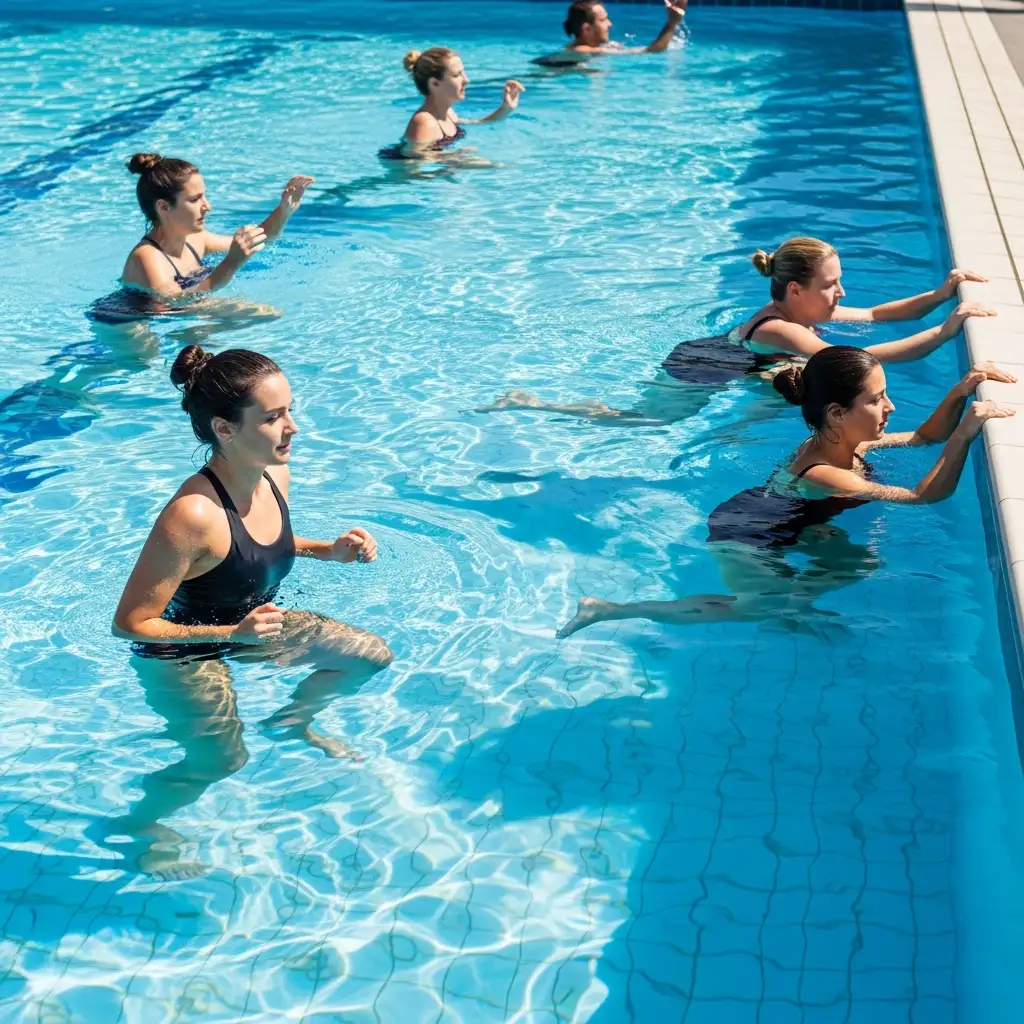
When programming pool exercises to lose weight, the clinical goal is to maximize total caloric expenditure.
Because water constantly cools your body, you can often push your cardiovascular limits much further than on land. A 150-pound person burns approximately 350 calories jogging in water for 30 minutes, compared to 250 calories on land [[Harvard Health]].
High knees in waist-deep water are incredibly effective; simply drive your knees toward your chest as fast as possible for 60-second intervals. Tuck jumps are another excellent fat-burning option, requiring you to jump and pull both knees up simultaneously while letting the water cushion the landing.
Finally, rapid flutter kicks holding the pool wall will heavily fatigue your lower body, drastically increasing your metabolic rate. Pair these workouts with a healthy diet to lose weight for optimal results.
What Exercise Burns the Most Belly Fat in the Pool?
High-intensity water exercises like deep-water jogging, rapid jumping jacks, and core-focused movements (such as suspended knee tucks and straight leg raises) burn the highest amount of overall calories.
By maximizing your total caloric expenditure, these movements help reduce your overall body fat percentage, which inevitably includes stubborn belly fat, especially when strictly combined with a healthy, calorie-controlled diet. Research shows water-based exercise programs significantly improve body composition over 10-12 weeks.
Pool Walking Exercises for Beginners
For absolute beginners or those recovering from severe trauma, simple pool walking exercises are the perfect entry point. The resistance of the water forces your stabilizing muscles to work overtime. If you’re new to fitness, check out these fitness tips for beginners to build confidence safely.
Begin with standard forward walking in waist-deep water, focusing heavily on striking with your heel and rolling through to your toes. Next, perform backward walking to directly target your hamstrings and challenge your spatial balance.
Finally, utilize side steps (shuffling sideways across the pool) to heavily engage your hip abductors, which are crucial muscles for preventing future falls.
Water Walking Exercises at Home
If you do not have immediate access to a full-sized swimming pool, you can still perform modified water walking exercises at home.
While a bathtub is too small for walking, you can perform seated water resistance movements, such as extending and bending your knees against the water’s drag. If you have access to a shallow backyard wading pool, practicing simple marching in place or gentle side-stepping can still provide valuable, low-impact joint movement.
Pool Exercises for Seniors
As a sports medicine physician, I highly recommend pool exercises for seniors to combat age-related muscle loss and severe arthritis. The aquatic environment virtually eliminates the deep fear of falling, allowing older adults to move with profound confidence.
When designing swimming pool exercises for seniors, the focus must heavily shift toward protecting balance and improving basic daily mobility. The WHO recommends that older adults include balance activities in their weekly routine.
Gentle Water Walking
Walking in chest-deep water provides excellent cardiovascular benefits without jarring the fragile vertebrae of the spine. Seniors should focus on keeping their chest up and shoulders back, utilizing the water to support their posture. This simple movement gently elevates the heart rate and drastically improves lower-body blood circulation.
Aquatic Arm Circles
To maintain essential shoulder mobility, seniors should stand in neck-deep water and extend their arms fully out to the sides. Slowly draw small, controlled circles with the hands, gradually increasing the size of the circles. The water’s resistance gently strengthens the rotator cuff muscles, which are highly prone to injury as we age.
Standing Leg Lifts
Holding onto the side of the pool for strict support, seniors can perform slow, controlled leg lifts directly out to the side or straight backward. This heavily targets the gluteus medius and lower back, muscles that are absolutely vital for maintaining independent walking capabilities and significantly reducing the daily risk of dangerous falls.
Water Exercises for Flabby Arms
Many patients specifically ask for water exercises for flabby arms to improve their upper body muscle tone. The density of water is perfect for safely isolating the triceps and biceps without the need for heavy dumbbells.
Water push-downs are incredibly effective; hold a buoyant object (like a kickboard) and forcefully push it down underwater, fighting the upward flotation. You can also perform standard arm curls by turning your palms up and pulling the water toward your shoulders.
Finally, lateral raises (lifting straight arms out to the sides) against the water’s drag will beautifully tone the shoulders.
Pool Weights Exercises
To elevate your aquatic training, incorporating pool weight exercises is highly recommended. Aquatic weights are usually made of specialized foam that creates heavy resistance through buoyancy, rather than actual mass.
Using foam dumbbells in the water forces your muscles to fight the upward pull, which is the exact opposite of land-based gravity. You can also utilize webbed resistance gloves to increase the surface area of your hands, making simple movements like arm sweeps incredibly challenging.
These tools are fantastic for rapid core strengthening, as your abdominals must constantly engage to keep you vertically stable.
Water Aerobic Exercise Routines
Structured water aerobics exercise routines free you from the monotony of traditional lap swimming. These routines mimic standard studio aerobics but safely transport them into a joint-friendly environment. For variety, try incorporating elements of HIIT training into your aquatic sessions.
A great example routine starts with 3 minutes of aggressive marching in place to warm up the hips. Transition immediately into 3 minutes of aquatic jumping jacks to spike the cardiovascular system.
Follow this with a cross-country skiing motion—scissoring your arms and legs back and forth simultaneously—to challenge your full-body coordination and burn high calories.
What Are Some Good Pool Workouts?
Good pool workouts include a structured mix of deep-water jogging, heavy resistance exercises utilizing foam pool weights, rapid jumping jacks, flutter leg kicks, and varied walking drills.
By deliberately combining high-heart-rate cardio intervals with specific strength movements, you create a highly effective, low-impact full-body workout.
What Is the 3-3-3 Rule for a Workout?
The 3-3-3 workout rule typically refers to performing exactly 3 sets of 3 different exercises for 3 minutes each. This creates an incredibly simple, highly structured workout routine that prevents mental fatigue and can easily be adapted for aquatic fitness, ensuring you maintain a high level of intensity without getting bored.
Ice Water Hack for Weight Loss: Does It Work?
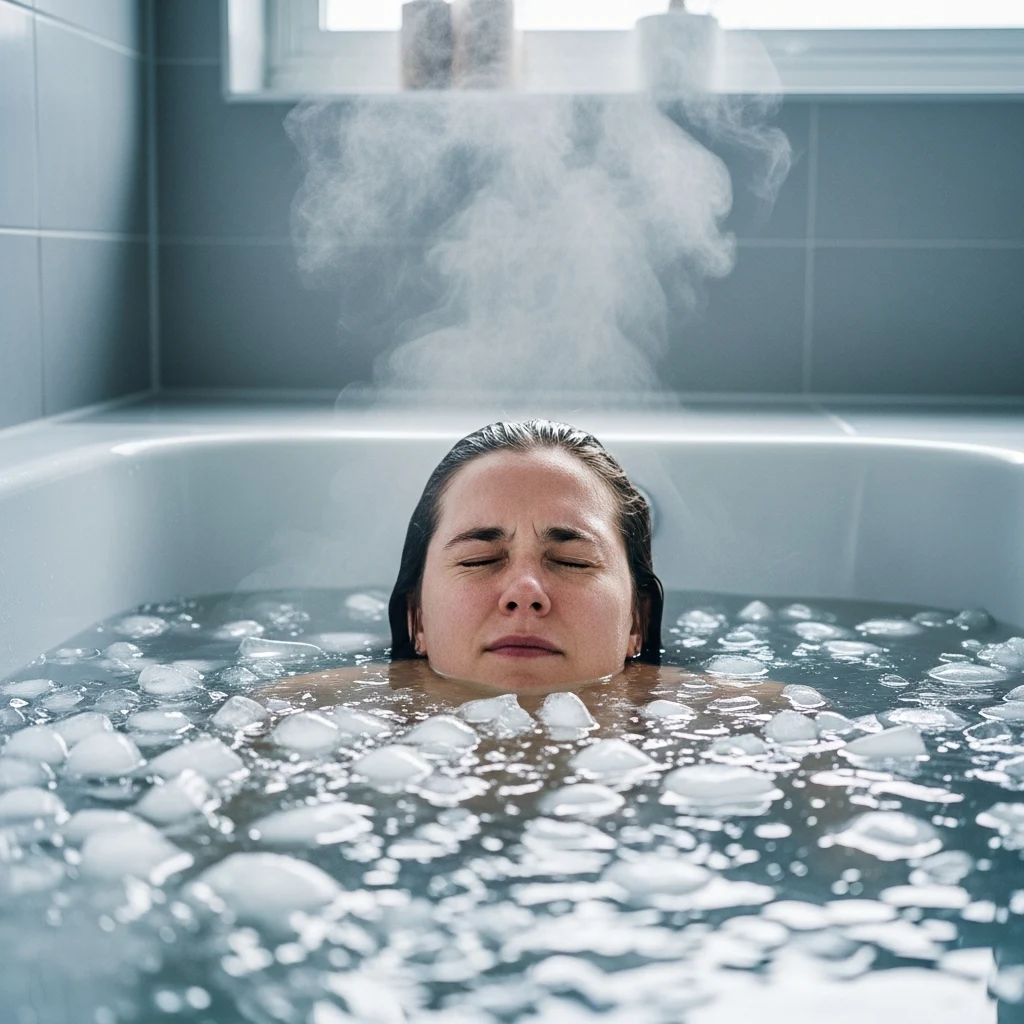
You may have seen viral trends promoting the “ice water hack” for rapid fat burning. As a medical professional, I must provide an evidence-based take: this is largely a fitness myth.
While your body does expend a microscopic amount of energy to heat cold water to core temperature, the total calorie burn is completely clinically insignificant. Immersing yourself in freezing water is absolutely not a substitute for rigorous physical exercise.
To see real changes in your body composition, you must focus entirely on sustainable fitness habits and consistent, challenging pool workouts.
Weekly Pool Workout Plan
To see measurable physiological changes, you need a structured, medically sound weekly schedule. Here is a highly effective, balanced example plan designed for steady progression:
- Monday, Wednesday, Friday: 30 minutes of high-intensity, cardio-focused aquatic training (water jogging, jumping jacks, flutter kicks).
- Tuesday, Thursday: 25 minutes of targeted strength training utilizing foam pool weights and heavy water resistance movements.
- Saturday: 20 minutes of gentle, active recovery, focusing heavily on deep water stretching and slow pool walking.
- Sunday: Complete rest to allow your muscles to safely repair and rebuild.
Safety Tips for Pool Exercises
While aquatic training is incredibly safe, proper medical precautions must always be taken. Even though you are submerged in water, you are still heavily sweating; you must stay strictly hydrated by drinking plenty of fresh water during your routine.
Furthermore, because the water keeps you cool, it is very easy to accidentally ignore your body’s fatigue signals and risk severe overexertion. Always listen to your breathing rate. Finally, if you are exercising in a pool with a highly abrasive bottom, wear specialized aquatic water shoes to prevent painful foot abrasions.
Who Should Try Pool Workouts?
Aquatic exercise is highly beneficial, but it is specifically life-changing for certain demographics. Absolute beginners who are deeply intimidated by traditional gyms thrive in the privacy and comfort of the water.
Seniors drastically improve their balance without the terrifying risk of falling. People suffering from chronic joint pain, osteoarthritis, or recovering from orthopedic surgery require this low-impact environment to heal.
The Arthritis Foundation specifically recommends water exercise for joint pain relief. Finally, severely overweight individuals find that water safely supports their mass, allowing them to exercise pain-free.
When to Avoid Pool Exercises
Despite the massive benefits, there are strict medical contraindications for aquatic exercise. You must completely avoid public pools if you have any open wounds, severe skin abrasions, or active surgical incisions to prevent massive bacterial infections.
Furthermore, patients with active contagious waterborne infections or severe, uncontrolled medical conditions—such as highly unstable blood pressure or severe seizure disorders—must avoid independent pool workouts until medically cleared by their primary physician.
Frequently Asked Questions
Are fitness pool exercises actually good for long-term weight loss?
Yes, pool exercises are incredibly effective for weight loss, especially when performed consistently. The constant, heavy resistance of the water forces your muscles to work harder, significantly increasing your overall daily caloric expenditure compared to standard land-based walking.
Can elderly seniors safely exercise in the swimming pool alone?
Yes, aquatic exercise is widely considered one of the absolute safest fitness options for older adults. The water heavily supports their body weight, greatly reducing harsh joint pain while completely eliminating the dangerous risk of falling during their workout.
Exactly how long should a standard pool workout last to be effective?
A highly focused, continuous pool workout lasting between 20 and 30 minutes is extremely effective. Because water provides constant, multi-directional resistance, your muscles fatigue much faster, allowing you to achieve an excellent workout in a shorter amount of time.
Do pool exercises actually build visible muscle mass?
Yes, engaging in aquatic exercises consistently builds and heavily tones lean muscle mass. By forcefully pushing and pulling against the dense water, or by utilizing buoyant foam pool weights, you create the necessary physical resistance required to trigger muscle growth.
Is it safe to do pool workouts if I cannot swim well?
Yes, it is entirely safe, provided you strictly remain in the shallow end where the water is waist-to-chest deep. Most highly effective aquatic exercises, such as water walking, squats, and arm pushes, require your feet to be planted firmly on the pool floor.
Conclusion
As a sports medicine physician, I want to reassure you that chronic joint pain or fitness anxiety does not have to dictate your physical health.
Fitness pool exercises offer a scientifically backed, highly accessible pathway to reclaiming your daily mobility. Water transforms movement from a painful chore into a deeply therapeutic, full-body healing experience.
Whether your primary goal is to safely lose weight, build lean muscle tone, or simply walk without severe knee pain, the pool is your ultimate rehabilitation tool. Remember that steady consistency will always yield better long-term medical results than occasional, intense exhaustion.
Start slowly, deeply respect your body’s limits, and celebrate the small, daily physical victories in the water.
I highly encourage you to grab your swimsuit, find a local community pool, and commit to just two or three short aquatic sessions this week.
You hold the absolute power to completely rewrite your fitness journey, and the water is patiently waiting to support you every step of the way. For more strategies on how to stay healthy long-term, explore our wellness resources.
Medical References & Further Reading:
- Centers for Disease Control and Prevention. (2024). About Physical Activity and Arthritis. https://www.cdc.gov/arthritis/prevention/index.html
- Arthritis Foundation. (2022). In the Swim: Aquatic Exercise for Arthritis. https://www.arthritis.org/health-wellness/healthy-living/physical-activity/other-activities/water-exercise-benefits-for-arthritis
- National Institutes of Health. (2022). Effects of Aquatic Exercises for Patients with Osteoarthritis. PMC8955208. https://pmc.ncbi.nlm.nih.gov/articles/PMC8955208/
- Harvard Health Publishing. (2023). What makes water workouts so worthwhile? https://www.health.harvard.edu/heart-health/what-makes-water-workouts-so-worthwhile
- World Health Organization. (2024). Physical activity fact sheet. https://www.who.int/news-room/fact-sheets/detail/physical-activity
- American College of Sports Medicine. Physical Activity Guidelines. https://acsm.org/education-resources/trending-topics-resources/physical-activity-guidelines/
- National Institutes of Health. (2023). Effects of Aquatic Exercises for Women with Rheumatoid Arthritis. PMC10218167. https://pmc.ncbi.nlm.nih.gov/articles/PMC10218167/
Related Posts
MORE from Author
Read More As a physician specializing in exercise science and public health, I regularly consult patients who feel completely lost in the…
 Just last week, a 34-year-old patient named Clara sat in my clinic, feeling entirely overwhelmed by the modern fitness industry.…
 Hello, I am Dr. Kenji Sato, MD, specializing in sports medicine and performance optimization. In my sports clinic, I constantly…
- In my clinical practice as a physician focused on exercise science, I often tell patients that mastering fitness bench workouts…