
Free Fitness Workout Plan (Home & Gym Programs for Beginners, Men & Women)

As a physician specializing in sports medicine and preventive health, I regularly see patients struggling with the high costs of modern wellness. Just last month, I sat down with a patient who was pre-diabetic, deeply stressed, and convinced that getting healthy required an expensive personal trainer. She was completely overwhelmed by the conflicting fitness advice online and asked me for a straightforward, cost-effective solution.
I handed her a structured, free fitness workout plan designed specifically for her current mobility levels and daily schedule. Within weeks, her joint pain decreased, her blood glucose levels began stabilizing, and she quickly learned what your resting heart rate says about your health as her own resting heart rate dropped significantly without a single expensive gym fee. Fitness does not require a premium subscription; it requires consistency, progressive effort, and a solid scientific foundation.
This comprehensive medical and fitness guide is designed to provide you with the exact tools you need to succeed. Whether you are exercising in your living room or stepping into a local community gym, these evidence-based routines will guide your journey. Let us break down the exercise science and build a sustainable routine that fits your life.
TL;DR: Quick Overview
- A structured fitness routine improves cardiovascular health, muscular endurance, and metabolic stability without requiring paid coaching.
- Beginners should focus on 3 to 4 days of full-body functional movements, allowing adequate time for neuromuscular recovery.
- Advanced gym-goers can utilize 6-day or 7-day splits to isolate specific muscle groups and maximize muscular hypertrophy safely.
- Home workout regimens utilizing only body weight can be just as effective for fat loss and foundational strength as heavy gym equipment.
What Is a Free Fitness Workout Plan?
In clinical sports medicine, we define this as a highly structured, self-guided exercise regimen designed to improve physical conditioning without financial barriers. It is a strategic map that outlines your daily physical exertion, specifying which muscle groups to target and how long to rest.
The best free workout programs bridge the gap between abstract health goals and actionable daily habits. Instead of wandering aimlessly around a gym or your living room, you have a precise set of movements to execute.
This type of structured planning eliminates decision fatigue, which is the primary reason most people abandon their fitness resolutions. By following a clear, pre-written schedule, you can safely apply the principles of progressive overload, experience the true benefits of exercise, and achieve measurable metabolic improvements.
How to Create a Workout Plan
Building a personalized regimen is much like writing a medical prescription; it requires understanding your current baseline and your ultimate objective. You do not need a premium free workout plan maker or a complex digital free workout planner to get started. You simply need to follow the foundational rules of exercise physiology and understand how to stay healthy to create a workout plan that is safe and effective.
First, you must define your primary physiological goals with absolute clarity. Are you trying to reduce visceral body fat, increase lean muscle mass, or improve your cardiovascular endurance for a marathon? Your goal dictates your exercise selection, the amount of weight you lift, and the length of your rest periods.
Second, evaluate your training environment and choose your workout type accordingly. If you have access to a commercial facility, you can incorporate barbells, dumbbells, and cable machines into your routine. If you are training at home, your plan must rely heavily on calisthenics, bodyweight resistance, and high-intensity interval training.
Third, establish a realistic weekly schedule that your current lifestyle can easily support without causing burnout. Beginners should absolutely start with three to four training days per week to allow their central nervous system to adapt to the new stress. Overcommitting to a rigorous six-day schedule right away is the fastest path to severe muscle strains and mental exhaustion.
Fourth, select compound exercises that recruit multiple joints and muscle groups simultaneously for maximum efficiency. Squats, deadlifts, push-ups, and pull-ups provide the highest return on your time investment by triggering massive metabolic responses. Isolate smaller muscles like biceps and calves only after your primary compound movements are completely finished.
Finally, you must rigorously track your physical progress using a notebook or a basic digital spreadsheet. If you are lifting the exact same weight for the exact same repetitions every single week, your body will stop adapting. You must gradually increase the resistance or the volume over time to continually challenge your musculoskeletal system.
Free Workout Plan for Beginners

When prescribing a free workout plan for beginners, my primary medical objective is injury prevention and connective tissue conditioning. Tendons and ligaments adapt much slower than muscle tissue, requiring a gradual introduction to physical stress. A free fitness workout plan for beginners should prioritize mastering basic movement patterns over lifting heavy weights.
A highly effective gym workout plan for beginners consists of three full-body sessions per week, with a rest day between each workout. You should perform three sets of ten to twelve repetitions for exercises like goblet squats, dumbbell bench presses, and lat pulldowns.
Focus entirely on completing a full range of motion while maintaining a perfectly neutral spine. Keep the intensity moderate, meaning you should feel muscular fatigue by the last repetition, but you should not be pushing to total failure.
Free Home Workout Plan
Many of my most successful patients achieved their initial weight loss goals without ever touching a metal dumbbell. A well-structured free home workout plan relies entirely on gravity and your own body weight to generate muscular resistance. The key to making these routines effective is manipulating the tempo of your movements and shortening your rest intervals.
A highly effective daily routine includes four sets of bodyweight squats to build foundational lower body strength. Follow this immediately with modified knee push-ups or standard push-ups to develop the chest, shoulders, and triceps.
Incorporate alternating forward lunges to challenge your unilateral balance and strengthen the stabilizing muscles in your hips. Finish the session with a rigid forearm plank, holding the position until your core muscles begin to physically shake.
Free Workout Plans for Men
Physiologically, male patients often seek routines that maximize testosterone production and induce significant muscle hypertrophy. The most effective free workout plans for men focus heavily on progressive resistance training using heavy compound lifts. A dedicated free fitness workout plan for men must continually challenge the body with increasing loads to force muscle fibers to grow larger.
This type of training requires adequate protein intake and sufficient sleep to repair the micro-tears created during the workout. The routine should heavily feature barbell back squats, conventional deadlifts, overhead military presses, and weighted pull-ups.
Working in the range of eight to ten repetitions per set is generally considered the optimal zone for maximizing muscular volume. Rest periods should last roughly two minutes to allow ATP to replenish in the muscle cells before the next heavy set.
Free Fitness Workout Plan for Women
In my practice, female patients often request routines that build functional strength while enhancing core stability and metabolic conditioning. An optimal free fitness workout plan for women should completely ignore the outdated myth that lifting weights will make them overly bulky.
In fact, essential fitness tips for women emphasize that women lack the high baseline testosterone levels required to build massive muscle, meaning heavy lifting will actually create a dense, toned physique.
The program should emphasize lower-body power movements such as Romanian deadlifts, hip thrusts, and walking lunges. Upper body strength should be developed through assisted pull-ups, dumbbell rows, and strict overhead dumbbell presses.
Incorporating dynamic core stability work, such as kettlebell carries and stability ball rollouts, will drastically improve daily posture. Keeping rest intervals under sixty seconds will also keep the heart rate elevated, providing excellent cardiovascular benefits alongside strength gains.
6 Day Gym Workout Schedule
For advanced trainees who have built a solid foundation of connective tissue strength, higher frequency training can yield incredible results. A 6 day gym workout schedule allows you to thoroughly isolate specific muscle groups while giving others time to recover. This is often referred to as a “Push/Pull/Legs” split, executed twice within a single week.
Your first session focuses on pushing movements for the chest, shoulders, and triceps, utilizing bench presses and lateral raises. On the second day, you will target pulling mechanics for the back and biceps, featuring heavy rows and lat pulldowns.
The third workout is dedicated entirely to the lower body, exhausting the quadriceps, hamstrings, and calves through heavy squats and leg presses. Finally, days four, five, and six repeat this exact cycle, followed by a single, mandatory day of total rest to prevent systemic overtraining.
7 Day Gym Workout Plan
Operating on a 7 day gym workout plan requires extreme discipline regarding load management and active recovery protocols. The human body is not a machine; working out at maximum intensity every single day will quickly lead to adrenal fatigue and joint breakdown.
To optimize recovery, you should understand how much deep sleep do you need and ensure your body alternates between high central nervous system stress and low-intensity restorative movement.
You might dedicate four days to heavy, structured weight lifting, rotating through different upper and lower body segments. The remaining three days must be explicitly reserved for active recovery, such as light cycling, deep mobility stretching, or swimming.
These active recovery days increase blood flow to the damaged muscle tissues, flushing out metabolic waste products like lactic acid. This continuous but varied approach keeps you in a daily routine without destroying your long-term orthopedic health.
Best Free Workout Programs
Finding the right routine often comes down to matching the program’s structure with your personal learning style and daily environment. When evaluating the best free workout programs, you must consider whether you prefer written charts, video follow-alongs, or app-based timers.
Home programs heavily emphasize bodyweight high-intensity interval training (HIIT), which is excellent for rapid fat loss and time efficiency. Gym-based plans are far more detailed regarding sets, repetitions, and specific machine usage, ideal for tracking long-term strength metrics.
Many reputable fitness websites and medical organizations provide free, downloadable PDF guides that serve as excellent, straightforward workout templates.
Benefits of Following a Structured Workout Plan
From a clinical viewpoint, random, unstructured exercise is far less effective than a specifically targeted physical regimen. The physiological benefits of a highly structured routine are universally supported by decades of peer-reviewed sports medicine research.
First, progressive cardiovascular training drastically improves the efficiency of your heart, which plays a massive role in how to prevent heart disease. It lowers your resting blood pressure and reduces arterial plaque buildup. Second, structured resistance training significantly increases your bone mineral density, providing critical protection against osteoporosis as you age.
Finally, a consistent regimen improves your metabolic health by increasing your cells’ sensitivity to insulin, essentially acting as a primary defense against type 2 diabetes.
Exercise Science Basics
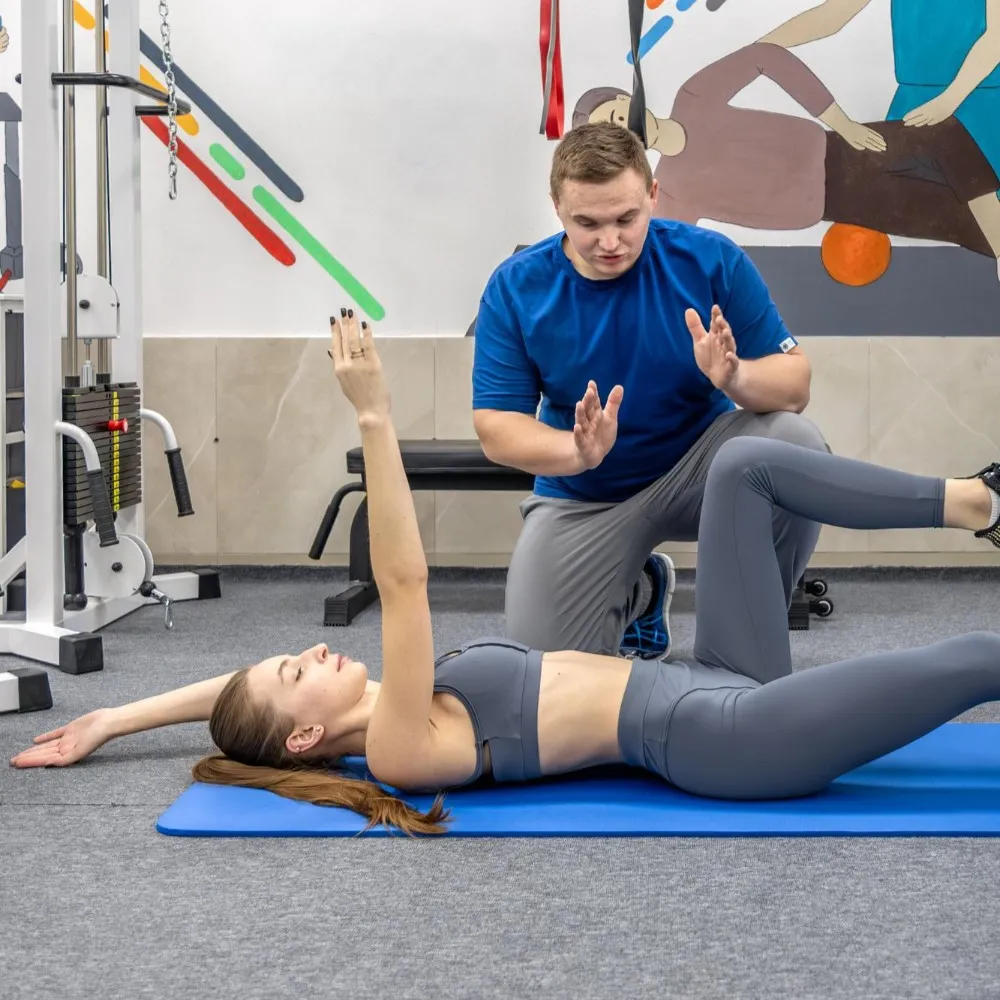
To truly benefit from your fitness journey, you must understand the underlying biological mechanisms of physical adaptation. It helps to know exactly what is blood sugar and how building muscle tissue directly stabilizes those levels. When you lift heavy weights, you create microscopic tears in your muscle fibers, a process that triggers localized cellular inflammation.
Your immune system responds to this controlled trauma by sending specialized cells to repair and thicken the damaged fibers, resulting in hypertrophy. Cardiovascular conditioning works on a different pathway, primarily increasing the size and number of mitochondria within your muscle cells.
This mitochondrial adaptation allows your body to process oxygen more efficiently, drastically improving your physical endurance and stamina over time.
Risks & Safety Considerations
As a physician, I must emphasize that exercise is physical stress, and mismanaging that stress can lead to severe medical complications. Overtraining syndrome occurs when the volume of physical exertion vastly exceeds the body’s ability to neurologically and hormonally recover. Learning how to deal with stress both inside and outside the gym is essential for your immune system.
This condition leads to chronic fatigue, severe sleep disturbances, persistent muscle soreness, and a heavily suppressed immune system. Injury risk also skyrockets when trainees attempt to lift heavy loads with poor biomechanical form or inadequate warm-ups.
You must prioritize executing a perfect range of motion over the amount of weight on the bar to protect your vulnerable rotator cuffs and lumbar spine.
Who Should Modify Workout Plans
Not every exercise routine is universally safe or appropriate for every single demographic. Beginners must heavily modify complex programs, reducing the total sets and lowering the weight to prevent severe delayed onset muscle soreness.
Older adults must prioritize joint-friendly, low-impact movements, focusing on functional balance and fall prevention rather than maximum strength. Individuals managing chronic medical conditions, such as hypertension or severe asthma, must strictly regulate their heart rate and avoid breath-holding techniques during heavy lifts.
Always adapt the prescribed movements to fit your current physical limitations, using partial ranges of motion or lighter resistance bands if necessary.
Weekly Workout Plan Comparison Table
This quick reference chart helps you align your current fitness level with the appropriate training frequency and volume.
| Plan Type | Days Per Week | Best Suited For |
| Beginner | 3–4 Days | New exercisers and connective tissue conditioning. |
| Intermediate | 5–6 Days | Focused muscle growth and targeted fat loss. |
| Advanced | 6–7 Days | Maximum physical performance and split-routine isolation. |
FAQs
How do I identify the best free workout routine?
The best routine simply aligns perfectly with your specific medical goals, equipment access, and current fitness level. It absolutely must remain sustainable over the long term. You need a program you can consistently execute for months without feeling mentally or physically burned out.
What are the correct steps to create a fitness regimen?
Start by clearly defining your ultimate physical goal, whether that involves cardiovascular endurance or muscular hypertrophy. Next, select heavy compound exercises and thoughtfully structure a weekly schedule that includes strict rest days. Finally, always document your daily progress in a dedicated logbook to track your clinical results.
Is a six-day workout schedule highly effective?
A high-frequency schedule works incredibly well for isolating muscle groups and aggressively driving muscular hypertrophy. However, your daily nutrition and nightly sleep must remain perfectly dialed in to support this physical stress. Furthermore, it strictly requires you to separate muscle groups each day to ensure adequate cellular tissue recovery.
Is it physically safe to train seven days a week?
Training every single day solely remains feasible if you intelligently alternate between high-intensity resistance and active recovery. Attempting heavy weightlifting seven days a week practically guarantees systemic overtraining. Ultimately, this highly stubborn approach will inevitably lead to painful joint injuries and extreme central nervous system burnout.
How should absolute beginners modify these advanced programs?
Beginners must always reduce the recommended training volume by half when attempting any new online program. You should deeply focus entirely on learning the correct biomechanics and safe movement patterns first. Never attempt to aggressively increase the physical resistance until you completely master your anatomical form.
Conclusion
In conclusion, embarking on a fitness journey does not require expensive personal trainers, premium gym memberships, or complicated mobile applications. A highly effective, free fitness workout plan is built upon the foundational, scientific principles of progressive overload, consistency, and adequate systemic recovery.
As we have explored in this comprehensive guide, the key to long-term success is matching your weekly schedule and exercise selection directly to your current physical capabilities.
Whether you are a beginner starting with three days of bodyweight squats in your living room, or an advanced athlete executing a rigorous six-day gym split, structured planning is your greatest asset.
From a medical perspective, committing to a documented, progressive routine is the single most powerful preventative health measure you can take. It actively fortifies your cardiovascular system, drastically improves your metabolic stability, and builds a resilient musculoskeletal frame to protect your joints as you age.
Take the time to assess your goals, choose the appropriate regimen outlined above, and begin tracking your weekly progress today. By remaining disciplined and prioritizing proper biomechanical form over heavy lifting, you will safely and sustainably transform your health for years to come.
Evidence-Based References:
- Centers for Disease Control and Prevention — Physical Activity Guidelines for Americans
- World Health Organization — Physical activity fact sheet
- American College of Sports Medicine — Resistance Training for Health and Fitness
- National Institutes of Health PubMed — Progression Models in Resistance Training for Healthy Adults
- National Library of Medicine — Is high-intensity interval training a time-efficient exercise strategy to improve health and fitness?
- National Library of Medicine — A minimal dose approach to resistance training for the older adult; the prophylactic for aging
- Centers for Disease Control and Prevention — How much physical activity do adults need?
- American Heart Association — Recommendations for Physical Activity in Adults and Kids
- Centers for Disease Control and Prevention — Physical Activity for Older Adults
- National Library of Medicine — Physiological and performance adaptations to high-intensity interval training
Related Posts





MORE from Author
Read More As a physician specializing in exercise science and public health, I regularly consult patients who feel completely lost in the…
 Just last week, a 34-year-old patient named Clara sat in my clinic, feeling entirely overwhelmed by the modern fitness industry.…


 Hello, I am Dr. Kenji Sato, MD, specializing in sports medicine and performance optimization. In my sports clinic, I constantly…
- In my clinical practice as a physician focused on exercise science, I often tell patients that mastering fitness bench workouts…