Central Sleep Apnea: Causes, Symptoms, Treatment Options, and How It Differs From Obstructive Sleep Apnea
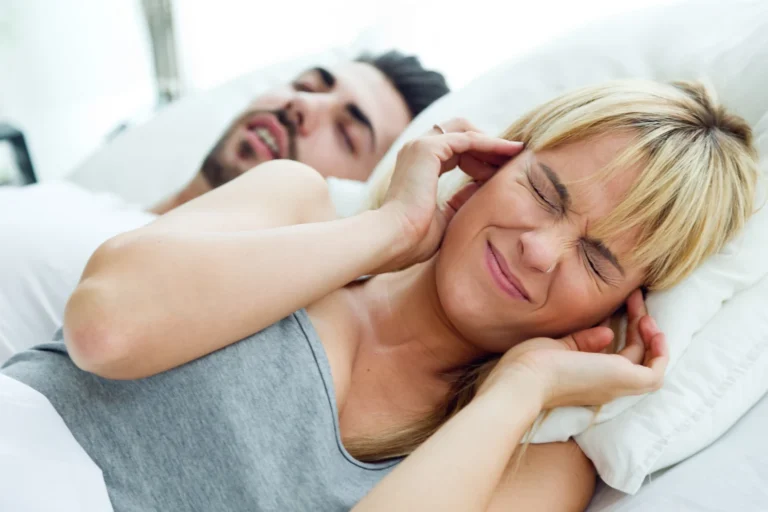
Welcome to our comprehensive discussion on a sleep disorder that often flies under the radar. Have you ever wondered why you wake up feeling completely exhausted despite spending a full eight hours in bed? You might be dealing with a complex neurological breathing issue.
Specifically, we are going to explore central sleep apnea: causes, symptoms, treatment options, and how it differs from obstructive sleep apnea. This is not just heavy snoring; rather, it is a condition where your brain literally forgets to tell your lungs to breathe.
In my clinical practice, I regularly consult with patients who feel frustrated and terrified by these mysterious nighttime breathing pauses. Consequently, I want to break down exactly what central sleep apnea (CSA) is and how we manage it. You will finally understand the root causes and discover the most effective therapies available today.
Central Sleep Apnea: Symptoms & Causes – Mayo Clinic
TL;DR: Quick Overview
- Definition: Central sleep apnea (CSA) occurs when your brain temporarily fails to send breathing signals to your respiratory muscles during sleep.
- Key Difference: Unlike obstructive sleep apnea, your airway remains completely open. Your body simply makes no effort to breathe.
- Major Causes: Heart failure, stroke, certain neurological conditions, and powerful pain medications often trigger this condition.
- Primary Symptoms: Patients experience severe daytime fatigue, abrupt awakenings with shortness of breath, and morning headaches.
- Standard Treatments: Doctors typically prescribe advanced breathing devices, oxygen therapy, or implanted nerve stimulators to regulate breathing.
- Clinical Importance: Untreated central sleep apnea is dangerous and can significantly worsen underlying cardiovascular diseases over time.
What Is Central Sleep Apnea?
Central sleep apnea explained simply is a neurological communication failure. Your brainstem houses a specialized respiratory control center that monitors carbon dioxide levels. This center normally operates on autopilot while you sleep.
However, in central sleep apnea, this vital control center momentarily shuts down. Your brain stops sending the necessary electrical signals to your diaphragm and chest muscles. As a result, your body makes absolutely zero effort to pull air into your lungs.
Furthermore, this lack of breathing leads to a rapid drop in blood oxygen levels. Your brain eventually detects this dangerous drop and abruptly jolts you awake to restart your breathing. This chaotic cycle repeats continuously throughout the night.
Therefore, this relentless sleep fragmentation completely destroys your overall sleep quality. You might not fully wake up during these episodes, but your nervous system remains in a constant state of high alert and severe stress.
Understanding Central Sleep Apnea – Sleep Foundation
Central Sleep Apnea vs Obstructive Sleep Apnea
Many patients mistakenly believe all sleep apnea involves a blocked throat. Therefore, understanding central sleep apnea vs obstructive sleep apnea is incredibly important for proper diagnosis. They require entirely different treatment approaches.
Obstructive sleep apnea occurs because your throat muscles relax too much. Your airway physically collapses, and you struggle forcefully to breathe against that obstruction. In contrast, central sleep apnea involves no physical blockage at all.
Consequently, snoring is a massive indicator of obstructive sleep apnea. While some central sleep apnea patients do snore, it is usually much quieter. Obstructive vs central sleep apnea fundamentally comes down to a blocked airway versus a brain signaling failure.
| Feature | Central Sleep Apnea | Obstructive Sleep Apnea |
| Primary Cause | Brain signaling failure | Physical airway collapse |
| Breathing Effort | Paused or completely absent | Forceful struggle to breathe |
| Loud Snoring | Less common | Very common and loud |
| Main Triggers | Heart failure, brain injury, opioids | Obesity, large tonsils, neck size |
National Heart, Lung, and Blood Institute — Sleep Apnea
Common Symptoms of Central Sleep Apnea
Identifying central sleep apnea symptoms early can drastically improve your long-term health outcomes. First of all, you might experience sudden awakenings accompanied by an intense feeling of suffocating. This is your brain’s emergency response kicking in.
Additionally, severe morning headaches are incredibly common. Because your brain experiences repeated oxygen deprivation overnight, blood vessels in your head expand. Consequently, you wake up with a dull, throbbing pain that can last for hours.
Furthermore, extreme daytime fatigue is a hallmark symptom of central sleep apnea. Even if you stay in bed for ten hours, your sleep architecture is completely fractured. Thus, you will likely struggle to find the answer to how much sleep do I need to feel rested.
Likewise, bed partners often notice the most alarming symptoms of central sleep apnea. They might witness long, terrifying pauses in your breathing followed by a sudden gasp. If a loved one observes this, you must schedule a clinical evaluation immediately.
Symptoms of Sleep Apnea – Johns Hopkins Medicine
Primary Causes of Central Sleep Apnea
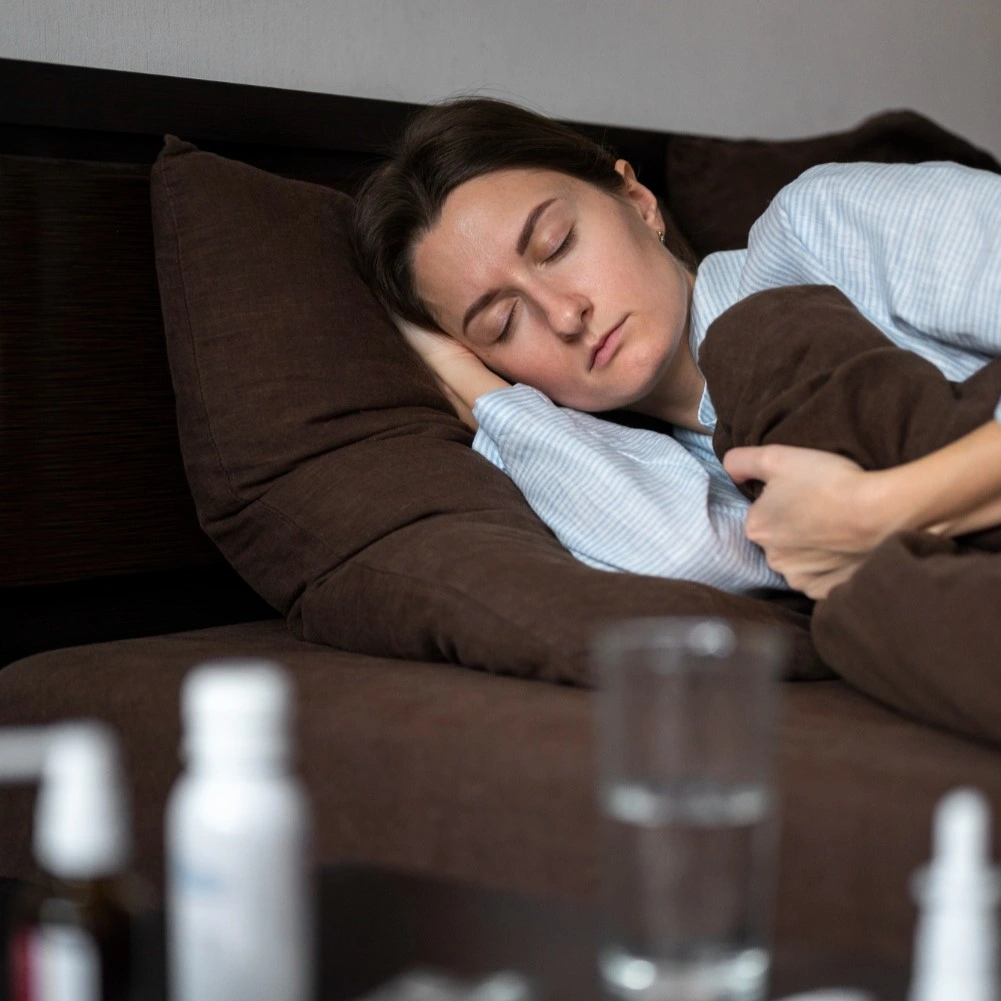
Understanding what causes central sleep apnea requires a deep dive into your overall medical history. Most importantly, we must look at the cardiovascular system. Heart failure is consistently the leading driver of this specific sleep disorder.
Specifically, patients with severe heart failure often develop a pattern called Cheyne-Stokes respiration. Due to poor blood pumping, the feedback loop between the lungs and the brain becomes delayed. Therefore, the brain severely overreacts to normal carbon dioxide changes.
Additionally, serious neurological causes of central sleep apnea play a massive role. If you have suffered a stroke, brain tumor, or brainstem lesion, your respiratory control centers might be permanently damaged. These injuries directly disrupt the vital signals traveling to your diaphragm.
Furthermore, certain powerful medications frequently induce this condition. Prescription opioids like morphine, oxycodone, or fentanyl heavily suppress the central nervous system. Consequently, they dull your brain’s natural sensitivity to carbon dioxide, causing your breathing to stall out completely.
How Central Sleep Apnea Is Diagnosed
To definitively establish a central sleep apnea diagnosis criteria, you must undergo a comprehensive sleep study. We call this procedure overnight polysomnography. It tracks your brain waves, blood oxygen, heart rate, and chest movements simultaneously.
During the study, sleep specialists monitor your respiratory effort. If we see that you stop breathing and your chest muscles remain completely still, we suspect a central event. It is also important to consider how much rem sleep do you need during this evaluation. The official central sleep apnea ICD 10 code used for medical billing is G47.31.
Additionally, we often diagnose a condition known as mixed sleep apnea. This happens when a patient experiences a combination of both obstructive and central events during the same night. Treating mixed sleep apnea requires a very careful and customized approach.
CDC — Sleep and Sleep Disorders
Advanced Central Sleep Apnea Treatment Options
When it comes to central sleep apnea treatment, we focus primarily on stabilizing your brain’s chemical feedback loop. First, we must aggressively treat any underlying heart disease common symptoms. If we can optimize your heart failure medications, your breathing patterns will often improve dramatically.
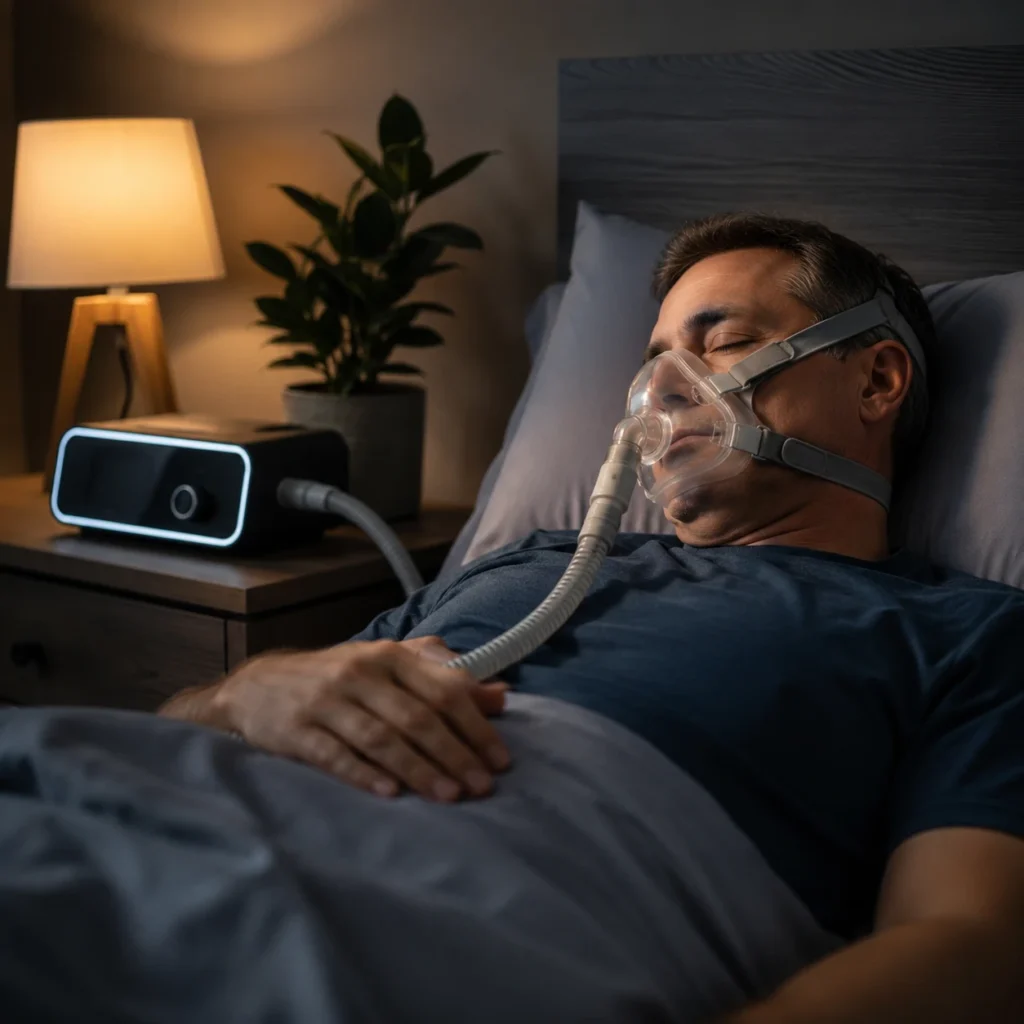
However, many patients require dedicated breathing devices. Continuous Positive Airway Pressure (CPAP) is often the first line of defense. While CPAP is famous for obstructive apnea, it can also stabilize the lungs and improve oxygen reserves in central cases.
For more complex situations, we utilize Adaptive Servo-Ventilation (ASV). ASV is an incredibly smart machine that constantly monitors your breathing volume. If it detects a central pause, it actively pushes air into your lungs to seamlessly maintain a normal breathing rhythm.
Treatment Options for Sleep Apnea – American Sleep Apnea Association
Innovative Therapies and Natural Support
Recently, the FDA approved an incredible surgical option called the Remede central sleep apnea system. This implantable device works much like a cardiac pacemaker. Instead of pacing the heart, it sends regular electrical pulses directly to your phrenic nerve.
As a result, the Remede system artificially stimulates your diaphragm to contract and pull in air. It completely bypasses the broken signals from the brainstem. For adult patients with moderate to severe symptoms, this treatment has been utterly life-changing.
Regarding a central sleep apnea natural treatment, you must manage your expectations. You cannot cure this neurological condition with diet alone. However, identifying heart attack symptoms and aggressive lifestyle optimization will absolutely support your primary medical therapies.
Severe Health Risks and Complications
Many anxious patients ask me, can central sleep apnea kill you? The brutal reality is that untreated central sleep apnea is incredibly dangerous. While you are unlikely to suddenly suffocate in your sleep, the cumulative cardiovascular damage is severe.
Every time you stop breathing, your body releases massive amounts of adrenaline. This constant fight-or-flight response chronically elevates your blood pressure. Over time, this intense strain massively accelerates the progression of underlying heart failure.
Furthermore, these adrenaline spikes dramatically increase your risk of dangerous heart arrhythmias. Conditions like atrial fibrillation thrive in an oxygen-deprived environment. Therefore, leaving this condition untreated pushes you closer to a major cardiac event.
Ultimately, severe and untreated sleep apnea drastically increases the risk of stroke and sudden cardiac death. You must treat this diagnosis with the utmost urgency. Ignoring the symptoms will only allow your neurological and cardiovascular health to deteriorate further.
Frequently Asked Questions
Is central sleep apnea dangerous?
Yes, it is extremely dangerous if left untreated. The constant drops in blood oxygen put immense stress on your cardiovascular system, thereby increasing your long-term risk of heart attacks, stroke, and worsening heart failure.
Can central sleep apnea go away?
Sometimes, it can resolve if the underlying medical trigger is completely cured. For example, if a patient stops taking opioid pain medications or optimally manages their heart failure, their central breathing pauses may disappear entirely.
What causes central sleep apnea?
The primary triggers are severe heart failure, brainstem strokes, neurological conditions like Parkinson’s disease, and strong narcotic medications. In all these cases, the brain simply fails to signal the breathing muscles.
Is central sleep apnea hereditary?
Most cases are acquired later in life due to cardiovascular or neurological damage, not directly inherited. However, genetic factors that predispose you to heart disease can indirectly raise your chances of developing it.
Can central sleep apnea occur while awake?
True central sleep apnea strictly occurs during sleep due to altered brainstem automaticity. However, if you experience sudden breathing pauses while awake, it suggests a severe underlying neurological or respiratory disorder requiring immediate emergency evaluation.
Conclusion
Navigating a complex diagnosis like this can feel incredibly overwhelming for both patients and their families. However, medical science has made incredible strides in understanding the neurological mechanisms behind these breathing disruptions. You no longer have to suffer through fractured, exhausting nights of sleep.
By aggressively addressing the root causes, whether they are cardiovascular or neurological, we can restore normal breathing patterns. Advanced therapies like ASV machines and phrenic nerve stimulators are highly effective. Early intervention is the absolute key to protecting your heart and brain from long-term damage.
If you recognize these symptoms in yourself or your partner, please do not delay seeking medical care. A simple overnight sleep study can provide the exact diagnostic clarity you need. Proper management will transform your daily energy levels and protect your future health.
Hopefully, this guide has provided clarity regarding central sleep apnea: causes, symptoms, treatment options, and how it differs from obstructive sleep apnea. Take proactive steps today to secure the restful, restorative sleep your body desperately needs.
Evidence-Based References
- Mayo Clinic — Central sleep apnea – Symptoms and causes
- Mayo Clinic — Central sleep apnea – Diagnosis and treatment
- MedlinePlus — Central sleep apnea
- National Library of Medicine — Central Sleep Apnea
- National Heart, Lung, and Blood Institute — What Is Sleep Apnea?
- National Institutes of Health — Central sleep apnea in heart failure
- National Institutes of Health — Pathogenesis and treatment of central sleep apnea
- National Library of Medicine — Treatment-Emergent Central Sleep Apnea
- American Heart Association — Sleep Apnea and Cardiovascular Disease: A Scientific Statement
- MedlinePlus — Sleep Apnea
Related Posts


MORE from Author
Read More As a physician specializing in exercise science and public health, I regularly consult patients who feel completely lost in the…
 Just last week, a 34-year-old patient named Clara sat in my clinic, feeling entirely overwhelmed by the modern fitness industry.…


 Hello, I am Dr. Kenji Sato, MD, specializing in sports medicine and performance optimization. In my sports clinic, I constantly…
- In my clinical practice as a physician focused on exercise science, I often tell patients that mastering fitness bench workouts…