
6 Signs of Heart Attack a Month Before: Early Warning Symptoms You Shouldn’t Ignore
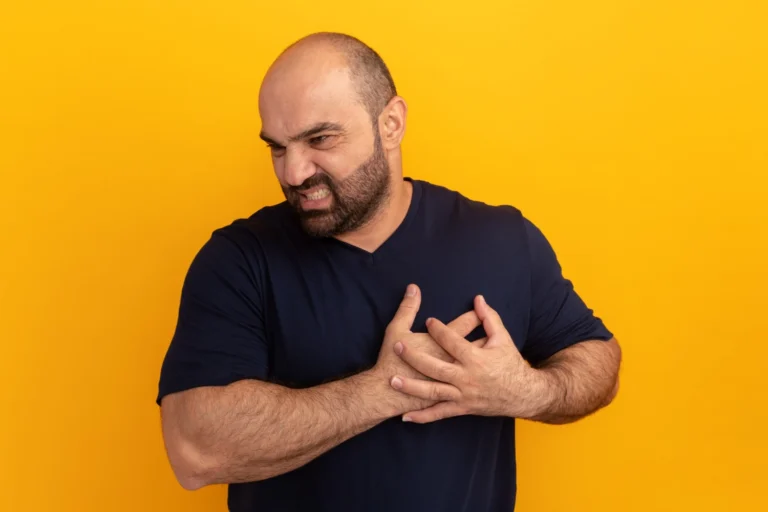
As a board-certified MD, patients constantly ask me if they can predict a cardiac emergency. People often believe a cardiovascular crisis happens completely without warning. However, medical science tells a drastically different story. Your body frequently sends distress signals long before a major blockage occurs. Therefore, knowing the 6 signs of heart attack a month before can literally save your life.
Consequently, you must learn to listen to these subtle biological warnings. Many patients ignore these vital clues, mistaking them for stress or minor illnesses.
In this comprehensive guide, I will break down these early warning symptoms precisely.
TL;DR: Quick Overview
- Your body frequently shows warning signs weeks before a major cardiac event occurs.
- The most common early symptoms include profound fatigue, mild chest discomfort, and shortness of breath.
- Female patients often experience much more subtle warning signs compared to male patients.
- Recognizing these early signals allows doctors to intervene before permanent damage happens.
- You must seek immediate medical evaluation if you notice multiple symptoms clustering together.
Can a Cardiac Event Be Predicted Weeks in Advance?
Many people assume a sudden blockage strikes completely out of nowhere. However, cardiologists know that vascular disease progresses slowly over many years.During this slow progression, your heart muscle may temporarily struggle for oxygen.
This temporary struggle causes prodromal symptoms, which are early warning signs. Research shows that over fifty percent of patients experience these warnings. Furthermore, these symptoms can begin showing up four to six weeks early.
Therefore, predicting an event is highly possible if you pay close attention. Early detection remains the ultimate key to preventing fatal tissue damage.
The Core Early Warning Symptoms a Month Prior

You must understand exactly what these early indicators look and feel like. Consequently, I am detailing the main physiological warnings below.
Unusual and Unexplained Fatigue
Profound fatigue acts as one of the most common early warning signals. This is not the normal tiredness you feel after a long workday.
Instead, this fatigue feels physically crushing and completely unexplained. Your heart is struggling to pump blood effectively through narrowed arteries.
As a result, your body diverts blood away from your muscles and skin. This diversion leaves you feeling completely exhausted after doing simple, daily tasks.
Mild Chest Discomfort or Pressure
Early chest symptoms rarely feel like a dramatic, crushing pain. Rather, patients often describe a mild, uncomfortable pressure in their chest.This sensation might feel like a dull ache or a tight squeezing feeling. Furthermore, this discomfort often comes and goes over several days or weeks.
It typically flares up during physical exertion and fades when you rest. You must never ignore any new, unexplained pressure in your chest area.
Shortness of Breath at Rest
Your heart and lungs work together in a tightly connected biological system. Therefore, a weakening heart directly impacts your daily breathing capacity.When your heart pumps inefficiently, fluid can slowly back up into your lungs. This microscopic fluid buildup causes noticeable shortness of breath.
You might find yourself gasping for air after climbing just one flight of stairs. Similarly, you might feel breathless while lying completely flat in bed.
Severe Sleep Disturbances
Changes in your vascular system deeply disrupt your natural sleep cycles. Many patients report severe insomnia weeks before a major cardiac crisis.
You might wake up suddenly feeling incredibly anxious or completely out of breath. Furthermore, the mild chest discomfort often worsens when you lie down at night.
Consequently, this physical stress prevents your brain from entering deep, restorative sleep. Do not dismiss sudden, severe insomnia as just a stressful phase.
Indigestion, Heartburn, or Nausea
The vagus nerve connects your gastrointestinal tract directly to your brain and heart. Because of this connection, cardiac distress often mimics stomach problems.Patients frequently report severe indigestion or heartburn that antacids cannot cure. You might also experience sudden bouts of unexplained nausea.
This symptom tricks many people into ignoring their failing heart health. Therefore, you must investigate new, persistent digestive issues with your doctor.
Sudden Anxiety or Feeling of Doom
Your body instinctively knows when a major physiological crisis approaches. As a result, your nervous system triggers a massive “fight or flight” response.
This biological trigger causes a sudden, overwhelming feeling of impending doom. Patients often report feeling intensely anxious without any logical reason.
This is your brain reacting to the subtle oxygen deprivation in your blood. You should always trust your gut feeling when something feels deeply wrong.
Warning Symptoms Specific to Women
Historically, medical research focused almost exclusively on male cardiovascular symptoms. However, we now know female patients present drastically different early warning signs.
Female patients rarely experience the classic, Hollywood-style chest-clutching pain. Instead, they often experience severe, flu-like symptoms weeks in advance.
Profound weakness, cold sweats, and extreme dizziness affect women much more frequently. Furthermore, their chest discomfort often feels like a burning sensation rather than pressure.
Consequently, doctors often misdiagnose women with anxiety or acid reflux initially. Female patients must advocate strongly for proper cardiac screening if they feel unwell.
Warning Symptoms Specific to Men
Male patients generally experience more traditional, easily recognizable cardiac warnings. Their symptoms usually stem directly from blockages in the large coronary arteries.
Men frequently report sharp or squeezing chest pain weeks before the main event. This pain often radiates directly into their left arm or left shoulder.
They also experience sudden, drenching cold sweats during mild physical activity. Similarly, men often feel a tight, gripping sensation in their lower neck.
However, men often make the fatal mistake of trying to “tough it out.” Ignoring these highly specific vascular signals leads to disastrous medical outcomes.
Immediate Warning Signs Days Before the Event
As the crucial event approaches, your physical symptoms will typically escalate rapidly. The mild discomfort transforms into a highly unstable medical situation.
You might experience angina (chest pain) while completely at rest. Furthermore, the pain episodes will last much longer and feel significantly more intense.
Sudden dizzy spells or brief fainting episodes indicate a severely compromised blood supply. These escalating signs mean a plaque rupture is absolutely imminent.
At this stage, you no longer have weeks to seek preventative care. You must visit an emergency room immediately to stabilize your blood vessels.
Seven Early Warning Indicators
Beyond the main six signs, other distinct physical clues can appear. Adding to our list, unexplained jaw pain serves as a critical seventh indicator.
Cardiac pain frequently travels up the vagus nerve into the lower jaw. Patients often mistake this deep, aching pain for a simple dental issue.
Similarly, unexplained upper back pain between the shoulder blades warrants immediate attention. This referred pain indicates severe stress on the posterior wall of your heart.
Four Biological Stages Before a Cardiac Crisis
To truly understand prevention, you must understand the microscopic damage occurring inside. The disease progresses through four distinct, dangerous biological stages.
First, endothelial dysfunction damages the protective inner lining of your blood vessels. Second, sticky cholesterol particles bury into this damaged wall, creating fatty plaque.
Third, this accumulated plaque becomes highly inflamed, unstable, and fragile. Finally, the fragile plaque ruptures, causing a massive blood clot to form instantly.
Recognizing early symptoms allows doctors to intervene during the first three stages. This early action prevents the fatal fourth stage from ever happening.
What Does a Cardiac Emergency Feel Like?
If the early warnings progress into a full crisis, the sensations become overwhelming. You will feel an intense, crushing weight directly on your sternum.
Most survivors describe the feeling as an elephant sitting squarely on their chest. The pain feels deep, visceral, and impossible to pinpoint with one finger.
Furthermore, changing your physical position does not relieve this crushing pressure. Taking a deep breath also fails to change the intensity of the pain.
Comprehensive List of Imminent Symptoms
When the artery completely blocks, your body enters a state of total shock. You must memorize these imminent symptoms to act quickly.You will likely experience severe chest pressure, extreme shortness of breath, and vomiting. A sudden, drenching cold sweat will completely cover your skin.
Additionally, your heart rate might spike wildly or drop to dangerously slow levels. You will feel profoundly weak, and you might lose consciousness completely.
Overlapping Signs Before a Cardiac Event or Stroke
Vascular disease damages blood vessels throughout your entire body simultaneously. Therefore, the early warning signs for strokes and cardiac events often overlap.
Both crises frequently cause sudden dizziness, severe fatigue, and unexplained anxiety. They both stem from exactly the same underlying process: atherosclerosis.
However, a stroke primarily causes neurological symptoms like facial drooping or slurred speech. You must treat any sudden change in your vascular baseline as a severe emergency.
What to Do If You Notice Early Symptoms

If you recognize these early warnings, you must take immediate, proactive steps. Do not wait for the symptoms to disappear on their own. Schedule an urgent appointment with your primary care physician or a cardiologist.
Request a comprehensive lipid panel, an ECG, and a cardiac stress test.These simple, painless tests reveal the hidden health of your coronary arteries. If your symptoms feel severe or escalate suddenly, call 911 without hesitation.
Global Awareness in Different Languages
Cardiovascular disease remains the leading cause of death across the entire globe. Therefore, spreading awareness in multiple languages saves countless lives internationally.
Search trends show people constantly looking for these signs in Hindi, Tamil, and Telugu. They also search for early warnings in Marathi, Malayalam, and across the UK.
The biological symptoms remain exactly the same regardless of your location or language. Global education ensures everyone recognizes the danger before a fatal blockage occurs.
Are Viral Online Claims Accurate?
Patients often search forums like Reddit to validate their physical symptoms. While community support helps, you must approach viral medical claims with deep skepticism.
Online forums often blur the line between severe health anxiety and actual cardiac disease. Panic attacks perfectly mimic many early warning signs, including chest tightness and shortness of breath.
However, you should never let online strangers diagnose your physical chest pain. Always rely on board-certified medical professionals and objective clinical testing for your health.
When to Seek Immediate Emergency Care
You must draw a strict line between scheduling a doctor’s visit and calling an ambulance. Never gamble with your life if you feel sudden, severe symptoms.
Call 911 immediately if your chest discomfort lasts longer than five continuous minutes. Furthermore, call for help if the pain goes away and suddenly returns.
If severe shortness of breath accompanies your chest pressure, treat it as an emergency. Let the hospital professionals rule out a crisis; never diagnose yourself at home.
Modifiable and Non-Modifiable Risk Factors
You must actively manage the daily variables that accelerate your vascular damage. Doctors classify your health risks into two very distinct clinical categories.
| Risk Category | Specific Factor | Clinical Impact |
| Modifiable | Active Tobacco Smoking | Extremely High Risk |
| Modifiable | Uncontrolled Diabetes | High Risk |
| Modifiable | Sedentary Lifestyle | Moderate to High Risk |
| Non-Modifiable | Advancing Age | Progressive Risk |
| Non-Modifiable | Strong Family History | High Genetic Risk |
Frequently Asked Questions
Can you have symptoms weeks before an event?
Yes, medical research proves that prodromal symptoms frequently appear weeks in advance. Recognizing these early signals provides a crucial window to prevent fatal muscle damage.
What are the earliest warning indicators?
Profound, unexplained fatigue and mild, intermittent chest discomfort are the earliest signs. These symptoms occur because your heart muscle temporarily struggles for adequate oxygen delivery.
Do female patients experience different warning signs?
Yes, female patients frequently experience highly subtle symptoms like severe nausea and dizziness. They often lack the classic, crushing chest pain typically seen in male patients.
Is anxiety a real medical warning sign?
Yes, a sudden, unexplained feeling of impending doom acts as a legitimate biological warning. Your nervous system triggers this intense anxiety when your heart struggles for oxygen.
How long does chest pain last before it becomes an emergency?
If unexplained chest pressure lasts continuously for more than five minutes, call 911 immediately. Never wait to see if severe cardiac symptoms will simply fade away on their own.
Conclusion
Understanding the biology of your vascular system empowers you to protect your life. Your body rarely fails without sending distress signals first.
You must learn to recognize the 6 signs of heart attack a month before a crisis. Pay close attention to unexplained fatigue, new chest pressure, and sudden sleep disruptions.
Do not dismiss these critical warnings as simple stress or normal aging. Advocate for your health, schedule regular medical screenings, and act swiftly when symptoms arise.
Evidence-Based References:
Related Posts



MORE from Author
Read More As a physician specializing in exercise science and public health, I regularly consult patients who feel completely lost in the…
 Just last week, a 34-year-old patient named Clara sat in my clinic, feeling entirely overwhelmed by the modern fitness industry.…


 Hello, I am Dr. Kenji Sato, MD, specializing in sports medicine and performance optimization. In my sports clinic, I constantly…
- In my clinical practice as a physician focused on exercise science, I often tell patients that mastering fitness bench workouts…