
Life Expectancy After Widowmaker Heart Attack: Survival Rates & Recovery Guide

Surviving a massive cardiac event naturally brings up intense questions about your future health. Patients and their families constantly ask cardiologists about life expectancy after a widowmaker heart attack. Hearing this intimidating term can understandably cause severe anxiety and fear.
However, modern emergency cardiology has drastically changed the long-term outlook for survivors. You absolutely can survive this terrifying event and return to a vibrant, active routine. Therefore, understanding your condition is the very first step toward a successful cardiovascular recovery.
This comprehensive medical guide breaks down exactly what this blockage means for your body. We will explore survival rates, critical treatment timelines, and actionable steps to protect your heart.
TL;DR: Quick Overview
- A widowmaker heart attack involves a massive blockage in the left anterior descending (LAD) artery.
- Rapid emergency medical intervention dramatically increases your immediate hospital survival rate.
- Your specific life expectancy heavily depends on your age, treatment speed, and remaining muscle function.
- Cardiac rehabilitation and aggressive lifestyle changes allow many survivors to enjoy long, healthy lives.
What Is a Widowmaker Cardiac Event?
A widowmaker heart attack occurs when a severe or total blockage stops blood flow in the left anterior descending (LAD) artery. This critical vessel supplies blood to the largest, most muscular portion of your heart.
When this vital artery suddenly clogs, a massive section of the heart muscle begins to starve for oxygen. Consequently, the heart rapidly loses its ability to pump blood effectively to the rest of the body.
What Is the LAD Artery and Why Is It So Important?
Cardiologists often refer to the LAD as the absolute most important blood vessel in your chest. It travels down the front of your heart, supplying vital oxygen to the left ventricle.
The left ventricle is the massive powerhouse chamber responsible for pushing oxygen-rich blood throughout your entire body. Therefore, any disruption to this specific supply line creates an immediate, catastrophic medical emergency.
If the left ventricle stops pumping, your brain and major organs lose oxygen within seconds. This rapid decline is exactly why doctors treat LAD blockages with absolute, immediate urgency.
Causes of a Massive LAD Blockage

Understanding exactly why these massive blockages happen helps you prevent future cardiovascular emergencies. The underlying mechanisms generally build up silently over several decades.
Primary Causes
Atherosclerosis remains the absolute leading cause of severe coronary artery blockages worldwide. This chronic disease causes sticky cholesterol plaque to harden along the inner walls of your blood vessels.
Eventually, this brittle plaque ruptures and tears the delicate lining of your LAD artery. Your body responds by instantly forming a massive blood clot to heal the tear, completely sealing off the artery.
Risk Factors
Smoking cigarettes aggressively damages your arterial walls and accelerates sticky plaque formation. Furthermore, chronic high blood pressure forces your heart to work relentlessly against immense resistance.
Uncontrolled diabetes severely damages the tiny blood vessels that support your major cardiac arteries. Likewise, high LDL cholesterol directly feeds the growing plaque deposits inside your LAD.
How Common Are These Severe Heart Attacks?
While the ominous nickname sounds rare, LAD blockages actually represent a highly significant portion of all cardiac events. Cardiologists treat these specific infarctions frequently in emergency rooms across the globe.
They often strike with absolutely no prior warning signs or subtle symptoms. Many patients feel perfectly fine just minutes before the massive blood clot fully develops.
Age Demographics and Vulnerability
Medical professionals historically associated this specific cardiac emergency exclusively with older, retired men. However, modern clinical data reveal a much more alarming and diverse patient demographic.
Today, we see these massive blockages occurring frequently in middle-aged adults. Poor modern diets, extreme chronic stress, and sedentary lifestyles push this disease into much younger populations.
Survival Rates for Major LAD Blockages
Patients frequently ask for exact survival statistics following a massive left ventricular infarction. The truth is that your immediate outcome depends entirely on how fast you reach a cardiac catheterization lab.
Overall Survival
Overall survival rates have climbed significantly over the past two decades thanks to advanced emergency protocols. If paramedics reach you quickly, your chances of surviving the initial event remain remarkably high.
Hospital Survival Rates
Your survival rate skyrockets the moment you pass through the emergency room doors. Emergency doctors can quickly administer powerful clot-busting drugs to restore vital blood flow.
Furthermore, cardiologists can physically open the blocked artery within minutes using specialized medical wires. This immediate intervention stops the active muscle damage in its tracks.
Blockage Survival Rate Factors
Time always equals muscle when dealing with a starving left ventricle. Therefore, every single minute you delay medical care directly decreases your ultimate survival chances.
If you ignore the crushing chest pain and wait at home, the heart muscle permanently dies. This irreversible tissue death leads to severe, long-term heart failure and drastically lower survival rates.
Life Expectancy After Widowmaker Heart Attack
Calculating an exact timeline requires doctors to look closely at your individual cardiac damage. We use advanced ultrasound imaging to see exactly how well your left ventricle still pumps.
Key Factors
Your biological age at the time of the massive blockage plays a massive role in your prognosis. Younger patients generally possess a stronger physical capacity to recover and rebuild stamina.
The most critical factor remains the total amount of heart muscle successfully saved during emergency surgery. Patients who receive treatment within the first hour typically enjoy near-normal lifespans.
Long-Term Outlook After LAD Infarction
You can absolutely live a thriving, vibrant life after surviving a major anterior infarction. The human body possesses an incredible ability to adapt and heal when given the proper medical support.
However, achieving a normal lifespan requires strict, unwavering dedication to your prescribed medical routine. You must view the event as a definitive turning point for your personal health habits.
Outlook After LAD Stent Placement
Emergency cardiologists almost always place a tiny metal scaffold inside your newly opened LAD artery. This life-saving device keeps the vessel propped open and prevents immediate re-closure.
Patients who receive a successful stent placement generally experience an excellent long-term prognosis. You must simply commit to taking specific blood-thinning medications to keep the shiny metal stent completely clear of new clots.
Heart Attack Life Expectancy Chart
Medical professionals use general outcome charts to help patients understand their long-term recovery potential. Keep in mind that individual results always vary based on personal health habits.
| Age Group | Estimated Outcome |
| Under 50 | Higher recovery potential |
| 50 to 70 | Moderate risk |
| Over 70 | Higher complication risk |
Expected Recovery Time
Healing a severely damaged left ventricle takes significant time and incredible patience. You cannot rush this delicate biological process, no matter how good you feel initially.
Most patients require several weeks to safely resume basic, lightweight household activities. Returning to a highly demanding physical job often takes several months of dedicated cardiovascular rebuilding.
Recovery Journey Detailed Guide
Cardiologists map out a highly structured recovery timeline to keep you safe while you heal. We break this critical journey down into three distinct, manageable phases.
Phase 1
This initial phase begins the moment you wake up in the intensive care unit. Nurses carefully monitor your fragile heart rhythm while helping you safely sit up and walk short distances.
Phase 2
Outpatient cardiac rehabilitation serves as the absolute foundation of your long-term success. Specialized exercise physiologists monitor your vital signs while you slowly rebuild your cardiovascular endurance on treadmills.
Phase 3
This final phase represents your permanent, lifelong commitment to cardiovascular wellness. You confidently exercise on your own while maintaining a strict, heart-healthy dietary approach.
Navigating Life After the Event
Living successfully after a massive cardiac event requires completely rewiring your daily habits. You must embrace a proactive, defensive mindset regarding your cardiovascular health.
Strict medication adherence is absolutely non-negotiable for long-term survival. You must faithfully take your beta-blockers, statins, and specialized antiplatelet drugs exactly as your cardiologist prescribes.
Furthermore, you must attend every single scheduled follow-up appointment. Routine echocardiograms allow doctors to catch subtle changes in your heart function before they become dangerous.
Artery Bypass Surgery Explained
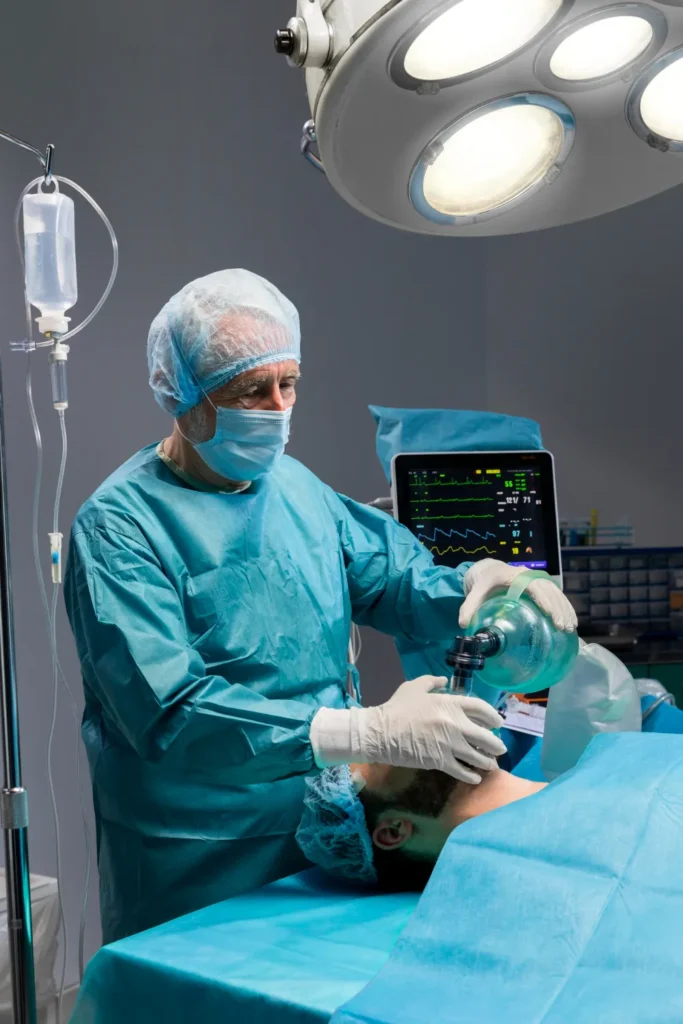
Sometimes, the LAD blockage is simply too dense or complex for a standard metal stent. In these severe cases, cardiologists recommend a highly effective surgical detour.
When It Is Needed
Surgeons perform bypass surgery when multiple major coronary arteries suffer from severe plaque buildup. It is also necessary if the main blockage sits in a highly precarious, unreachable location.
Expected Outcomes
Coronary bypass surgery boasts an incredibly high success rate for restoring vital blood flow. Patients who undergo this procedure frequently experience total relief from chronic chest pain and enjoy drastically improved life expectancies.
Medical Treatment Options
Emergency medicine utilizes a powerful combination of mechanical and chemical treatments to save your heart. We attack the massive blood clot from every possible medical angle.
Emergency angioplasty uses a tiny balloon to violently crush the sticky plaque against the artery wall. Meanwhile, powerful intravenous medications actively dissolve the sticky blood cells forming the acute blockage.
Complications to Watch For
A damaged left ventricle sometimes struggles to maintain a steady, organized electrical rhythm. Consequently, you might experience sudden, terrifying palpitations or severe dizziness.
Additionally, extensive muscle damage severely weakens the heart’s overall pumping power. This extreme weakness can eventually lead to congestive heart failure, causing heavy fluid buildup in your lungs and legs.
When to Seek Emergency Care
You must never hesitate to dial emergency services if you feel familiar warning signs returning. Ignore the fear of a false alarm and let medical professionals evaluate your symptoms immediately.
Sudden, crushing chest pressure that radiates to your left arm or jaw demands an instant emergency response. Furthermore, unexplained, profuse sweating paired with severe shortness of breath constitutes an absolute medical crisis.
Prevention Strategies
You hold immense power to prevent a second, potentially fatal cardiac event. Taking aggressive control of your daily lifestyle heavily dictates your long-term medical outcome.
You must slash your sodium intake and strictly limit saturated fats to lower your blood pressure. Engaging in moderate, daily aerobic exercise forces your blood vessels to remain flexible and strong.
Additionally, finding healthy outlets for chronic stress protects your delicate heart muscle from toxic adrenaline surges. Managing your mental health is just as important as lowering your physical cholesterol levels.
Common Myths About LAD Blockages
Misinformation breeds unnecessary terror and prevents patients from seeking proper medical care. We must debunk these dangerous cardiovascular myths immediately.
Many people falsely believe this specific infarction is a guaranteed, immediate death sentence. In reality, thousands of patients survive this exact emergency every single day thanks to rapid medical intervention.
Another massive myth suggests this disease strictly targets highly stressed, overweight men. Women experience massive LAD blockages frequently, often presenting with highly subtle, easily ignored physical symptoms.
Frequently Asked Questions
What is the survival rate of a massive LAD blockage?
Your survival rate improves drastically the faster you receive emergency medical care. Patients who undergo stent placement within the first hour typically experience incredibly high survival rates.
Can you live a normal life after this cardiac event?
Yes, you can absolutely return to a vibrant, highly active lifestyle. By strictly following your prescribed medications and completing cardiac rehab, you can achieve near-normal physical function.
How long does cardiovascular recovery usually take?
Initial physical healing generally takes several weeks of careful rest. However, fully rebuilding your cardiovascular stamina and confidence usually requires several months of dedicated physical therapy.
Does a stent cure the underlying arterial disease?
No, a metal stent only fixes the immediate, life-threatening blockage. You must drastically change your diet and take daily medications to prevent new plaque from forming elsewhere.
Is exercise safe after surviving a major infarction?
Yes, guided exercise is actually mandatory for a successful long-term recovery. However, you must only exercise under the direct supervision of a certified cardiac rehabilitation specialist initially.
Conclusion
Facing a massive cardiac emergency forces you to completely reevaluate your daily health priorities. While the initial experience is undeniably terrifying, it does not have to define your future physical capabilities.
Modern medicine offers incredible tools to completely restore your damaged blood flow and protect your remaining muscle. Your daily choices moving forward will ultimately dictate how effectively your body heals.
By aggressively managing your underlying risk factors, you can dramatically improve the life expectancy after a widowmaker heart attack. Stay deeply connected with your cardiology team, embrace a heart-healthy diet, and confidently reclaim your vibrant life.
Evidence-Based References:
Related Posts





MORE from Author
Read More As a physician specializing in exercise science and public health, I regularly consult patients who feel completely lost in the…
 Just last week, a 34-year-old patient named Clara sat in my clinic, feeling entirely overwhelmed by the modern fitness industry.…


 Hello, I am Dr. Kenji Sato, MD, specializing in sports medicine and performance optimization. In my sports clinic, I constantly…
- In my clinical practice as a physician focused on exercise science, I often tell patients that mastering fitness bench workouts…