
Best Foods to Repair Gut Lining Naturally (Complete Guide)
In my clinical practice, I frequently meet patients who feel completely defeated by chronic bloating, unpredictable digestion, and lingering fatigue. Recently, I worked with a patient named Elena who suffered from sudden food intolerances that left her afraid to eat almost everything.
After reviewing her history, it became clear that her intestinal barrier was severely compromised. We shifted our focus away from restrictive fad diets and instead prioritized the best foods to repair gut lining, which ultimately became the turning point in her recovery.
Many people treat digestive symptoms with temporary bandages like antacids or strict elimination diets without addressing the root cause.
The actual foundation of digestive health lies within the microscopic cells of your intestinal walls. When this delicate barrier is damaged, it triggers a cascade of inflammation throughout the entire body.
In this comprehensive guide, we will explore the science behind your intestinal barrier and identify the specific foods that support cellular repair. By understanding how to properly nourish your digestive tract, you can systematically reduce inflammation and regain control over your gut health.
What Is the Gut Lining & Why Does It Matter
To understand how to heal your digestion, you first need to understand the anatomy of your intestinal wall. Your gut lining is an incredibly thin, single layer of cells that separates the inside of your digestive tract from your bloodstream. These cells are held together by strict proteins known as “tight junctions.”
When these tight junctions are functioning perfectly, they act as a highly intelligent security checkpoint. They absorb vital nutrients and water into your bloodstream while keeping toxins, undigested food particles, and harmful bacteria locked safely inside the bowel.
However, when this barrier is damaged, the tight junctions loosen, leading to a condition commonly referred to as increased intestinal permeability, or “leaky gut.”
This is why incorporating specific foods that repair the stomach lining is so critical; they provide the raw building blocks needed to tighten these junctions. Integrating gut lining healing foods into your daily routine directly supports your immune system, as over 70% of your immune cells reside just beneath this barrier.
Signs of an Unhealthy Gut
Recognizing the warning signals of intestinal damage is the first step toward healing. Your body will often communicate that the barrier is compromised long before severe clinical conditions develop.
If you are searching for the 7 signs of an unhealthy gut—or even the 10 signs of an unhealthy gut—look out for these highly common symptoms:
- Persistent Bloating: Feeling uncomfortably full or distended shortly after eating.
- Excessive Gas: Frequent and uncomfortable gas production.
- New Food Intolerances: Suddenly reacting poorly to foods you previously handled well.
- Chronic Fatigue: Feeling constantly tired due to poor nutrient absorption.
- Brain Fog: Difficulty concentrating, often linked to systemic inflammation.
- Skin Issues: Unexplained flare-ups of eczema, acne, or rosacea.
- Irregular Bowel Movements: Chronic diarrhea, constipation, or alternating between the two.
What Causes Gut Lining Damage?
Before we discuss how to fix the problem, we must identify what is causing the active damage. One of the most prevalent culprits is a poor diet heavily reliant on ultra-processed foods. These items contain emulsifiers, artificial additives, and refined sugars that actively strip away the protective mucus layer of your intestines.
Chronic stress is another massive contributor. High cortisol levels physically slow down digestion and reduce blood flow to the gut, starving the cells of oxygen.
Additionally, the overuse of antibiotics can wipe out the beneficial bacteria that naturally defend your intestinal walls. Finally, frequent alcohol consumption acts as a direct solvent, irritating the stomach lining and actively widening the tight junctions.
Best Foods to Repair Gut Lining (Top 10)
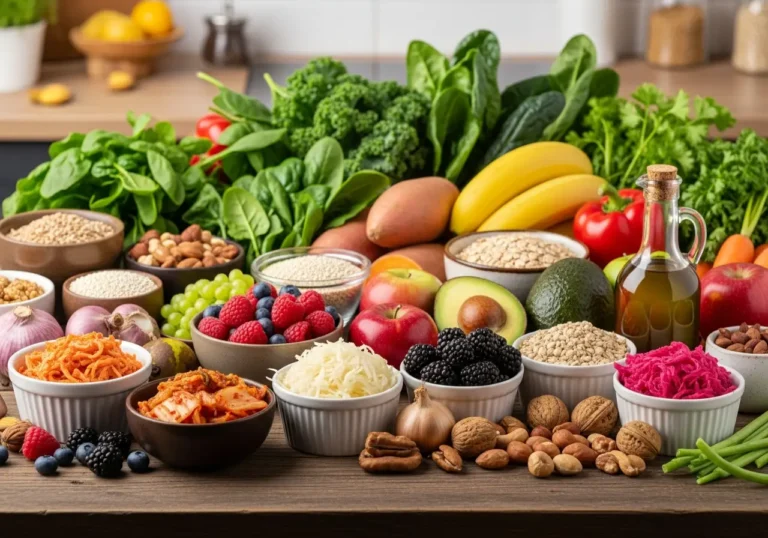
When patients ask me for the best foods to repair gut lining, I emphasize that we need a combination of amino acids for structural repair, probiotics for microbiome balance, and anti-inflammatory compounds to soothe irritation.
If you want to know the top foods that repair gut lining, these top 10 foods for gut health should be staples in your kitchen.
Bone Broth
Bone broth is perhaps the most clinically effective food for structural intestinal repair. When animal bones are simmered for 12 to 24 hours, they release massive amounts of collagen, gelatin, and the amino acid glutamine.
Glutamine is the preferred fuel source for the cells lining your intestines (enterocytes). Consuming high-quality bone broth provides your body with the exact raw materials it needs to literally rebuild damaged tight junctions and restore the barrier’s integrity.
Fermented Foods
To maintain a healthy intestinal wall, you need a robust army of beneficial bacteria. Fermented foods like unsweetened yogurt, milk kefir, and raw kimchi are packed with live probiotic cultures.
These beneficial microbes produce short-chain fatty acids (like butyrate) when they digest fiber. Butyrate actively reduces inflammation in the gut lining and stimulates the production of the protective mucus layer.
Fiber-Rich Foods
While probiotics are the beneficial bacteria, prebiotics are the specific types of plant fiber that feed them. Fiber-rich foods like whole oats, ground flaxseeds, and chia seeds are essential for gut repair.
As these fibers ferment in your colon, they ensure your microbiome remains diverse and thriving. Oats, in particular, contain beta-glucan, a soothing soluble fiber that coats the stomach lining and aids in smooth digestion.
Leafy Greens
Dark leafy greens such as spinach, kale, and Swiss chard are vital for lowering systemic inflammation. They are packed with a specific type of sugar called sulfoquinovose (SQ), which feeds specific strains of healthy gut bacteria.
Furthermore, leafy greens provide a rich source of magnesium and folate, which support smooth muscle contractions in the digestive tract and assist in cellular regeneration.
Fatty Fish
Chronic inflammation is the enemy of a healthy gut lining. Fatty fish like wild-caught salmon, mackerel, and sardines are incredibly dense in omega-3 fatty acids (EPA and DHA).
These omega-3s act as powerful anti-inflammatory agents, cooling down the irritated tissues of the stomach and intestines. This allows the intestinal cells to focus their energy on repair rather than fighting constant inflammation.
Fresh Ginger Root
Ginger is a fantastic natural prokinetic, meaning it helps food move smoothly and rhythmically through the digestive tract. It actively soothes the stomach lining and drastically reduces localized nausea and cramping. By preventing food from stagnating in the stomach, ginger limits excess fermentation and painful gas buildup.
Turmeric
Turmeric contains curcumin, which is one of the most potent natural anti-inflammatory compounds currently known to medicine. To effectively use it for repairing intestinal damage, you must always pair it with a pinch of black pepper to boost its absorption. It essentially acts like a fire extinguisher for a highly inflamed, irritated digestive system.
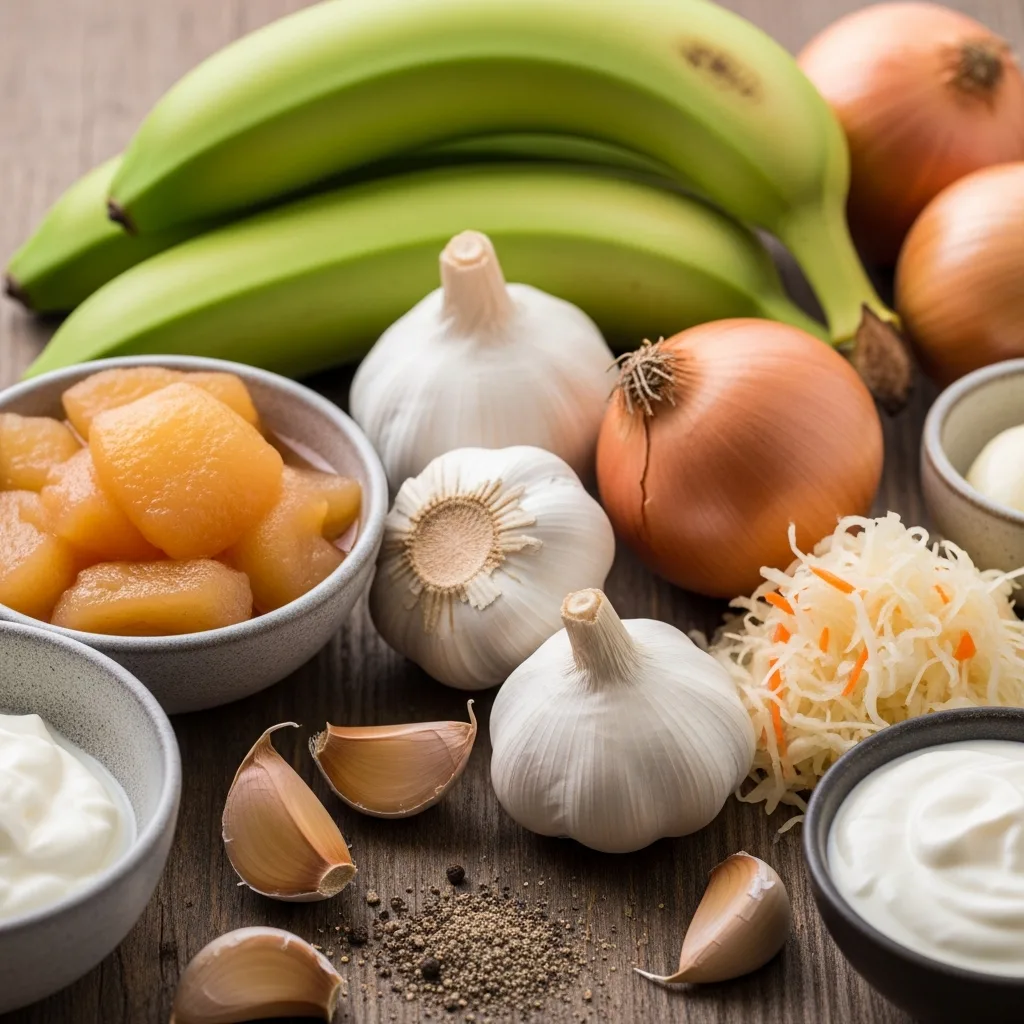
Green Bananas
While ripe bananas are easy to digest, slightly green bananas are incredibly rich in a compound called resistant starch. This specific type of starch bypasses early digestion and travels directly into the colon intact. Once there, it acts as a powerful prebiotic, exclusively feeding the beneficial bacteria that heal your intestinal walls.
Garlic and Onions
These aromatic alliums are the ultimate prebiotic powerhouses for a recovering digestive system. They are densely packed with inulin, a type of soluble fiber that acts as high-quality fertilizer for your healthy gut flora. Incorporating cooked garlic and onions safely into your meals ensures your microbiome has the energy it needs to multiply.
Stewed Apples
Raw apples can sometimes irritate a highly sensitive gut, but stewing or baking them changes their cellular structure completely. Cooking apples releases high amounts of pectin, a gelatinous fiber that physically coats and soothes an inflamed stomach lining. It is an incredibly gentle, gut-healing food for those in acute digestive distress.
Foods That Restore Gut Microbiome
Understanding the exact foods that restore the gut microbiome is absolutely essential for long-term digestive success. You cannot simply heal the intestinal barrier once and expect it to stay healthy without a thriving bacterial ecosystem to defend it.
Your microbiome dictates everything from daily nutrient absorption to your immune system responses.
To successfully curate food to improve gut bacteria, you must deeply understand the vital synergy between prebiotics and probiotics.
Probiotics are the live, beneficial bacteria found in fermented foods like yogurt, kefir, and raw sauerkraut. They are the actual microscopic workers building the protective mucus layer in your intestines.
However, these bacterial workers need specific food to survive, which is exactly where prebiotics come in. Prebiotics are tough, non-digestible plant fibers found in garlic, asparagus, oats, and dandelion greens.
If you consume expensive probiotics without eating prebiotics, the healthy bacteria will eventually starve and die off.
In my clinic, I always advise patients to combine these two crucial elements in the exact same meal whenever possible.
For example, eating a bowl of probiotic-rich unsweetened yogurt topped with prebiotic-dense sliced green bananas creates a perfect symbiotic environment. This dual-action approach ensures rapid and highly sustainable microbiome restoration.
Foods That Heal Gut Inflammation
When the intestinal barrier is breached, the body’s immune system launches an aggressive inflammatory attack against leaking food particles. Identifying specific foods that heal gut inflammation is the fastest way to turn off this systemic immune alarm. The clinical goal is to aggressively cool the irritated tissues so cellular repair can finally begin.
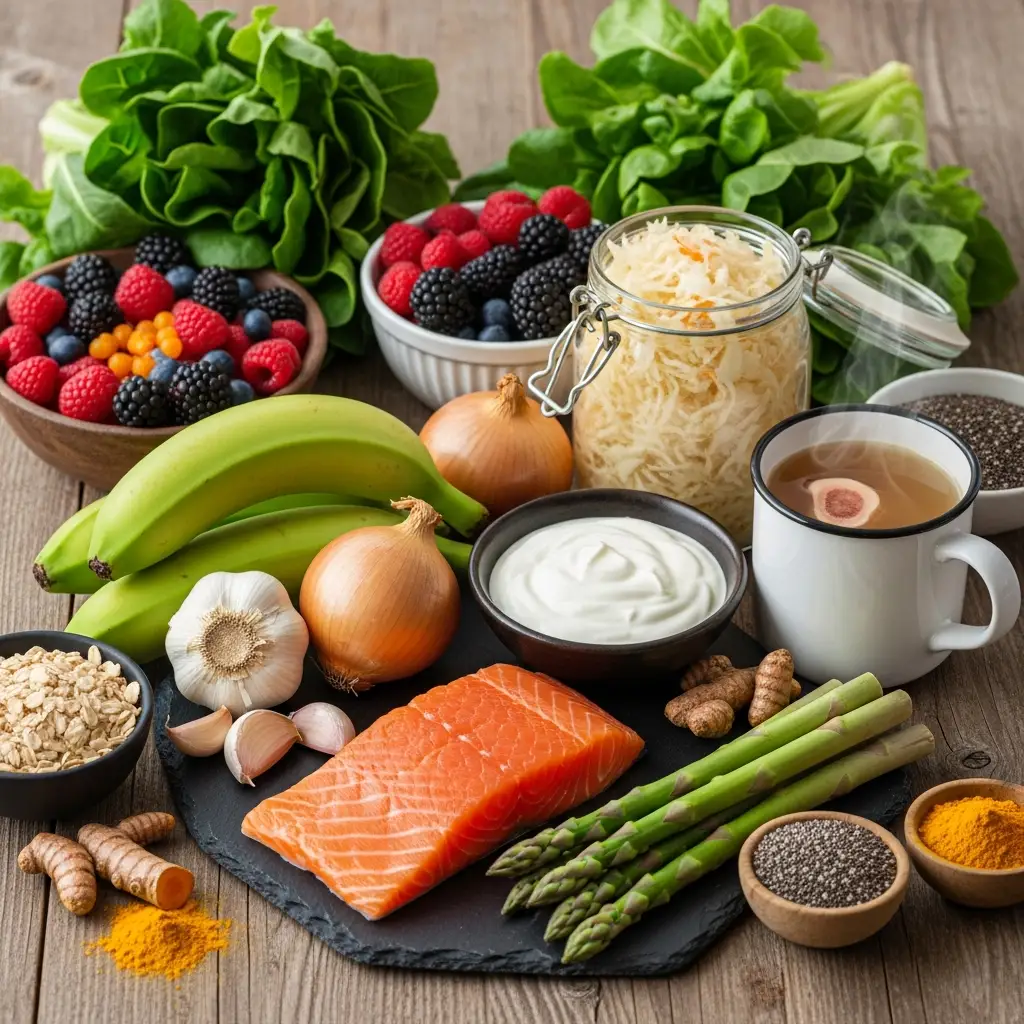
To learn how to soothe inflamed intestines, you must prioritize foods rich in powerful antioxidants and omega-3 fatty acids. Wild-caught salmon, chia seeds, and walnuts are excellent foundational choices for daily meals.
Additionally, incorporating deeply colored berries like wild blueberries provides polyphenols, which actively reduce oxidative stress in the lower gut.
Worst Foods for Gut Health
Healing is just as much about what you completely remove as it is about what you add to your plate. The worst foods for gut health act like rough sandpaper on your incredibly fragile intestinal walls. Continuing to eat these items while trying to heal your digestion is like trying to put out a fire with gasoline.
First, ultra-processed foods heavily laden with chemical emulsifiers literally dissolve the protective mucus lining of your stomach. Second, refined sugar and high-fructose corn syrup aggressively feed harmful yeast and pathogenic bacteria.
Finally, you must strictly avoid artificial sweeteners and heavy alcohol, as they trigger immediate, severe inflammation and physically widen your tight junctions.
Gut-Friendly Foods List
To make your grocery shopping simple and stress-free, keep this quick reference guide handy. Focusing heavily on these foods that are gut-friendly ensures you are actively promoting cellular repair with every single meal. Here is a breakdown of the best foods that promote gut health:
| Green bananas, cooked oats, garlic, onions, and asparagus | Best Examples for Repair |
| Probiotics (The Bacteria) | Unsweetened yogurt, milk kefir, raw sauerkraut, kimchi |
| Prebiotics (The Fertilizer) | Green bananas, cooked oats, garlic, onions, asparagus |
| Anti-inflammatory (The Soothers) | Turmeric, wild salmon, bone broth, chia seeds, blueberries |
How to Repair Gut Lining Naturally
Patients often ask me how to repair the stomach lining naturally without relying heavily on lifelong prescription medications. The clinical approach always starts with a highly strict elimination protocol. You must completely remove the hidden dietary irritants that are causing the ongoing, daily damage.
If you are wondering how to heal gut lining quickly, the answer lies in a comprehensive, full-body lifestyle shift. Once dietary irritants are removed, you must aggressively introduce healing foods like bone broth and fermented vegetables.
Furthermore, you must prioritize eight hours of sleep and manage daily stress, as high cortisol physically halts the intestinal cellular repair process.
7-Day Gut Reset Plan
For patients struggling with severe, chronic bloating, I frequently prescribe a highly structured 7-day gut reset. This protocol is absolutely not a starvation diet, but rather a targeted medical strategy to give your overworked digestive system a much-needed break. Here is a foundational look at how to reset your gut naturally using specific gut reset foods.
Days 1 to 2: The Strict Elimination Phase
Begin by completely removing all refined sugars, dairy (except fermented kefir), gluten, alcohol, and heavily processed foods. Focus entirely on easy-to-digest, warming meals to soothe the system.
Drink two cups of high-quality bone broth daily and stick to lean proteins with steamed, low-fiber vegetables to minimize digestive effort.
Days 3 to 5: The Reintroduction of Good Bacteria
Now that the acute inflammation is actively calming down, it is time to carefully introduce probiotics. Start adding small amounts of fermented foods, like a spoonful of sauerkraut or unsweetened kefir, to your morning routine.
Continue eating bone broth daily and introduce incredibly gentle prebiotic fibers like stewed apples or mashed green bananas.
Days 6 to 7: Establishing the New Balance
By the end of the week, your painful bloating should be significantly reduced. Now, focus heavily on combining prebiotics and probiotics in solid meals, such as adding cooked onions to a wild salmon and spinach dish.
This final phase locks in the healthy microbiome changes and sets a highly sustainable baseline for your future diet.
How Long Does It Take to Heal the Gut?
Patients are often incredibly eager for an exact timeline, constantly asking exactly when they will feel normal again. In clinical reality, the timeline ranges broadly from four weeks to over six months. It depends entirely on the specific severity of the cellular damage and your strict adherence to the healing protocol.
If your intestinal permeability is incredibly mild and you strictly follow a gut-healing diet, you can see massive symptom reduction in just a few short weeks.
However, if you have been consuming a highly inflammatory diet for decades, the fragile enterocytes need significant, uninterrupted time to fully regenerate and permanently tighten those vital junctions.
Medical Perspective on Gut Healing
From a strict clinical standpoint, intestinal repair is a highly scientific and measurable process. We are not just guessing with diet; we are actively supporting the rapid regeneration of enterocytes (gut cells) and enforcing the integrity of the tight junction proteins (like zonulin and occludin).
By utilizing this specific nutritional protocol, overwhelming clinical evidence shows a drastic reduction in systemic inflammatory markers across the body. As a physician, seeing a patient finally absorb their vital nutrients and overcome chronic fatigue simply by altering their microbiome is deeply rewarding.
Who Should Be Careful?
While this specific healing protocol is highly safe for the general public, certain individuals need highly customized clinical guidance. Patients diagnosed with severe Irritable Bowel Syndrome (IBS) or active Inflammatory Bowel Disease (IBD), like Crohn’s or Ulcerative Colitis, must proceed with extreme caution.
For example, high-fiber prebiotic foods can accidentally trigger extreme pain and bloating during an active Crohn’s flare-up. Furthermore, individuals with specific histamine intolerances may react very poorly to aged fermented foods and slow-cooked bone broth.
Always adapt these medical recommendations to your specific clinical diagnoses and consult your gastroenterologist.
Frequently Asked Questions
What food rebuilds the stomach lining?
The most effective foods for structural rebuilding include collagen-rich bone broth and targeted L-glutamine supplements. Additionally, highly soothing soluble fibers found in stewed apples and cooked oats provide excellent daily support for cellular repair.
How to heal the gut lining quickly?
The fastest cellular healing occurs when you immediately stop consuming heavy alcohol, refined sugar, and highly processed foods. You must rapidly replace these dietary irritants with anti-inflammatory omega-3s, daily probiotics, and easily digestible whole foods.
What are the 7 signs of an unhealthy gut?
The most common clinical signs include chronic bloating immediately after meals, highly unpredictable bowel habits, and sudden new food sensitivities. You may also experience severe brain fog, relentless daily fatigue, unexplained skin flare-ups, and excessive gas.
What is a 7-day gut reset?
A 7-day gut reset is a short-term, highly focused dietary protocol expertly designed to give your overworked digestive tract a break. It completely eliminates inflammatory triggers and strictly floods the system with easily absorbable, repairing nutrients.
Should I take probiotic supplements to heal my gut?
While obtaining beneficial bacteria from whole, fermented foods is always optimal, a high-quality, multi-strain probiotic supplement can be incredibly effective. It acts as a powerful catalyst for repairing severe microbiome imbalances when properly supervised by a physician.
Conclusion
Healing your gut lining is not about strict perfection; it is about consistent, daily nourishment. In my practice, watching patients like Elena transform from fearing food to enjoying meals again is the ultimate reward. Your intestinal barrier has an incredible capacity to regenerate when given the right structural tools.
By actively removing harsh dietary irritants and embracing collagen-rich broths, fermented foods, and soothing fibers, you are rebuilding your health at a cellular level.
Remember that true microbiome restoration is a marathon, not a sprint. Be patient with your body as it repairs years of chronic inflammatory damage.
Do not let unpredictable digestive discomfort control your daily life any longer. Start small, implement the 7-day gut reset gently, and listen closely to your body’s unique signals. With targeted nutrition, stress management, and proper clinical guidance, lasting gut health is absolutely within your reach.
Authoritative References:
- PubMed Central (PMC) – Alterations in Intestinal Permeability: The Role of the “Leaky Gut” in Health and Disease
- PubMed Central (PMC) – Intestinal Permeability Disturbances: Causes, Diseases and Therapy
- Cleveland Clinic – Authoritative Health Article: Leaky Gut Syndrome: Symptoms, Diet, Tests & Treatment
- Mayo Clinic—Authoritative Health Article: Get to Know Your Microbiome: It Can Improve Gut Health and More
- Harvard Medical School – Gut Check: How the Microbiome May Mediate Heart Health & Inflammation
Related Posts



MORE from Author
Read More As a physician specializing in exercise science and public health, I regularly consult patients who feel completely lost in the…
 Just last week, a 34-year-old patient named Clara sat in my clinic, feeling entirely overwhelmed by the modern fitness industry.…


 Hello, I am Dr. Kenji Sato, MD, specializing in sports medicine and performance optimization. In my sports clinic, I constantly…
- In my clinical practice as a physician focused on exercise science, I often tell patients that mastering fitness bench workouts…