Fitness Lower Back Pain: Best Exercises, Relief Tips & What to Avoid (MD Guide)

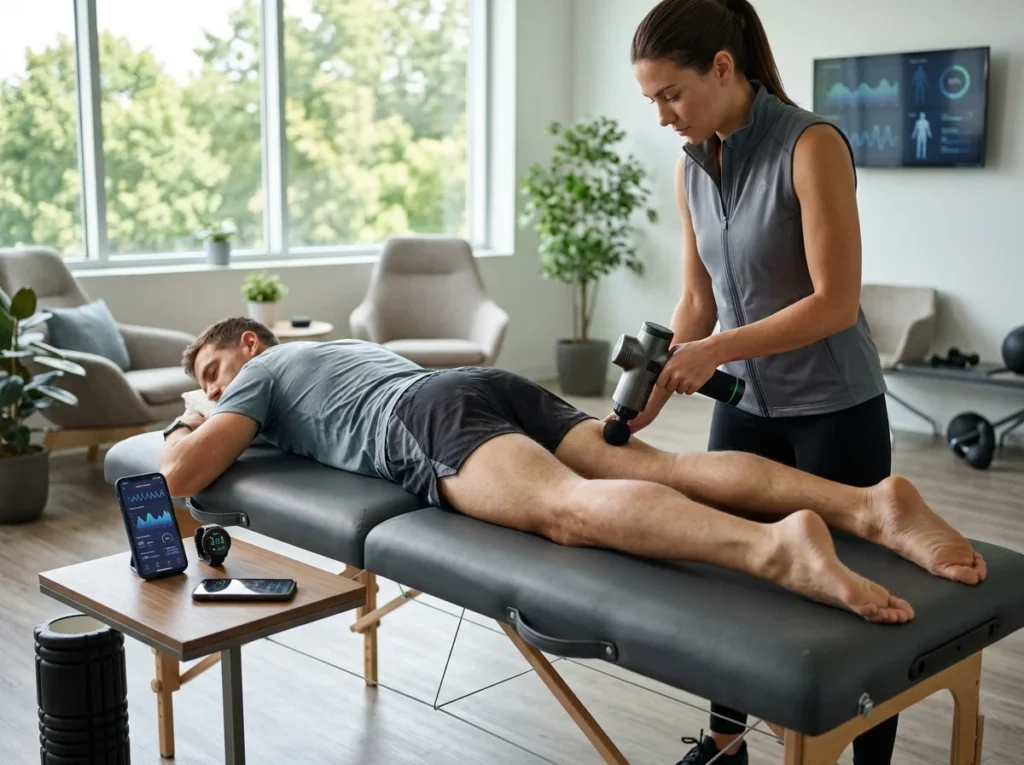
Dealing with fitness lower back pain is incredibly frustrating for any active person. You hit the gym hard, but suddenly, a sharp ache stops your progress completely. First of all, do not panic. As a sports medicine physician, I see this specific injury almost daily in my clinic.
Consequently, I know exactly how to fix it safely. Recently, I treated a 32-year-old patient named Sarah. She developed severe spasms after a heavy barbell squat session. She was terrified that she had slipped a disc. However, my clinical examination revealed a simple, correctable muscle strain.
By implementing proper low back pain strengthening exercises, Sarah returned to the gym pain-free within just a few weeks. Furthermore, most cases absolutely do not require invasive surgery. In fact, targeted, gentle movement usually provides the absolute best relief.
Therefore, understanding the root cause is your first critical step. Let’s explore the safest ways to heal your spine and get you back to lifting.
TL;DR
Fitness lower back pain is incredibly common. Poor lifting form, weak core muscles, or overuse usually cause it. Evidence-based treatment includes targeted strengthening, light stretching, and activity modification.
Furthermore, most cases improve rapidly with exercise therapy. However, specific red flags require immediate medical evaluation.
What Causes Lower Back Pain in Fitness?
Understanding the exact biomechanical root of your pain is crucial.
The lumbar spine is a complex structure of vertebrae, discs, and massive muscle groups. When you lift heavy weights, this delicate system faces extreme mechanical stress.
Acute muscle strain is undoubtedly the most common culprit. When you lift a weight that exceeds your muscles’ physical capacity, the thick muscle fibers stretch and tear. Consequently, this microscopic tearing leads to immediate inflammation, stiffness, and sharp pain.
Poor lifting technique drastically multiplies this injury risk. Allowing your spine to round during a deadlift completely shifts the load off your glutes. Instead, the heavyweight transfers directly onto your fragile lumbar spinal discs.
Finally, weak core stability is a massive hidden danger. Your core includes the deep stabilizing muscles that wrap completely around your spine. If these muscles fail to engage, your lower back absorbs the shock of every movement.
How to Fix Lower Back Pain from the Gym
If you suffer an injury mid-workout, you must immediately know how to fix lower back pain from the gym. First of all, stop the aggravating exercise instantly. Do not let your ego force you to finish the set. Pushing through will only worsen the tissue tear.
Once you are home, focus entirely on aggressive core stabilization. Many people mistakenly try to touch their toes to stretch a strained back. However, this forward bending places even more tension on the already damaged tissues.
Instead, utilize strict, proper form in all your daily activities. Practice the “hip hinge” when picking up objects, bending at the hips while keeping your spine neutral. Consistently protecting the injured area allows the massive inflammation to subside naturally.
How to Relieve Lower Back Pain Fast
When muscle spasms strike, patients desperately want to know how to relieve lower back pain fast. Immediate clinical relief prioritizes calming your hyperactive central nervous system. Gentle movement is vastly superior to complete bed rest. In fact, prolonged bed rest actually increases joint stiffness.
Applying heat therapy is incredibly effective for muscular spasms. A heating pad dilates blood vessels, pulling healing nutrients into the torn muscle fibers. However, never apply heat to a fresh, visibly swollen injury. Use ice for the first 48 hours instead.
Light, pain-free stretching also provides temporary relief. Focus on gently stretching the surrounding muscles, like the hamstrings, rather than the spine itself. Tight hips aggressively pull on the pelvis, creating severe secondary tension in the lower back.
Is It Okay to Exercise With Lower Back Pain?

Many frustrated gym-goers ask me, “Is it okay to exercise with lower back pain?” The medical answer is yes, provided you make strict modifications. Complete inactivity rapidly leads to muscle atrophy and prolonged recovery times.
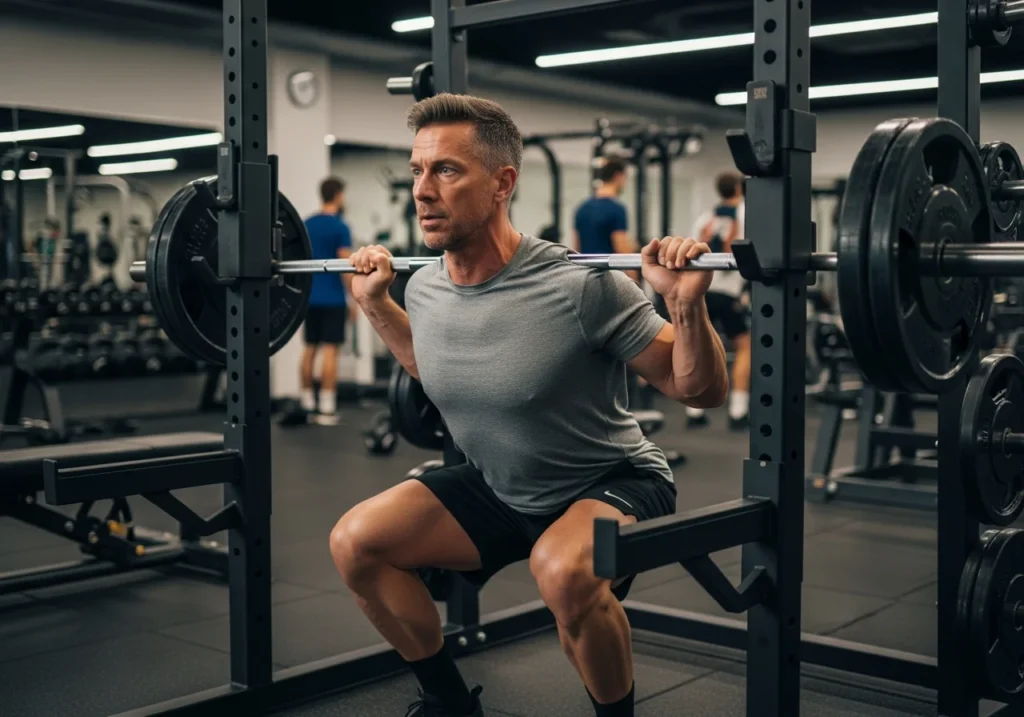
You must absolutely avoid high-impact strain, such as heavy barbell squats or explosive box jumps. These intense activities send violent shockwaves directly into your vulnerable lumbar spine. Therefore, you must modify your approach completely.
Instead, change your routine to focus on supported, isolated movements. Use chest-supported row machines instead of bent-over barbell rows. Pain must be your ultimate guide. If an exercise causes sharp, stabbing pain, stop immediately.
5 Red Flags of Low Back Pain (When to See a Doctor)
While most gym injuries are strictly muscular, you must know when to seek emergency medical attention. We look for specific warning signs to rule out serious conditions. These red flags indicate potential nerve damage.
First, severe or worsening pain that wakes you up from a deep sleep requires imaging. Second, any sharp numbness or tingling shooting down your leg indicates sciatic nerve compression. You must not ignore radiating nerve pain.
Third, the loss of bladder or bowel control is a severe medical emergency. This condition requires immediate surgical intervention. Fourth, pain following a severe physical trauma requires evaluation for spinal fractures. Finally, unexplained weight loss can indicate an underlying systemic issue.
What Is the “Big 3” for Lower Back Pain?
In the realm of spinal biomechanics, Dr. Stuart McGill’s clinical research is the gold standard. When patients ask what the big 3 for lower back pain, they mean a highly researched triad of core exercises. These movements build an indestructible spine.
First, the Bird Dog actively trains the extensor muscles of the back. It builds incredible muscular endurance without placing heavy compressive loads on the spinal discs. Consequently, it is a staple in my clinic.
Second, the Side Plank strictly targets your lateral stabilizing muscles. A strong quadratus lumborum (QL) prevents your spine from buckling sideways during heavy lifts. Finally, the McGill Curl-Up trains the anterior core while keeping the lower back perfectly protected.
7 Best Exercises for Lower Back Pain
If you want to build a bulletproof torso, you need a targeted routine. Here are the 7 exercises for lower back pain that I prescribe most frequently.
Bird Dog: As mentioned, this stabilizes the entire posterior chain safely.
Glute Bridge: This movement powerfully activates the glutes, taking pressure directly off the lumbar spine.
Cat-Cow: This gentle movement safely lubricates the spinal joints and reduces acute stiffness.
Pelvic Tilt: A foundational exercise that teaches you how to control and neutralize your lower spine.
Child’s Pose: This yoga pose provides a safe, passive stretch for the latissimus dorsi and lumbar fascia.
Knee-to-Chest Stretch: Gently pulling your knees to your chest effectively relieves tension in the lower back and hips.
Plank: A standard forearm plank fiercely builds the isometric core strength required for heavy gym lifting.
3 Simple Exercises for Lower Back Pain
Sometimes, patients just need a very quick starting point. Therefore, I frequently prescribe these 3 exercises for lower back pain. They are incredibly safe and highly effective.
First, perform gentle pelvic tilts to neutralize your spine. Second, do basic knee hugs while lying completely flat. Finally, finish with the relaxing cat-cow stretch. Consequently, you will quickly reduce painful joint stiffness.
Single Best Exercise for Lower Back Pain
Patients constantly ask me for the absolute magic bullet. Clinically speaking, the single best exercise for lower back pain is undeniably the Bird Dog.
Why is it so effective? Because it aggressively trains your deep core stabilizers without compressing your fragile spinal discs. Therefore, it perfectly balances muscular strength and vital joint safety.
5-Minute Exercise Routine for Lower Back Pain
You absolutely do not need an hour to find relief. In fact, a 5-minute exercise for lower back pain can work absolute wonders. First of all, daily consistency is key.
Start with exactly one minute of slow pelvic tilts. Next, transition into one minute of gentle cat-cow stretches. Afterward, carefully perform one minute of the Bird Dog exercise.
Then, execute one minute of bodyweight glute bridges. Finally, finish with a one-minute child’s pose stretch. Consequently, your entire spine will feel completely rejuvenated and loose.
Lower Back Pain Exercises at Home
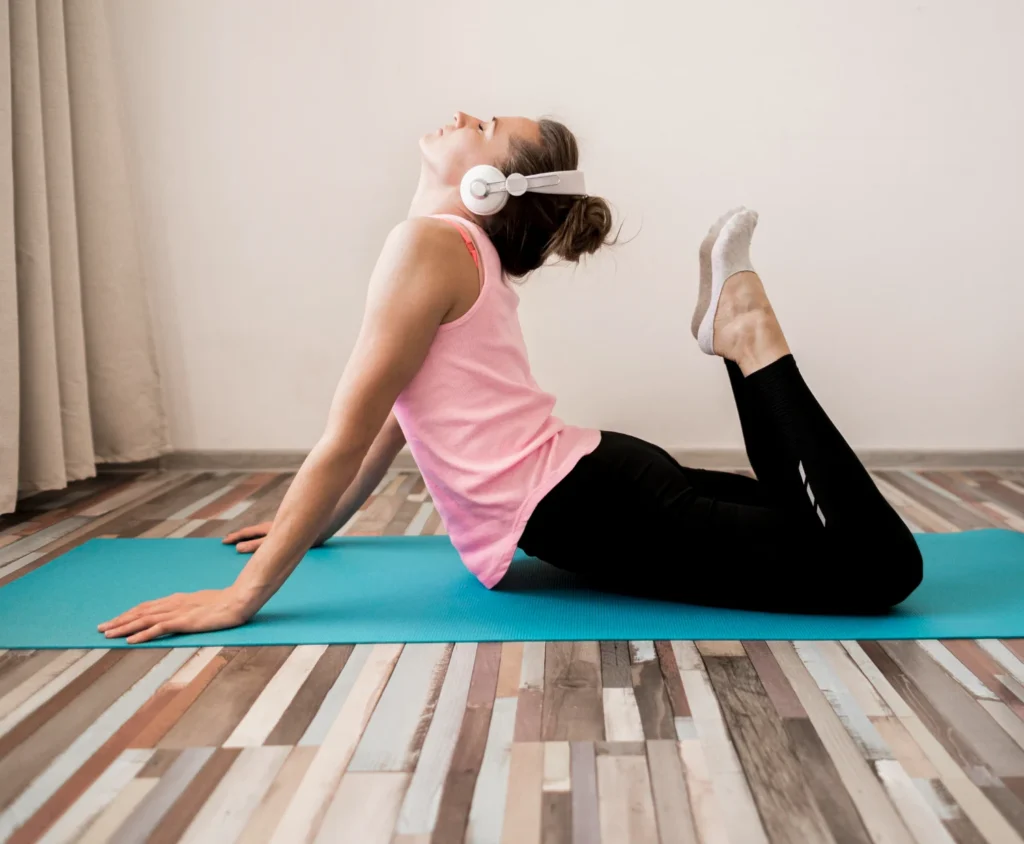
You absolutely do not need expensive gym equipment to heal. The absolute best lower back pain exercises at home strictly use your own body weight.
For instance, practice standard forearm planks and side planks every single day. Furthermore, utilize a simple yoga mat for comfortable joint support. Therefore, you can safely build immense core strength right in your living room.
Lower Back Exercises at the Gym
Once you return to the weight room, you must train intelligently. Safe lower back exercises gym routines strictly focus on muscle stability over massive weight.
For example, perform modified Romanian deadlifts using very light dumbbells. Additionally, use the seated cable row machine to strengthen your upper back safely. Most importantly, always keep your core violently braced during every single rep.
Physiotherapy Exercises for Lower Back Pain
Clinical rehabilitation always requires a highly structured, medical approach. Proper physiotherapy exercises for lower back pain strongly focus on gradual, extremely safe progression.
Physical therapists meticulously guide you through highly specific movements. As a result, you safely rebuild your damaged tissue tolerance over time. Therefore, always strictly follow your medical therapist’s exact rep scheme.
L4-L5 Strengthening Exercises
Athletes most frequently injure the L4-L5 spinal segment. Therefore, specific L4-L5 strengthening exercises must completely avoid extreme forward spinal bending.
Instead, prioritize strict anti-extension movements like the forearm plank. Furthermore, focus heavily on powerful glute activation. Consequently, your massive hip muscles will absorb the heavy shock instead of your fragile L4-L5 discs.
Stretches for Low Back Spasms
When your back muscles lock up completely, you must act gently. Highly effective stretches for low back spasms prioritize extreme caution and patience.
Never force a physical stretch that causes sharp, stabbing pain. Instead, gently pull your knees to your chest and breathe deeply into your belly. Consequently, your central nervous system will slowly relax the tight muscle fibers.
Exercises to Prevent Back Spasms
Medical prevention is always better than a painful cure. The absolute best exercises to prevent back spasms build a resilient, iron-clad core.
Regularly perform intense side planks and heavy farmer’s carries. In addition, strictly prioritize daily hamstring mobility work. Thus, your body will safely handle unexpected physical loads at the gym.
Lower Back Pain Exercises to Avoid
Some popular gym movements are simply too dangerous during injury recovery. There are specific lower back pain exercises to avoid at all costs.
First of all, avoid heavy barbell deadlifts with poor form entirely. Furthermore, completely skip full sit-ups, as they aggressively crush your fragile lumbar discs. Finally, avoid any violent, loaded twisting movements.
Stretching and Strengthening Exercises (Combined Approach)
A truly healthy, pain-free spine requires both muscular flexibility and raw power. Therefore, combining stretching and strengthening exercises is clinically essential for total recovery.
If you only stretch, your spine becomes dangerously unstable. Conversely, if you only strengthen, your spinal joints become stiff and rigid. Hence, you must perfectly balance both methods for optimal long-term health.
Reddit Fitness Advice: What Gets Right & Wrong
Many desperate patients consult the internet before seeing a doctor. Searching for Reddit fitness lower back pain advice is incredibly common but highly risky.
On the one hand, empathetic community support is genuinely helpful. However, the medical accuracy of anonymous forum advice is extremely poor. Therefore, always fiercely verify any online exercise routine with your certified physician first.
Prevention Tips for Lower Back Pain
You can actively prevent terrifying future injuries with smart daily habits. First, always rigorously prioritize perfect lifting form over lifting heavy weights.
Second, dedicate at least ten minutes daily to strict core strengthening. Finally, maintain regular mobility work for your tight hips and ankles. As a result, your spine will remain perfectly healthy, strong, and safe.
Frequently Asked Questions
How can I safely treat fitness lower back pain fast?
First of all, immediately stop any gym exercise that causes sharp pain. Apply a heating pad to safely relax the intense muscle spasms. Furthermore, perform very gentle, pain-free mobility movements to restore your function.
Is it okay to exercise with lower back pain?
Yes, you can absolutely continue your physical training. However, you must strictly modify your weekly gym routine. Therefore, focus heavily on safe, isolated machines and completely avoid heavy, compressive barbell lifts.
What are the 5 red flags of low back pain?
You must see a doctor if you experience severe worsening pain, leg numbness, or foot tingling. Additionally, sudden physical trauma, unexplained weight loss, or loss of bladder control requires immediate emergency medical care.
What is the single best exercise for lower back pain?
The Bird Dog is undeniably the safest clinical movement available. Consequently, it aggressively builds deep core stability without compressing your fragile spinal discs. Therefore, you should practice it every single day.
Which lower back pain exercises should I avoid?
You must completely avoid heavy barbell deadlifts if you lack perfect form. Furthermore, full sit-ups aggressively crush your fragile lumbar discs. Finally, skip any violent, loaded twisting movements during your total physical recovery.
Conclusion
In conclusion, fully healing your spine is entirely possible with the right clinical approach. First of all, completely avoid the dangerous gym exercises that initially caused the injury. Then, consistently apply the medical advice and physical routines outlined above.
Never let your gym ego dictate your daily training weight. Take strict control of your physical recovery, rigorously prioritize your core strength, and completely eliminate your fitness lower back pain forever.
Authoritative References:
- PubMed – Best Exercise Options for Reducing Pain and Disability in Adults With Chronic Low Back Pain: Pilates, Strength, Core-Based, and Mind-Body
- PubMed – Core Stability Exercise Versus General Exercise for Chronic Low Back Pain
- PubMed – Core Stability Exercise Principles
- Cochrane Library – Spinal Manipulative Therapy for Adults With Chronic Low Back Pain
- CDC Stacks – Biomechanical and Psychosocial Risks for Low Back Pain
Related Posts




MORE from Author
Read More As a physician specializing in exercise science and public health, I regularly consult patients who feel completely lost in the…
 Just last week, a 34-year-old patient named Clara sat in my clinic, feeling entirely overwhelmed by the modern fitness industry.…

 Hello, I am Dr. Kenji Sato, MD, specializing in sports medicine and performance optimization. In my sports clinic, I constantly…
- In my clinical practice as a physician focused on exercise science, I often tell patients that mastering fitness bench workouts…