Can Sleep Apnea Kill You? What You Need to Know About the Risks
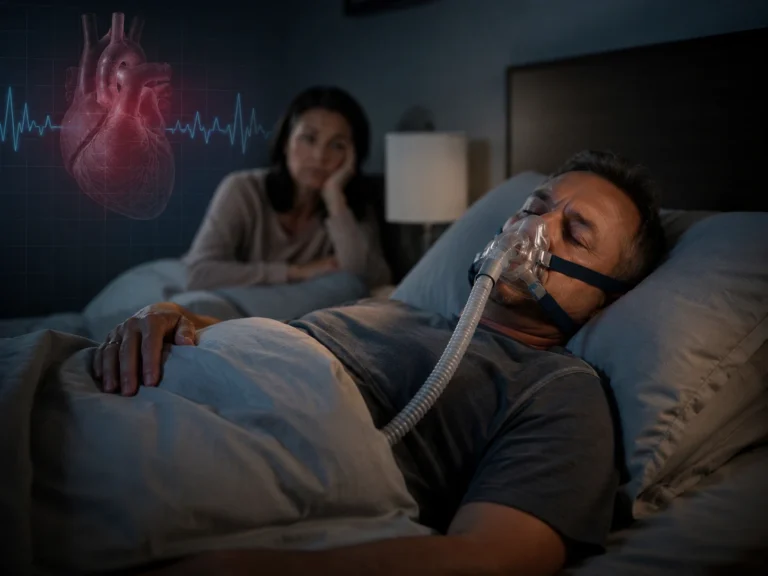
Most people think this condition only causes loud snoring and daytime fatigue, but when patients ask me, “Can sleep apnea kill you?” I have to answer honestly. Severe, untreated sleep apnea can profoundly affect the heart and brain, and yes, it can increase the risk of sudden death. Understanding what sleep apnea is helps clarify these risks.
As Dr. Julian Thorne, a physician specializing in metabolic and sleep health, I see patients every week who are terrified by what they read online. Many ask if sleep apnea is dangerous or, worse, if untreated sleep apnea can kill you without warning. The truth requires balancing medical reality with reassurance.
Not everyone with a diagnosis is in immediate, fatal danger, as the severity of the condition matters immensely.
While asking, “Can sleep apnea be fatal?” is a valid fear, understanding the mechanisms of the disease is your best defense. Treatment dramatically lowers these risks, turning a potentially life-threatening condition into a highly manageable one. For context on early cardiovascular warning signs, see our related guide.
What Is Sleep Apnea?
To understand what sleep apnea is and if it can kill you, we first need to look at the mechanics of the disorder. Sleep apnea is a serious medical condition where your breathing repeatedly stops and starts while you are unconscious. There are two primary types of this condition.
Obstructive Sleep Apnea (OSA) occurs when the throat muscles relax too much, physically blocking the airway. Central Sleep Apnea (CSA) happens when the brain fails to send the correct signals to the muscles controlling your breath. Learn more about how REM sleep affects breathing patterns.
Common symptoms for both types include waking up gasping for air, severe daytime exhaustion, and chronic morning headaches. However, the most universally recognized symptom is incredibly loud, disruptive snoring. The American Academy of Sleep Medicine provides detailed diagnostic criteria for these symptoms.
How Does Sleep Apnea Sound?
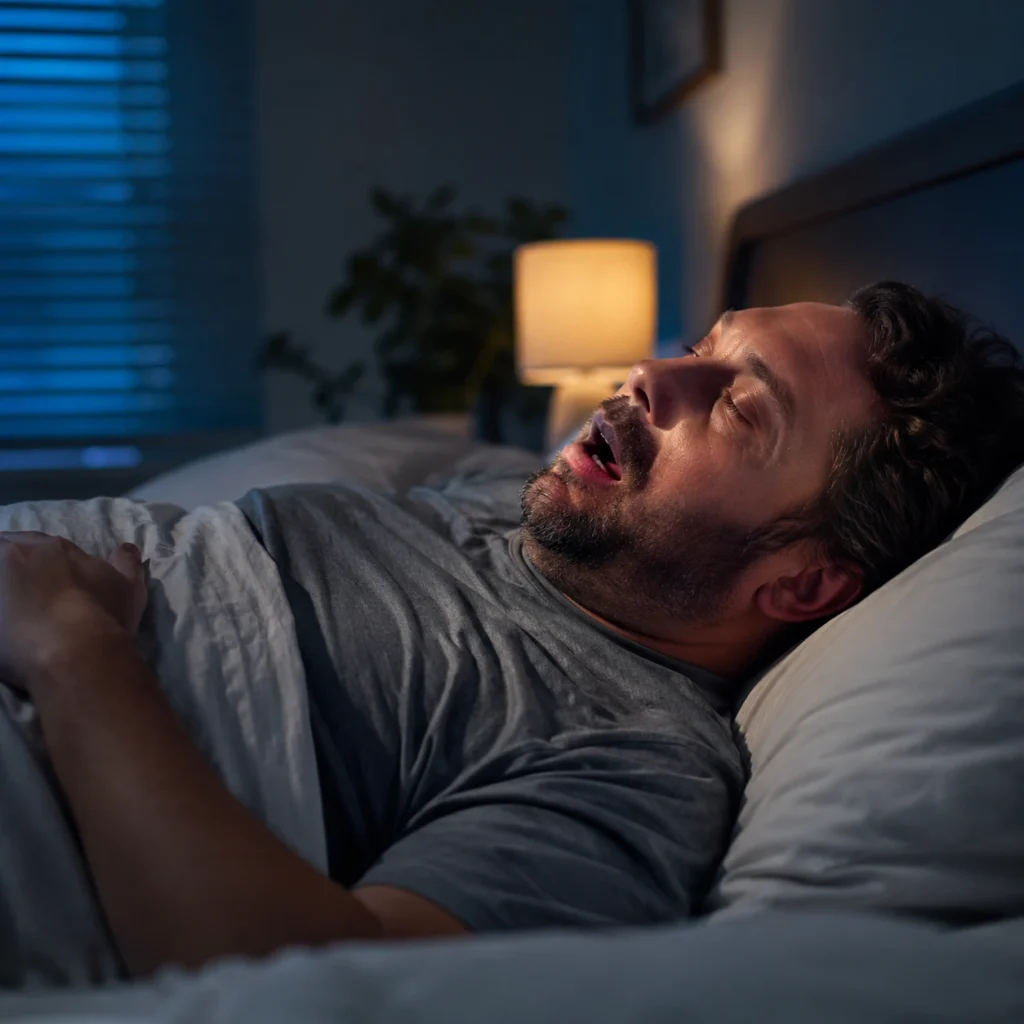
For bed partners, identifying the auditory clues can save a life. Sleep apnea does not just sound like rhythmic, heavy breathing. Instead, it is characterized by loud snoring followed by sudden, terrifying periods of total silence.
These pauses in breathing often end with loud choking sounds, violent gasping, or a sudden snort as the brain forces the body to wake up and breathe. Recognizing these patterns early can prompt timely evaluation. For broader sleep health tips, explore our guide on healthy sleep practices.
Can Sleep Apnea Kill You?
Let us address the primary concern directly: can sleep apnea kill you? Yes, severe untreated sleep apnea can contribute to fatal medical complications, though the context is incredibly important. When people ask, can sleep apnea kill you?
or fear that sleep apnea can kill you overnight, they often picture suffocation. However, sleep apnea itself usually does not directly “stop breathing forever” in one single, isolated event.
Instead, the danger lies in the chronic, nightly stress placed on your vital organs. Repeated oxygen drops force the body into a state of panic over years, not minutes. Can sleep apnea be deadly? Absolutely, but it acts more like a slow-burning fire.
The resulting oxygen deprivation, cardiovascular strain, blood pressure spikes, and irregular heart rhythms are what eventually lead to fatal outcomes. Research from the Centers for Disease Control and Prevention confirms these long-term risks.
How Can Sleep Apnea Kill You?
Understanding exactly how sleep apnea can kill you requires looking at the body’s internal alarm system. When you stop breathing, your blood oxygen plummets, triggering an intense “fight or flight” adrenaline surge.
This constant adrenaline release prevents your cardiovascular system from resting. Over time, this answers the question of how sleep apnea can kill you: by systematically damaging your major organs. The sleep apnea dangers death connection is rooted in five major medical pathways.
Heart Disease and Hypertension
The sudden drops in blood oxygen levels increase blood pressure and strain the entire cardiovascular system. Untreated severe OSA is one of the leading causes of treatment-resistant hypertension.
Over years, this relentless nightly pressure damages the heart muscle, significantly increasing the risk of a massive, fatal heart attack. For more on what causes heart disease, see our cardiovascular health resource.
Stroke Risk from Oxygen Fluctuation
When the airway collapses, the brain is temporarily starved of oxygen. This continuous fluctuation damages the delicate inner lining of your blood vessels. As these vessels become inflamed and stiff, the likelihood of a blood clot forming and traveling to the brain increases, making ischemic strokes a major risk factor. Understanding stroke versus heart attack differences helps clarify these risks.
Dangerous Cardiac Arrhythmias
What doctors worry about most are sudden electrical issues in the heart. The stress of choking for air can trigger atrial fibrillation (an irregular, rapid heart rate). In severe cases, these arrhythmias can cause the heart to stop pumping effectively, leading to sudden cardiac death during the night. The Cleveland Clinic details arrhythmia management strategies.
Fatal Car Accidents
The danger is not just internal. The severe daytime fatigue caused by fragmented sleep leads to dangerous microsleep episodes while driving. Studies consistently show that individuals with untreated sleep apnea are significantly more likely to die in fatal car accidents due to falling asleep at the wheel. For safety tips, see our guide on why preventive care matters.
Metabolic Damage and Diabetes
Sleep apnea actively works against your endocrine system. The chronic stress elevates cortisol and increases systemic inflammation. This leads to severe insulin resistance, compounding the risk of type 2 diabetes, which carries its own set of life-shortening complications. Learn about blood sugar regulation basics for metabolic health context.
Can Sleep Apnea Kill You in Your Sleep?
This is the most anxiety-inducing question I receive: Can sleep apnea kill you in your sleep? Patients often sit in my office, terrified to close their eyes at night.
I recently treated a patient named Mark, a 55-year-old father who had read that sleep apnea can kill you suddenly and had stopped sleeping out of sheer panic. I had to clarify carefully: most people with this condition do NOT suddenly die overnight from suffocation.
Your brain has a built-in survival mechanism that wakes you up when oxygen drops too low. However, severe untreated cases do increase the risk for sudden cardiac events in the early morning hours. The low oxygen combined with a sudden adrenaline spike can trigger a fatal arrhythmia.
The reassuring medical context is that effective treatment, like a CPAP machine, significantly and almost immediately lowers these nocturnal risks to normal levels. The Mayo Clinic confirms treatment efficacy data.
How Fast Can Sleep Apnea Kill You?
When diagnosed, many immediately wonder how fast sleep apnea can kill you. It is crucial to understand the timeline of this condition. Usually, sleep apnea damages your health gradually over a period of years or even decades. It is a compounding disease, meaning the longer it goes untreated, the more damage it causes to your blood vessels and heart.
How fast? You are asking how fast sleep apnea can kill you when other diseases are present; the timeline shrinks. Severe cases combined with existing heart disease or obesity, hypoventilation syndrome, can accelerate the risk of a fatal event.
We must avoid fear-mongering; you are unlikely to pass away weeks after your first snoring episode. But leaving it ignored for years is a dangerous gamble with your life expectancy. For perspective on preventing heart disease progression, see our prevention guide.
Can Mild, Moderate, or Severe Sleep Apnea Kill You?
Patients frequently want to know if their specific diagnosis level is lethal. Can mild sleep apnea kill you, or is that reserved for the worst cases? Severity and untreated duration matter most. Can severe sleep apnea kill you? Yes, the risk is exponentially higher. Can you die from moderate sleep apnea? The risk is lower but still present due to cumulative heart strain.
| Severity | Typical Medical Risk |
|---|---|
| Mild | Lower immediate risk, but requires lifestyle monitoring. |
| Moderate | Increased cardiovascular strain; treatment is highly recommended. |
| Severe | Higher risk of serious, potentially fatal complications. |
Understanding your diagnosis level helps guide treatment urgency. The National Heart, Lung, and Blood Institute provides severity classification guidelines.
Can Obstructive Sleep Apnea Kill You?
Because it is the most common form, many ask, can obstructive sleep apnea kill you specifically? As discussed, OSA is mechanical; the throat physically closes. Can sleep apnea be dangerous when it is purely obstructive? Yes, because OSA is strongly linked to high blood pressure, stroke, and heart disease due to the violent physical effort of trying to breathe against a closed airway.
Fortunately, CPAP therapy dramatically improves outcomes for OSA. By keeping the airway open with continuous air pressure, the cardiovascular risks are essentially neutralized. For more on exercise benefits for cardiovascular health, see our fitness resource.
Can Central Sleep Apnea Kill You?
The mechanisms are different, leading patients to ask, can central sleep apnea kill you? CSA is neurological, meaning the brain forgets to signal the lungs. CSA is highly concerning because it often indicates an underlying, severe medical issue. It is frequently linked to advanced neurological disease, congestive heart failure, or opioid-related breathing suppression.
Because of these underlying triggers, CSA often requires much closer medical evaluation and specialized BiPAP or ASV breathing machines to prevent life-threatening oxygen drops. The Johns Hopkins Medicine details CSA management protocols.
What Happens if Sleep Apnea Goes Untreated?
For those avoiding the doctor, what happens if sleep apnea goes untreated? The long-term consequences extend far beyond just feeling tired at work. Over the years, patients develop chronic fatigue, profound memory problems, and severe clinical depression. The physical toll manifests as uncontrolled hypertension and progressive heart disease.
Furthermore, can untreated sleep apnea kill you indirectly? Yes, because untreated sleep apnea compounds other diseases over time, making conditions like diabetes or asthma much harder to control and survive. For mental health support strategies, see our guide on how to deal with stress.
| Untreated Effect | Potential Medical Outcome |
|---|---|
| Oxygen drops | Severe heart strain and arrhythmias |
| Sleep fragmentation | Chronic fatigue and accident risk |
| High blood pressure | Increased stroke risk |
Is Sleep Apnea Dangerous in Your 20s?
Many assume this is only a condition for the elderly, asking can sleep apnea kill you in your 20s. While rare, young adults are not immune. Young adults can still develop severe fatigue, early-onset arrhythmias, and unexpected hypertension if their airway is genetically narrow or if they struggle with obesity.
While the immediate risk of a heart attack in your 20s is lower than for older adults, the risk is not zero. Catching it early prevents decades of cumulative heart damage. Understanding heart disease symptoms across ages helps with early detection.
Life Expectancy With Sleep Apnea
For those diagnosed later in life, the life expectancy with sleep apnea becomes a pressing concern. I always maintain an evidence-based tone regarding the sleep apnea survival rate. Untreated severe sleep apnea may significantly reduce your overall lifespan by increasing the likelihood of early cardiovascular death. The stress on the heart is simply too immense to sustain long-term.
But there is incredible hope. People treated consistently with CPAP therapy often completely reverse these risks, improving their quality of life and cardiovascular health and ultimately matching the survival outcomes of people without the condition. The Harvard Health Publishing discusses long-term treatment outcomes.
Celebrities and Public Cases Linked to Sleep Apnea
Public awareness often spikes when celebrities who died from sleep apnea make the news. In online support groups, you will often read tragic stories titled, “My husband died from sleep apnea.”
As a medical professional, I stress the importance of handling these stories with care and avoiding sensationalism. Some public deaths involved a combination of extreme obesity, advanced heart disease, and untreated sleep disorders.
These tragedies should be used as a catalyst for awareness, not a tool for fear. They highlight the importance of not ignoring loud snoring and getting a proper medical evaluation before it is too late. For broader wellness context, see our guide on how to stay healthy.
Can Sleep Apnea Be Cured?
Once the fear subsides, the focus shifts to solutions: can sleep apnea be cured? While there is no magic pill, some cases can improve significantly. For many, drastic weight loss can eliminate the fatty tissue compressing the airway, effectively curing mild to moderate OSA. Can sleep apnea be cured by losing weight entirely? For a specific subset of patients, yes.
Others ask, how did I cure my sleep apnea naturally? I warn patients to avoid promising “natural cures” sold online. Legitimate medical interventions include positional therapy, oral dental devices, and, in severe anatomical cases, corrective airway surgery. The details evidence-based treatment options.
How Does Sleep Apnea Affect the Body?
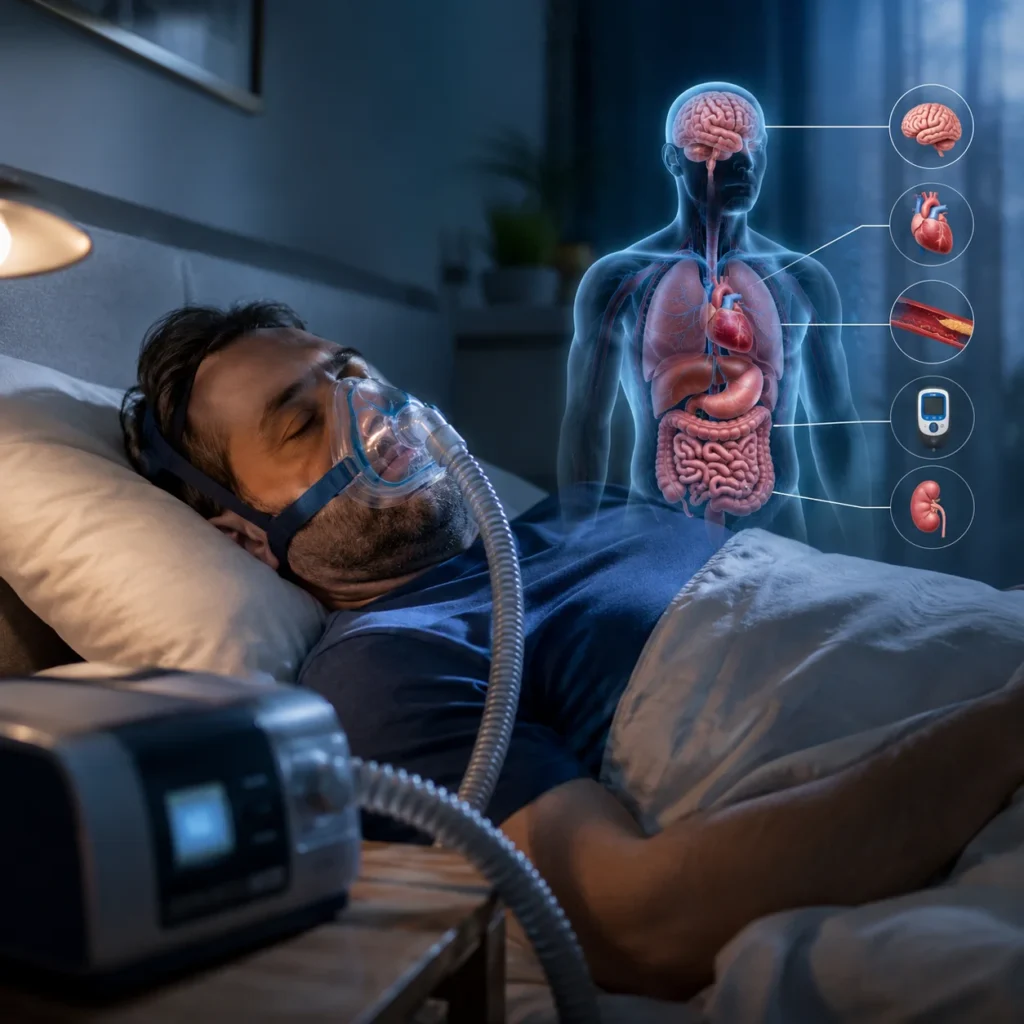
To truly grasp if sleep apnea is life-threatening, you must look at the whole picture. How does sleep apnea affect the body systemically?
It damages the heart through high blood pressure, and it starves the brain, leading to cognitive decline and mood disorders. It also disrupts hormones, drastically lowering testosterone in men and causing metabolic chaos.
Ultimately, it places the entire body in a constant state of emergency, accelerating the aging process of your cells and organs. For hormonal health insights, see our guide on common hormonal changes.
Frequently Asked Questions
Can sleep apnea kill you suddenly?
While rare, severe untreated sleep apnea can trigger a sudden, fatal cardiac arrhythmia (irregular heartbeat) during the night due to the combination of low oxygen and sudden adrenaline spikes. The Medical News Today reviews sudden cardiac risk data.
How fast can sleep apnea kill you?
Sleep apnea is generally a slow, compounding disease that damages the heart and blood vessels over years or decades. It rarely causes death rapidly unless combined with preexisting, severe cardiovascular disease. Early intervention remains critical for risk reduction.
Can mild sleep apnea be dangerous?
Mild sleep apnea has a much lower immediate risk of death, but it still causes increased cardiovascular strain, daytime fatigue, and can progress to moderate or severe if weight is gained or it goes unmonitored. Regular screening helps track progression.
Can you die from obstructive sleep apnea?
Yes, you can die from complications related to severe obstructive sleep apnea. The repetitive physical airway blockages lead to severe hypertension, massively increasing the risk of fatal heart attacks and strokes. Treatment dramatically lowers these risks.
What happens if sleep apnea is untreated?
If left untreated, sleep apnea causes chronic daytime fatigue, memory loss, depression, and severe metabolic damage. Over time, it dramatically increases your risk of developing life-threatening cardiovascular diseases. The National Sleep Foundation outlines untreated consequences.
Conclusion
To summarize, sleep apnea can indeed become dangerous and potentially fatal if left entirely untreated for years. Severe cases drastically raise the risk of heart disease, stroke, and sudden cardiac death. However, a diagnosis is not a death sentence. Most of these terrifying risks improve dramatically—and often reverse completely—with proper, consistent medical treatment.
Early diagnosis matters more than anything. If you are exhausted and your partner is terrified by your snoring, step out of the fear and step into a doctor’s office today. Understanding when to see a doctor can save your life. Your heart and brain deserve proactive care.
Authoritative References
- World Health Organization. (2026). Healthy sleep and neurological health fact sheet. https://www.who.int/news-room/fact-sheets/detail/sleep-and-health
- WebMD. (2025). Sleep apnea headaches: Causes and relief strategies. https://www.webmd.com/sleep-disorders/sleep-apnea/sleep-apnea-headaches
- Medical News Today. (2026). How sleep apnea affects brain health and headache risk. https://www.medicalnewstoday.com/articles/sleep-apnea-headaches
- Johns Hopkins Medicine. (2025). Sleep apnea: Diagnosis and treatment overview. https://www.hopkinsmedicine.org/health/conditions-and-diseases/sleep-apnea
- Britannica. (2026). Sleep disorders and neurological impacts. https://www.britannica.com/science/sleep-disorder
- American Heart Association. (2025). Sleep apnea and cardiovascular risk connection. https://www.heart.org/en/health-topics/sleep-disorders/sleep-apnea-and-heart-disease
- Healthline. (2026). Morning headaches: Causes linked to sleep quality. https://www.healthline.com/health/morning-headaches-sleep-apnea
- National Institute of Neurological Disorders and Stroke. (2025). Headache information page. https://www.ninds.nih.gov/health-information/disorders/headache
- Sleep Education (AASM). (2026). Sleep apnea symptoms and treatment options. https://sleepeducation.org/sleep-disorders/sleep-apnea/
- Harvard T.H. Chan School of Public Health. (2025). Sleep and chronic disease prevention. https://www.hsph.harvard.edu/nutritionsource/sleep/
Related Posts

MORE from Author
Read More As a physician specializing in exercise science and public health, I regularly consult patients who feel completely lost in the…
 Just last week, a 34-year-old patient named Clara sat in my clinic, feeling entirely overwhelmed by the modern fitness industry.…


 Hello, I am Dr. Kenji Sato, MD, specializing in sports medicine and performance optimization. In my sports clinic, I constantly…
- In my clinical practice as a physician focused on exercise science, I often tell patients that mastering fitness bench workouts…