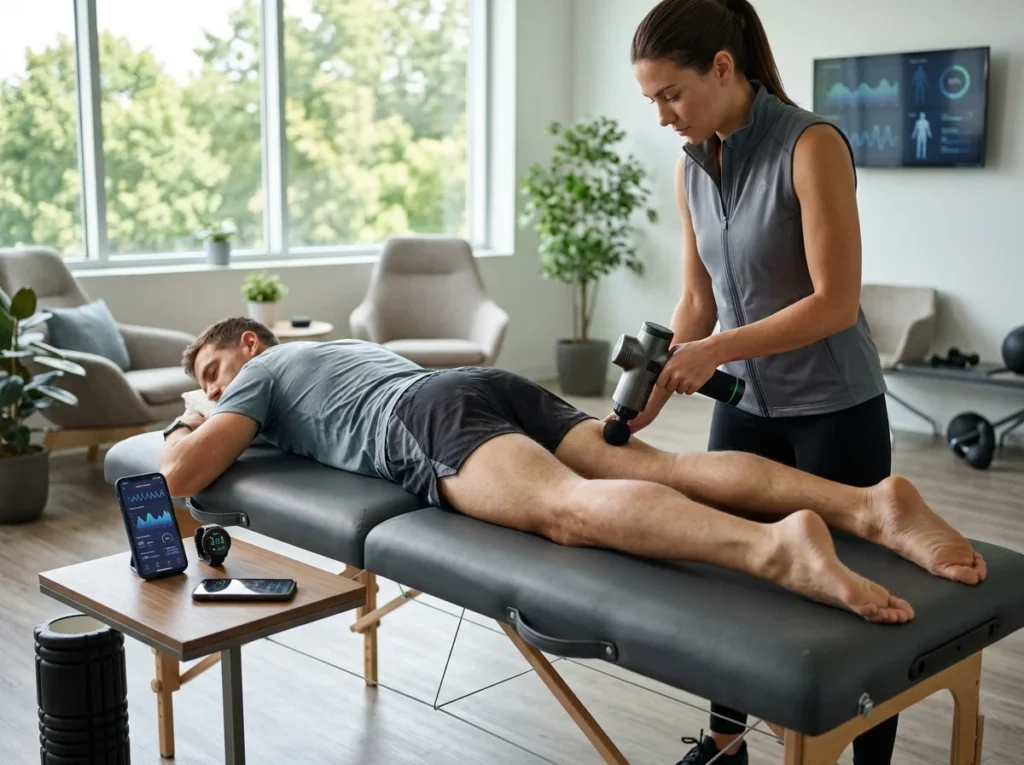
Exercise for Cardiovascular Fitness: Best Workouts to Improve Heart Health and Endurance

Hello, I’m Dr Kenji Sato, MD, specialising in cardiology and exercise medicine. In my clinic, many patients ask how to improve exercise cardiovascular fitness without following extreme or confusing workout routines.
Recently, I worked with Sarah, a 45-year-old patient who was concerned about rising blood pressure and a strong family history of heart disease. She felt overwhelmed by the conflicting fitness advice she found online.
I explained that improving cardiovascular health doesn’t require complicated programs—it requires a structured, science-backed approach to movement. We created a simple, progressive cardio plan that fit her lifestyle.
Within a few months, her resting heart rate improved, her blood pressure became more stable, and her daily energy levels increased significantly.
The human heart is the most vital muscle in the body. Like any muscle, it strictly requires consistent training to remain strong. In this comprehensive medical guide, we will break down the absolute best strategies to safely build your endurance.
We’ll help you profoundly protect your long-term heart health. For foundational wellness strategies, explore our guide on what is a healthy living.
TL;DR: Quick Summary
- Cardio exercise effectively strengthens the heart muscle and directly improves physical endurance.
- Aerobic activities like brisk walking, cycling, and lap swimming are highly effective options.
- A baseline of 150 minutes per week of moderate activity is strictly recommended for most adults.
- Both steady-state moderate and high-intensity interval exercises improve overall fitness levels.
- Long-term consistency always matters significantly more than short-term workout intensity.
What Is Cardiovascular Fitness?
Cardiovascular fitness, clinically known as cardiorespiratory fitness (CRF), refers to the absolute efficiency with which your heart, lungs, and vascular system deliver oxygen-rich blood to your working muscles during prolonged physical activity. It is the core foundation of human stamina.
When you have high cardiovascular fitness, your heart does not have to work nearly as hard to pump blood. A lower resting heart rate strongly indicates that your heart muscle has become highly efficient.
Learn more about what your resting heart rate says about your health. Medically, strong cardiovascular fitness is one of the single most accurate predictors of human longevity and overall metabolic health.
What Is the Best Exercise for Cardiovascular Fitness?
The absolute best exercise for cardiovascular fitness is any sustained aerobic activity that safely and consistently raises your heart rate. Examples include brisk walking, road cycling, swimming, or running.
The most clinically effective approach intelligently combines steady-state, moderate-intensity cardio with occasional high-intensity intervals. This simultaneously improves endurance capacity and overall heart health. For targeted heart benefits, see our guide on the best exercise for heart health.
How Does Exercise Improve Cardiovascular Fitness?
Understanding exactly how to train cardiovascular fitness requires knowing what is happening inside your body on a cellular level. Regular aerobic exercise triggers profound physiological adaptations.
First, it physically strengthens the myocardium (the heart muscle itself). This allows it to pump a larger volume of blood with every single beat. This metric is known as stroke volume. Second, it aggressively stimulates the creation of new microscopic blood vessels (capillaries) within your muscles.
This drastically improves oxygen utilisation. Finally, regular exercise improves the elasticity of your arteries. This ensures smoother, lower-pressure blood circulation throughout your entire body.
Health Benefits of Cardiovascular Exercise
The systemic health benefits of cardiovascular exercise extend far beyond simply feeling less winded when climbing the stairs. It is the most powerful preventative medicine currently available.
Consistent aerobic training significantly lowers your long-term risk of coronary artery disease and fatal strokes [[AHA]]. It actively lowers high blood pressure by keeping blood vessels flexible and healthy. Furthermore, it provides vastly better blood sugar control.
It forces muscles to consume excess glucose. This reliably enhances mental health by heavily stimulating the release of mood-stabilising endorphins. Discover the comprehensive benefits of exercise for total body wellness.
Does Exercise Improve Heart Health?
Yes, regular, structured exercise profoundly improves overall heart health. It actively strengthens the heart muscle and safely lowers resting blood pressure. Significantly improves blood cholesterol levels by raising protective HDL.
It drastically enhances systemic blood circulation. This heavily reduces the clinical risk of developing severe cardiovascular disease [[AHA]]. Learn practical strategies for how to improve heart health.
Activities That Improve Cardiovascular Fitness
When discussing what exercise improves cardiovascular fitness, variety is highly important to prevent joint overuse injuries. The best activities require large muscle groups to move in a rhythmic, continuous manner.
- Brisk Walking: The most accessible and universally prescribed baseline activity.
- Running/Jogging: Highly intense and excellent for rapid cardiovascular adaptation.
- Swimming: A phenomenal zero-impact option that challenges both the lungs and muscles.
- Rowing: A highly efficient, full-body cardiovascular workout that heavily engages the back and core.
- Cycling: Excellent for building deep leg endurance without heavy joint impact.
Cycling Exercise for Cardiovascular Fitness

Utilising cycling exercise cardiovascular fitness routines is one of the most effective ways to build massive endurance safely. Cycling is a non-weight-bearing activity. This makes it perfect for patients with significant knee or hip arthritis.
Riding an indoor stationary bike allows for highly precise control over resistance and heart rate zones. However, practising cycling exercise cardiovascular fitness outdoors provides the added, significant medical benefit of a mental health boost.
Direct sun exposure and varying environmental terrain naturally act as interval training. For women seeking tailored advice, explore our fitness tips for women.
Best Way to Build Cardio Fitness
The clinical best way to build cardio is through strict, intelligent progression. You cannot rush cardiovascular adaptation. Pushing too hard, too fast, frequently results in burnout or severe injury.
Always start incredibly slow. Focus entirely on the duration of the exercise rather than the speed. Once you can comfortably sustain activity for 30 uninterrupted minutes, gradually begin to increase the intensity or resistance.
Finally, the most advanced approach combines long, steady-state sessions with shorter, highly intense interval workouts. This challenges the heart in multiple ways.
How to Increase Cardiorespiratory Fitness
If your baseline is already established, knowing how to increase cardiorespiratory fitness requires introducing new physical stressors. Your heart will quickly adapt to doing the exact same workout every day.
- Interval Training: Alternating between brief periods of maximum effort and active recovery forces the heart to adapt rapidly. Try our guide on fitness HIIT training for structured intervals.
- Strict Consistency: You must aim for 3 to 5 dedicated cardio sessions per week. Sporadic training will not yield significant physiological changes.
- Progressive Overload: You must constantly, yet safely, increase either the speed, incline, or duration of your workouts. This forces continuous cardiovascular growth.
Improve Cardio Fitness in 2 Weeks: What’s Realistic?
Many patients desperately ask how to improve cardio fitness in 2 weeks before a big event or vacation. As a physician, I must be clear: you cannot reverse years of inactivity in 14 days.
However, you can achieve small but highly measurable physiological improvements in exactly two weeks. By aggressively prioritising strict consistency and incorporating daily moderate-intensity movement, your blood plasma volume will rapidly expand.
This makes your heart pump slightly more efficiently. You’ll notice a reduction in perceived physical exertion during daily tasks.
Cardiovascular Strength Exercises
You do not need a treadmill to elevate your heart rate. Cardiovascular strength exercises are highly efficient for full-body conditioning. These routines challenge both muscular endurance and the heart simultaneously.
Circuit training—moving rapidly from one strength exercise to the next with zero rest—keeps the heart rate heavily elevated.
Incorporating explosive bodyweight exercises, such as burpees or rapid squat jumps, effectively bridges the gap between traditional resistance training and pure cardiovascular conditioning. Explore more bodyweight fitness exercises you can adapt anywhere.
List of Cardio Exercises at the Gym
If you have access to a commercial fitness facility, you have numerous tools available to vary your training stimulus. A standard list of cardio exercises at the gym includes highly effective machines.
- The Treadmill: Excellent for controlled walking or intense incline intervals.
- The Elliptical: Provides a fantastic, low-impact, full-body cardiovascular challenge.
- The Stair Climber: Incredibly intense; rapidly builds glute strength and cardiovascular power.
- The Rowing Machine: One of the most efficient cardiovascular machines, utilising nearly 85% of the body’s musculature.
Best Exercise for Heart Health at Home
You do not need an expensive gym membership to protect your heart. The best exercise for the heart at home simply requires space and effort.
Using a jump rope is one of the most intense, efficient cardiovascular tools available. It burns massive calories in a very short time. Rapid bodyweight circuits, alternating between high knees, mountain climbers, and jumping jacks, provide an exceptional workout.
Even simple, brisk walking workouts around your immediate neighbourhood are clinically proven to heavily protect cardiovascular health. For home-based planning, see our fitness plan home resource.
How to Improve Heart Health Quickly
While structural changes to the heart take months, learning how to improve heart health quickly relies on immediate lifestyle modifications. These rapidly lower systemic inflammation.
You must prioritise daily, continuous movement to keep blood vessels active. Immediately adopting a highly nutritious, low-sodium diet drastically reduces blood pressure within mere days.
Finally, aggressive stress management techniques, such as daily deep breathing or meditation, instantly lower circulating cortisol. This takes immediate, heavy pressure off the cardiovascular system.
Exercise for Heart Blockage: What You Need to Know
Patients frequently ask about safe exercise for heart blockage. This is a highly critical, YMYL (Your Money or Your Life) medical topic that requires absolute clinical caution.
If you have been diagnosed with arterial blockages or have recently suffered a cardiac event, you must only exercise under direct, strict medical supervision. Specialised cardiac rehabilitation programs are designed precisely for this purpose.
These programs use continuous EKG monitoring to safely guide patients through highly controlled, low-intensity exercises. This safely rebuilds the heart without risking a secondary infarction.
What Exercise Tests Your Cardiovascular Fitness?
To accurately measure your baseline, several clinical tools answer the question of which exercise test measures your cardiovascular fitness.
- The VO2 Max Test: The absolute clinical gold standard, usually performed in a sports medicine lab on a treadmill while wearing an oxygen mask.
- The 1-Mile Walk Test: A highly accessible field test that measures how fast you can walk a mile and tracks your finishing heart rate.
- The 3-Minute Step Test: A simple home test that evaluates how rapidly your heart rate safely recovers after three minutes of continuous stepping.
What Is the 3-3-3 Rule for Exercise?
The 3-3-3 rule typically refers to performing exactly 3 different exercises for 3 straight minutes each, repeated for a total of 3 complete rounds. This creates an incredibly simple, highly structured workout routine. It prevents mental fatigue while ensuring a solid, continuous cardiovascular challenge.
What Exercises Help Lower A1C?

For diabetic patients, determining which exercises help lower A1C is crucial for managing cardiometabolic risk.
Aerobic exercise directly forces your muscles to consume excess glucose from the bloodstream for immediate energy. Resistance training is equally vital. Building more muscle mass creates a much larger physical storage area for glucose.
This heavily improves overall insulin sensitivity. A strict combination of both approaches is clinically proven to lower long-term A1C levels most effectively. Learn strategies for how to lower blood sugar.
Can Exercise Help Your Prostate?
Many older male patients wonder, “Can exercise help your prostate?” The clinical answer is heavily positive, though the benefits are largely indirect.
Vigorous cardiovascular exercise significantly helps maintain a healthy body weight. This directly reduces the severe systemic inflammation closely linked to enlarged prostates (BPH) and prostate cancer.
Furthermore, overall cardiovascular health ensures excellent pelvic blood flow. This is absolutely vital for maintaining overall urological and sexual health.
Heart Foundation Exercise Guidelines
To remove the guesswork from your routine, you should strictly follow the official Heart Foundation exercise guidelines.
These clinical guidelines mandate a strict minimum of 150 minutes of moderate-intensity aerobic exercise. Alternatively, exactly 75 minutes of highly vigorous aerobic activity per week is acceptable.
Furthermore, they strongly advise incorporating dedicated muscle-strengthening activities on at least two separate days per week. This supports overall metabolic function. Adopt a heart healthy lifestyle for lasting results.
Weekly Cardio Workout Plan
To see real, measurable physiological changes, you need a highly structured, medically sound weekly schedule. Here is an effective example:
- Monday, Wednesday: 45 minutes of steady-state, moderate cardio (e.g., brisk walking or cycling).
- Tuesday, Thursday: 30 minutes of cardiovascular strength circuits (bodyweight intervals).
- Friday: 20 minutes of high-intensity interval training (HIIT) on a rowing machine or stationary bike.
- Saturday: 60 minutes of low-intensity, active outdoor recreation (e.g., hiking).
- Sunday: Complete rest and deep stretching.
When to Talk to a Doctor Before Starting Exercise
While exercise is vital medicine, it can be highly dangerous if underlying conditions exist. You must consult your physician if you have a known history of severe heart disease, chronic kidney disease, or uncontrolled type 2 diabetes.
Furthermore, if you ever experience active chest pain, severe dizziness, or extreme shortness of breath during mild exertion, you must stop immediately and seek emergency medical evaluation.
Frequently Asked Questions
What is the fastest way to improve cardio fitness?
The fastest way is through highly structured high-intensity interval training (HIIT) combined with strict, weekly consistency. HIIT forces the heart to adapt rapidly. But it must be performed safely to avoid severe joint injury.
How often should I do cardio each week?
To achieve significant medical benefits, you should aim for a minimum of 3 to 5 dedicated cardio sessions per week. Heavily focus on accumulating at least 150 total minutes of moderate-intensity physical activity.
Is daily walking enough for cardiovascular fitness?
Yes, daily walking is an excellent cardiovascular exercise. Provided it is performed at a brisk, moderate intensity that noticeably elevates your heart rate and causes mild sweating.
Can cardio exercises effectively reduce belly fat?
Yes, when strictly combined with a healthy, calorie-controlled diet, regular cardiovascular exercise significantly increases your overall caloric expenditure. This leads to the reduction of total body fat, including visceral belly fat.
What should my target heart rate be during cardio?
For general cardiovascular fitness, you should aim to exercise strictly within 50% to 85% of your estimated maximum heart rate. This is generally calculated by subtracting your current age from 220.
Conclusion
As a cardiologist, I constantly remind my patients that cardiovascular fitness is the absolute foundation of a long, vibrant life. Your heart works tirelessly for you every single second of the day.
It strictly requires regular, structured exercise to remain resilient against disease. You do not need to become an elite athlete to achieve profound medical benefits. You simply need to commit to regular movement.
Start exactly where you are today. Even if that simply means taking a brisk ten-minute walk around your neighbourhood after dinner. Find an aerobic activity that you genuinely enjoy. Heavily prioritise strict weekly consistency.
Slowly build toward that clinical goal of 150 minutes per week. The physiological improvements in your stamina, resting heart rate, and daily energy will be deeply transformative [[CDC]].
Please remember to always listen to your body. Deeply respect your physical limits. Consult your primary physician if you have any severe medical concerns. Every single step you take, pedal you push, or lap you swim is a direct, powerful investment in your long-term cardiovascular health.
Do not wait for a medical emergency to prioritise your heart. Start building your endurance safely today. For more strategies on how to stay healthy long-term, explore our wellness resources.
Medical References & Further Reading:
- CDC. Physical Activity Guidelines. cdc.gov/physicalactivity
- AHA. Cardio Exercise Recommendations. heart.org
- WHO. Physical Activity Fact Sheet. who.int
- Harvard Health. Cardiovascular Benefits. health.harvard.edu
- Mayo Clinic. Exercise Safety. mayoclinic.org
- NIH/NHLBI. Heart Health Research. nhlbi.nih.gov
- ACSM. Training Principles. acsm.org
- JACC. Cardiorespiratory Fitness & Longevity. jacc.org
- Circulation. Exercise & Heart Disease. ahajournals.org
- ADA. Exercise & Diabetes Management. diabetes.org
Related Posts





MORE from Author
Read More As a physician specializing in exercise science and public health, I regularly consult patients who feel completely lost in the…
 Just last week, a 34-year-old patient named Clara sat in my clinic, feeling entirely overwhelmed by the modern fitness industry.…

 Hello, I am Dr. Kenji Sato, MD, specializing in sports medicine and performance optimization. In my sports clinic, I constantly…
- In my clinical practice as a physician focused on exercise science, I often tell patients that mastering fitness bench workouts…