Pregnancy Fitness Workouts: Safe Exercises by Trimester for Strength, Health, and Delivery
Hello, I’m Dr. Kenji Sato, MD, specializing in obstetrics and maternal health. One of the most common questions I hear from expecting mothers is whether pregnancy fitness workouts are safe. Many women become hesitant to exercise after learning they’re pregnant, even if they were active before.
Recently, I worked with Maya, who was 12 weeks pregnant and afraid that going to the gym might harm her baby. Her concerns were completely understandable, but I explained that safe, structured exercise during pregnancy can offer significant health benefits for both mother and baby.
We created a trimester-specific movement plan that helped her stay active, reduce lower back pain, and feel more prepared for labor.
In this guide, I’ll break down safe, evidence-based exercises that can help you stay strong, healthy, and confident throughout pregnancy.
TL;DR: Quick Summary
- Exercise during pregnancy is clinically safe and beneficial for most women ACOG Guidelines.
- It actively improves muscular strength, boosts daily mood, and enhances labor outcomes CDC Physical Activity.
- You must strictly modify your workouts based on your current trimester.
- Always avoid high-impact, high-risk activities and severe physical overexertion Mayo Clinic.
- You must absolutely consult your healthcare provider before starting any routine.
Can You Work Out and Get Fit While Pregnant?
Yes, most women can safely exercise during pregnancy and maintain excellent fitness with proper modifications. Regular prenatal exercise directly supports cardiovascular health, drastically reduces common pregnancy discomforts, and may significantly improve labor outcomes when strictly approved by a healthcare provider WHO Guidelines.
Benefits of Pregnancy Fitness Workouts
The medical benefits of staying active while expecting extend far beyond simple weight management. First, consistent movement drastically improves systemic blood circulation. This helps reduce the severe swelling in the lower extremities that plagues so many expectant mothers.
Furthermore, strengthening your posterior chain (your back and glutes) actively combats the severe lower back pain caused by your shifting center of gravity. For more targeted fitness tips for women, focus on functional movements that support your changing body.
Exercise is also a clinically proven method for stabilizing blood sugar, which heavily lowers your risk of developing gestational diabetes NIH Research.
Finally, do not underestimate the profound mental health benefits. The endorphins released during a steady workout promote drastically better sleep quality and act as a powerful buffer against prenatal anxiety and depression. Learn more about how to deal with stress during this transformative time.
Safety Guidelines for Prenatal Exercises
Before you begin any routine, you must understand the strict physiological rules of prenatal fitness. Your body is heavily producing relaxin, a hormone that loosens your ligaments to prepare for birth, making you highly susceptible to joint sprains.
You must strictly avoid any high-impact sports, contact activities, or exercises with a high risk of falling Cleveland Clinic. Hydration is more critical than ever; you must drink substantial water before, during, and after your workouts to prevent uterine cramping. Check how much water should you drink to stay properly hydrated.
Always utilize the “talk test” to monitor your physical intensity. You should always be able to hold a normal conversation while exercising. Additionally, after your first trimester, you must strictly avoid lying completely flat on your back, as the heavy uterus can compress a major blood vessel (the vena cava), drastically reducing blood flow to your baby Johns Hopkins.
Pregnancy Workout Plan by Trimester (Core Section)
As your baby grows, your body undergoes massive biomechanical shifts. What felt wonderful at eight weeks might feel impossible at thirty-two weeks. Therefore, your pregnancy workout plan by trimester must remain highly fluid, prioritizing safety and symptom management over aggressive progression.
First Trimester (Weeks 1–12)
During the first trimester, your baby is undergoing massive neurological development. While you may not look pregnant yet, your body is working in severe overdrive, frequently resulting in debilitating fatigue and intense morning sickness.
Your primary focus here is simply gentle movement and aggressive fatigue management. Do not try to hit new personal records. If you were active before, you can generally maintain your current routine with slight volume reductions.
Excellent pregnancy exercises for the first trimester include brisk daily walking, which gently elevates the heart rate without causing nausea. Light strength training is also highly encouraged to maintain your baseline muscle mass. For those new to exercise, explore these fitness tips for beginners.
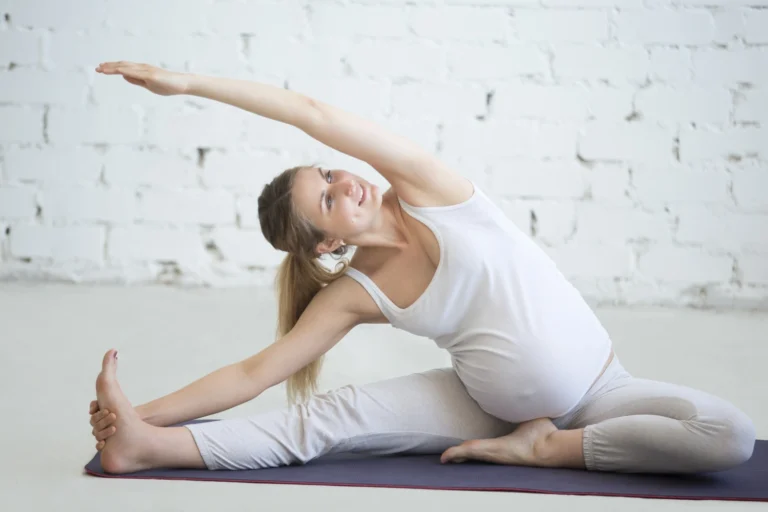
Furthermore, beginner prenatal yoga is fantastic for maintaining pelvic mobility and learning deep, diaphragmatic breathing techniques March of Dimes.
Second Trimester (Weeks 13–27)
Often called the “golden trimester,” weeks 13 through 27 usually bring a massive surge in energy as morning sickness fades. However, your belly is actively popping, profoundly shifting your center of gravity forward, and straining your lower back.
Your focus must shift entirely toward building strength and cardiovascular endurance to support this rapidly increasing frontal weight. Exercise in the 2nd trimester should prioritize functional movement patterns.
Strict resistance training using moderate dumbbells is highly effective for strengthening the upper back and glutes. Swimming is an absolute lifesaver during this phase; the buoyancy of the water completely removes the heavy physical strain from your aching joints American Pregnancy Association.
Low-impact cardio machines, like the elliptical or stationary bike, are also incredibly safe and effective. Remember, the benefits of exercise compound when done consistently and safely.
Third Trimester (Weeks 28–40)
In the final stretch, the physical burden becomes incredibly heavy. Your lungs are severely compressed by the growing uterus, causing rapid shortness of breath, and your pelvic joints are heavily relaxed, leading to common waddling and pain.
Your absolute primary focus must shift to hip mobility, severe pain management, and direct physical preparation for labor. Exercises for 30 weeks pregnancy and beyond should never leave you exhausted or breathless.
Gentle, daily walking remains highly beneficial for encouraging the baby to drop into the pelvis. Dedicated pelvic floor work is strictly necessary to prepare those tissues for severe stretching. Try these fitness kegel exercises to strengthen your pelvic floor safely.
Deep stretching on a supportive birthing ball is often the only way mothers find relief from intense lower back pressure. Explore fitness ball workout techniques designed for prenatal comfort.
Best Pregnancy Exercises by Trimester
Understanding the best pregnancy exercises by trimester requires listening deeply to your changing body. You must constantly tailor your recommendations.
In the beginning, focus heavily on core stability and maintaining your cardiovascular base. In the middle, aggressively target your posterior chain (back, glutes, and hamstrings) to fight the forward pull of your growing belly. At the end, transition entirely to gentle opening movements, deep squatting, and restorative breathing techniques to prepare for delivery PubMed Study.
Safe Pregnancy Exercises at Home
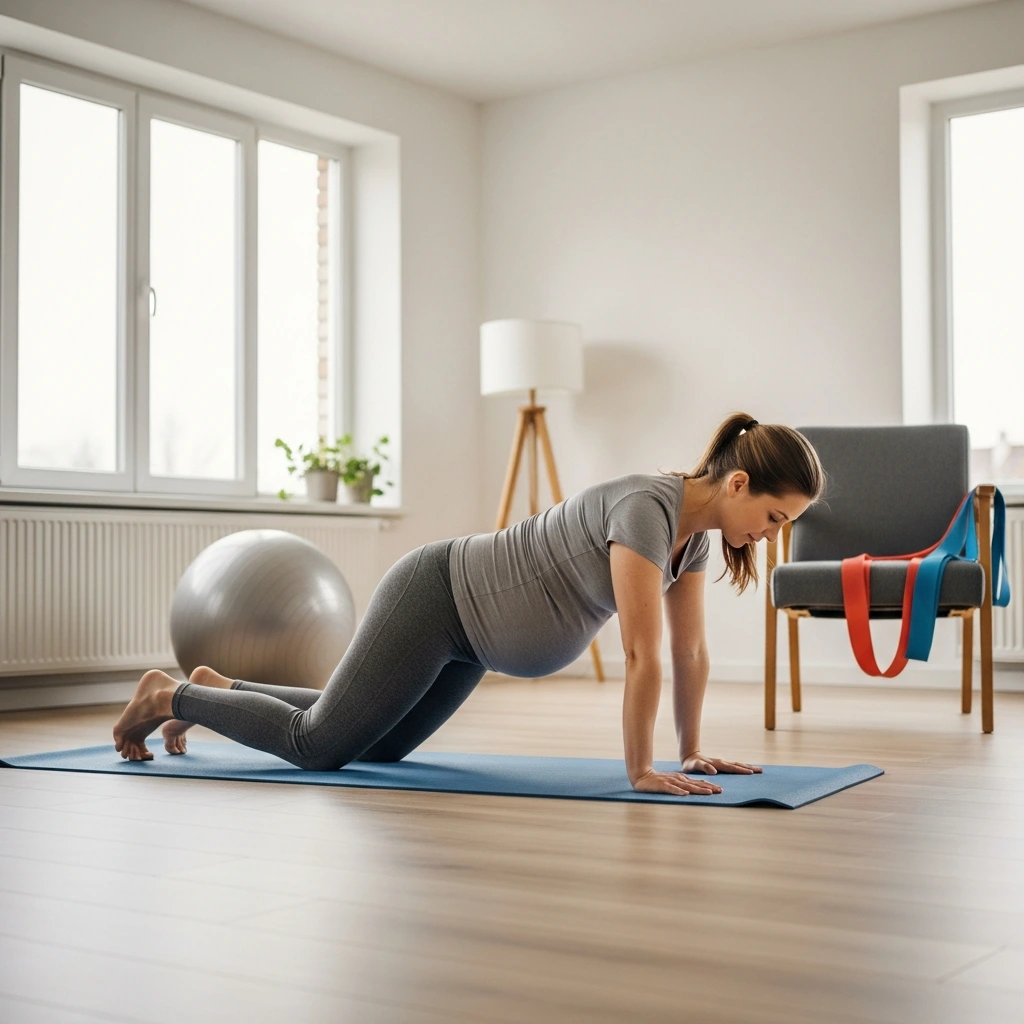
You absolutely do not need an expensive gym membership to maintain your maternal health. Implementing pregnancy-safe workouts at home is highly convenient and allows you to rest immediately when fatigued.
Bodyweight squats are phenomenal; stand slightly wider than hip-width to accommodate your belly and slowly lower your hips to maintain deep glute strength. These bodyweight fitness exercises are perfect for home routines.
Wall push-ups are an incredibly safe alternative to floor push-ups, protecting your vulnerable abdominal wall from severe strain. Finally, modified planks (performed strictly on your knees) safely engage your transverse abdominis without causing dangerous coning or doming.
Pregnancy Safe Full Body Workout
A highly structured, pregnancy-safe full body workout ensures balanced muscular development without overtaxing your nervous system. Here is a medically sound sample routine you can perform safely.
Begin with a strict 5-minute dynamic warm-up, utilizing gentle arm circles and slow bodyweight lunges. Move into the strength phase: perform 3 sets of 12 seated dumbbell shoulder presses, followed by 3 sets of 15 resistance band rows to pull your shoulders back.
Follow this with a brief, 15-minute low-impact cardio block, such as briskly walking on a slight incline. Finally, conclude with a mandatory 5-minute cool-down, focusing heavily on deep diaphragmatic breathing and gentle calf stretches to prevent nighttime leg cramps.
Pregnancy Gym Workout Plan
If you prefer a commercial facility, a pregnancy gym workout plan provides excellent tools, provided you use them safely. The primary rule is absolute stability.
Opt heavily for seated, safe machines over heavy, free-standing barbells. Seated cable rows and the leg press machine (set to a moderate depth) are excellent, highly supportive options.
Always avoid heavy lifting that requires you to aggressively hold your breath (the Valsalva maneuver), as this severely spikes your internal blood pressure and restricts oxygen to the placenta ACOG Safety Guidelines.
Can I Lift 20 Pounds While Pregnant?
Lifting moderate weights, such as 20 pounds, during pregnancy is generally highly safe if you were consistently active before conception and utilize strict, proper form. However, heavy or awkward lifting should be thoroughly discussed with your healthcare provider, especially if you have any history of severe pelvic pain or pregnancy complications.
Exercises for Labor and Delivery
Labor is a grueling physical marathon, and you must train for it accordingly. Specific exercises for labor and delivery focus heavily on opening the pelvic outlet and building severe muscular endurance in the legs.
Deep, assisted squats (holding onto a sturdy doorframe or partner) help actively widen the pelvic brim to encourage downward fetal descent. Pelvic tilts, performed on your hands and knees, drastically relieve lower back labor pain and encourage the baby into an optimal anterior position Cochrane Review.
Continuous, rhythmic breathing exercises train your nervous system to remain calm during intense, painful contractions.
Prenatal Exercises for Core and Pelvic Floor
Your core heavily dictates your pregnancy comfort. However, traditional prenatal exercises like sit-ups or crunches must be strictly abandoned, as they severely exacerbate diastasis recti (abdominal separation).
Instead, focus entirely on deep core stabilization. Kegels are vital; practice consciously contracting and, equally importantly, fully relaxing your pelvic floor muscles.
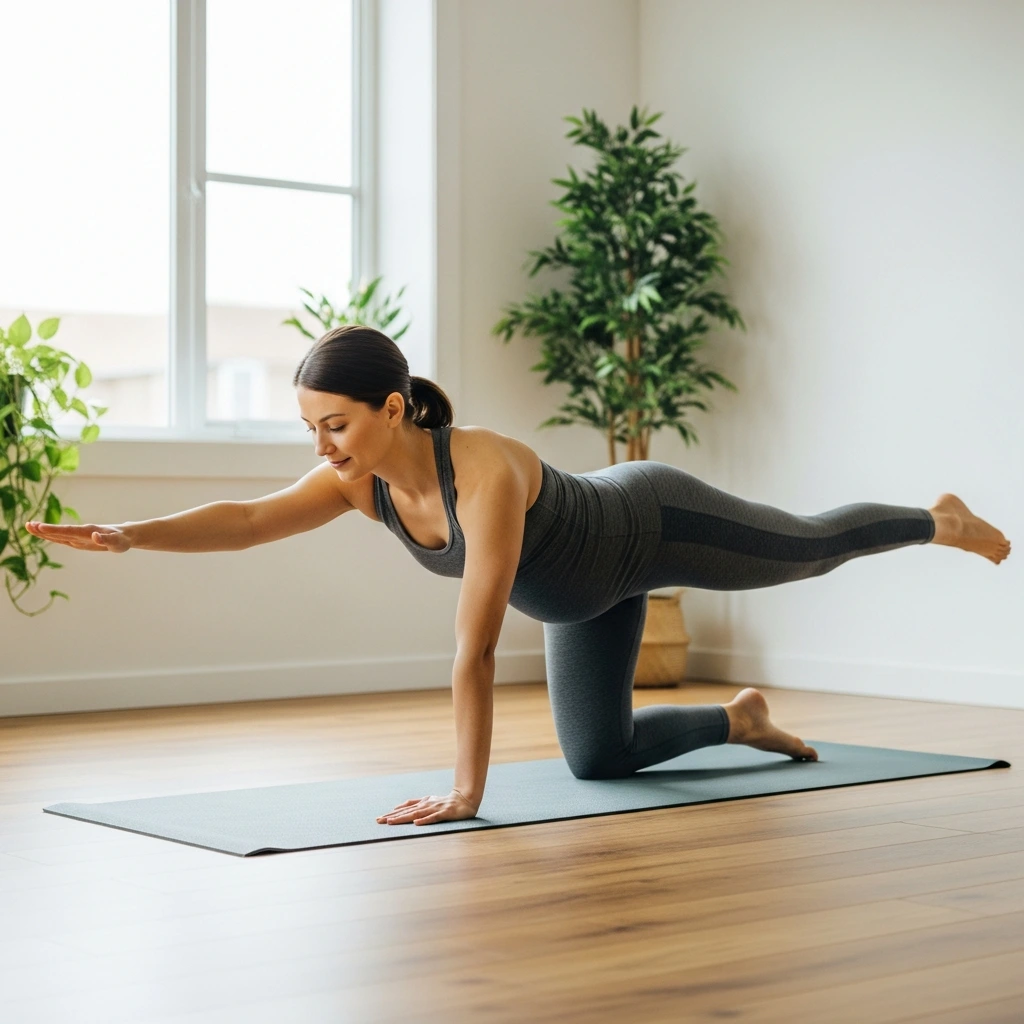
The quadruped bird-dog exercise (extending opposite arm and leg while on all fours) safely builds immense core stability without placing dangerous outward pressure on your healing abdominal wall.
Exercises to Prepare for Pregnancy
If you are currently in the planning stages, engaging in exercises to prepare for pregnancy gives you a massive biological advantage. Building a solid physical foundation before conception makes the entire nine months significantly easier.
Aggressively prioritize heavy strength training to build a dense muscular armor around your spine and pelvis. Push your cardiovascular fitness to improve your baseline cellular oxygen capacity.
Finally, prioritize daily hip and ankle flexibility, which will heavily dictate how comfortably you can labor when the time eventually comes.
Best Pregnancy Workout Programs & Apps
Navigating the massive amount of online information is daunting. When searching for the best pregnancy workout programs or the best pregnancy workout app, you must be highly critical of the source.
Always look strictly for programs designed and led by certified prenatal fitness specialists or obstetric physical therapists. A high-quality program will always explicitly separate its workouts by specific trimesters and constantly provide safe, immediate modifications for common issues like severe pelvic girdle pain or round ligament cramping.
Can You Be Pregnant on Lexapro?
Mental health is inseparable from physical health during gestation. Many patients ask, “Can you be pregnant on Lexapro?” or similar SSRI medications while trying to maintain their wellness routines.
Medically, the decision to remain on SSRIs during pregnancy involves a careful risk-benefit analysis conducted strictly between you and your prescribing physician. Severe, untreated maternal depression carries heavy biological risks for the baby.
Never abruptly stop psychiatric medication without direct medical supervision; your doctor will safely guide you on the most appropriate, heavily researched pharmacological path NIH Mental Health.
What Is the 3-3-3 Rule for Exercise?
The 3-3-3 rule typically refers to a highly structured fitness concept: performing exactly 3 distinct exercises, for 3 straight minutes each, across 3 total rounds. This offers a highly simple, manageable workout format that can be easily and safely adapted for gentle prenatal fitness when you are feeling mentally overwhelmed.
Common Mistakes in Pregnancy Workouts
The most dangerous mistake I see clinically is severe physical overexertion. Pregnancy is absolutely not the time to train for a marathon or attempt severe weight-loss routines.
Another massive error is completely ignoring your body’s clear warning signs in the name of “pushing through the pain.” Furthermore, poor hydration directly leads to severe uterine irritability and early, painful Braxton Hicks contractions.
Watch for signs of dehydration to stay safe. You must deeply respect the massive biological undertaking your body is currently executing.
Warning Signs to Stop Exercising
While movement is medicinal, you must immediately halt all physical activity if certain clinical red flags appear.
You must stop exercising and immediately call your doctor if you experience any sudden vaginal bleeding or a gush of amniotic fluid. Furthermore, if you feel severe, sudden dizziness, sharp chest pain, intense calf swelling (a potential blood clot), or regular, painful uterine contractions, you must seek emergency obstetrical evaluation immediately ACOG Warning Signs.
Weekly Pregnancy Fitness Plan
To safely maintain your health, structure is vital. Here is a highly balanced, medically safe weekly schedule for an uncomplicated pregnancy:
- Monday, Wednesday: 30 minutes of low-impact cardiovascular exercise (brisk walking or swimming).
- Tuesday, Thursday: 20 minutes of full-body, moderate-weight strength training.
- Friday: 15 minutes of deep pelvic floor work and core stabilization.
- Saturday: 45 minutes of gentle, restorative prenatal yoga.
- Sunday: Complete physical rest and aggressive hydration.
This balanced approach aligns with broader healthy lifestyle habits for long-term wellness.
Frequently Asked Questions
Is exercise clinically safe to perform in all three trimesters?
Yes, regular exercise is generally highly safe and actively recommended throughout all three trimesters, provided you strictly modify the intensity and specific movements to safely accommodate your changing biomechanics and growing abdomen CDC Guidelines.
What specific types of exercises should be strictly avoided?
You must absolutely avoid all high-impact sports, contact activities (like soccer or basketball), scuba diving, hot yoga, and any heavy exercises that require lying completely flat on your back after the first twelve weeks of gestation Mayo Clinic.
How can I tell if I am pushing myself too hard during a workout?
The “talk test” is your absolute best clinical metric during any prenatal workout. If you are gasping for air and cannot easily hold a normal, continuous conversation, you are overexerting yourself. Immediately lower your physical intensity until your breathing is completely normal.
Can regular exercise actually help make my labor easier?
Yes, regular prenatal exercise directly improves your severe muscular endurance and cardiovascular stamina, which are absolutely vital for enduring the massive physical exertion and prolonged fatigue required during active labor and pushing PubMed Meta-Analysis.
How often should I realistically exercise while pregnant?
Clinical guidelines strongly recommend aiming for at least 150 total minutes of moderate-intensity aerobic activity per week, ideally spread out safely across 3 to 5 separate days, strictly listening to your body’s daily fatigue levels WHO Recommendations.
Conclusion
As an obstetrician, I want to deeply reassure you that your body is remarkably resilient and perfectly designed for this physiological journey. Staying active throughout your pregnancy is not about bouncing back quickly; it is one of the most powerful, medically sound decisions you can make for both your health and your baby’s development.
Please remember that your primary fitness goal during these nine months is never to break personal records or achieve physical perfection. Your sole focus must strictly remain on maintaining your functional strength, managing severe daily discomforts, and physically preparing your pelvis and nervous system for the marathon of labor.
Always listen closely to your body’s vital signals, deeply respect your shifting physical limits, and maintain open, honest communication with your primary OB-GYN. Every single safe, mindful workout you complete is a direct, powerful investment in a healthier pregnancy, a safer delivery, and a much smoother postpartum recovery.
For more holistic wellness strategies, explore these health tips and learn how to stay healthy throughout your journey.
Medical References:
- ACOG. Exercise During Pregnancy. acog.org
- CDC. Physical Activity During Pregnancy. cdc.gov/physicalactivity
- Mayo Clinic. Pregnancy and Exercise. mayoclinic.org
- WHO. Physical Activity Guidelines. who.int/physical-activity
- NIH. Exercise and Gestational Diabetes. nih.gov
- Cleveland Clinic. Exercise Safety in Pregnancy. clevelandclinic.org
- Johns Hopkins. Prenatal Fitness Guidelines. hopkinsmedicine.org
- March of Dimes. Staying Active During Pregnancy. marchofdimes.org
- American Pregnancy Association. Exercise Safety. americanpregnancy.org
- PubMed. Exercise and Labor Outcomes. pubmed.ncbi.nlm.nih.gov
- Cochrane Library. Prenatal Exercise Review. cochranelibrary.com
- NIH. Perinatal Mental Health. nimh.nih.gov
- ACOG. Physical Activity Committee Opinion. acog.org/clinical
- CDC. Prenatal Health Guidelines. cdc.gov/pregnancy
- Mayo Clinic. Prenatal Care. mayoclinic.org/pregnancy
Related Posts


MORE from Author
Read More As a physician specializing in exercise science and public health, I regularly consult patients who feel completely lost in the…
 Just last week, a 34-year-old patient named Clara sat in my clinic, feeling entirely overwhelmed by the modern fitness industry.…
 Hello, I am Dr. Kenji Sato, MD, specializing in sports medicine and performance optimization. In my sports clinic, I constantly…
- In my clinical practice as a physician focused on exercise science, I often tell patients that mastering fitness bench workouts…